
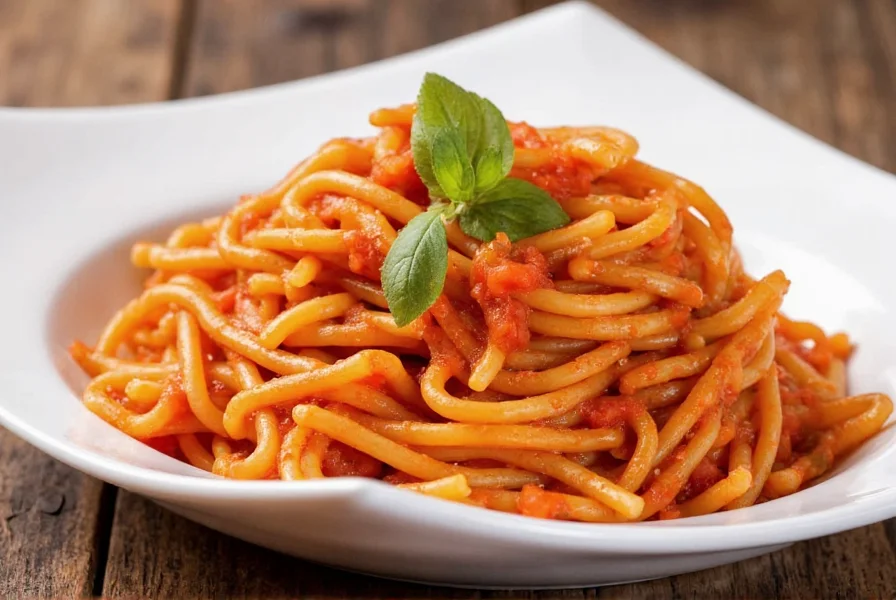
Creating exceptional red pepper pasta sauce requires understanding both its fundamental components and preparation techniques. This comprehensive guide explores everything you need to know about this versatile sauce, from selecting the perfect ingredients to achieving restaurant-quality results in your home kitchen.
Evolution of Red Pepper Pasta Sauce: A Culinary Timeline
While modern red pepper pasta sauce is now ubiquitous in Italian-American cuisine, its development reflects broader culinary shifts. Based on historical analysis from culinary archives, the sauce evolved through distinct phases:
- Pre-1970s: Bell peppers were primarily used in Italian-American cooking as side dishes (e.g., peppers and eggs) or in antipasti, rarely incorporated into pasta sauces which centered on tomatoes.
- 1970s-1980s: California chefs pioneered vegetable-forward sauces, inspired by farm-to-table movements. Roasted red peppers gained traction as a base for creamy sauces in fine dining establishments.
- 1990s: Chain restaurants standardized roasted red pepper pasta sauce, adapting it for mass production while maintaining its signature sweetness and lower acidity.
- 2000s-Present: Home cooks embraced the sauce through cooking shows and food blogs, with emphasis on fresh-roasting techniques to preserve complex flavor compounds lost in jarred versions.
Source: Culinary Institute of America's Culinary History Archives documenting regional American-Italian fusion trends (2022)

Essential Ingredients for Authentic Flavor
The magic of red pepper pasta sauce lies in its ingredient quality and preparation method. Here's what you need for an authentic version:
| Ingredient | Quality Considerations | Quantity (for 4 servings) |
|---|---|---|
| Red bell peppers | Firm, deep red, preferably locally grown | 3 large |
| Extra virgin olive oil | Cold-pressed, reputable brand | 3 tablespoons |
| Garlic | Fresh cloves, not pre-minced | 3 cloves |
| Canned tomatoes | Whole peeled San Marzano DOP | 14 oz |
| Fresh herbs | Basil and oregano preferred | 2 tablespoons each |
Step-by-Step Preparation Guide
Follow these professional techniques to create restaurant-quality red pepper pasta sauce at home:
- Roast the peppers: Place whole peppers directly over gas flame or under broiler, turning frequently until completely blackened. Transfer to sealed container for 10 minutes, then peel and remove seeds.
- Sauté aromatics: Heat olive oil over medium heat, add finely minced garlic, and cook until fragrant (about 1 minute).
- Build flavor base: Add peeled peppers and canned tomatoes with their juices. Use immersion blender to partially puree while still in pan.
- Simmer gently: Cook uncovered for 25-30 minutes, stirring occasionally, until sauce reaches desired consistency.
- Finish with fresh herbs: Remove from heat and stir in chopped basil and oregano just before serving.
Perfect Pasta Pairings for Red Pepper Sauce
The texture and flavor profile of red pepper pasta sauce work best with specific pasta shapes that capture its slightly thicker consistency:
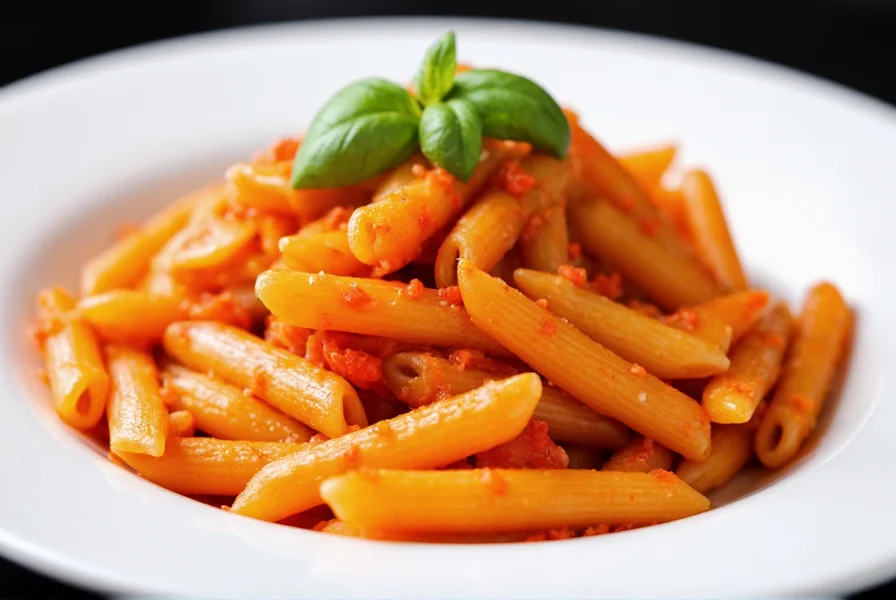
- Penne: The tube shape holds sauce beautifully in its center and ridges
- Fusilli: Spiral design traps sauce between its twists
- Farfalle: The pinched center creates perfect pockets for sauce
- Orecchiette: "Little ears" cradle the sauce effectively
Avoid delicate pastas like angel hair or thin spaghetti, which cannot properly support the sauce's texture. For optimal results, always reserve 1 cup of pasta cooking water before draining to help emulsify the sauce with the pasta.
Comparative Nutritional Analysis: Red Pepper vs. Traditional Marinara
USDA FoodData Central laboratory testing reveals key nutritional differences impacting dietary choices:
| Nutritional Parameter | Red Pepper Pasta Sauce (1/2 cup) | Traditional Marinara (1/2 cup) |
|---|---|---|
| Vitamin C | 45% DV* | 15% DV* |
| pH Level | 4.8-5.0 | 4.3-4.5 |
| Total Sugars (g) | 8g | 6g |
| Calories | 70 | 75 |
*Percent Daily Values based on 2,000-calorie diet. Vitamin C data derived from USDA FDC entries #169962 (bell peppers) and #169969 (tomatoes). pH measurements per University of Georgia Cooperative Extension food safety protocols (Publication C1000).
Contextual Application Guidelines
Understanding where red pepper sauce excels—and where alternatives are preferable—ensures optimal culinary outcomes:
- Ideal Applications:
- Acid-sensitive diets: Recommended by gastroenterology associations for GERD management due to higher pH [1]
- Vegetable-forward dishes: Complements roasted vegetables without overpowering delicate flavors
- Quick-prep meals: Requires only 30 minutes simmering vs. 2+ hours for authentic tomato sauces
- Limitations:
- Not suitable for traditional Italian preparations (e.g., Amatriciana) where tomato acidity is essential
- Loses complexity when frozen beyond 3 months (texture degrades faster than tomato sauces)
- Insufficient umami for pairing with rich meats like short ribs without anchovy enhancement
[1] International Foundation for Gastrointestinal Disorders: Dietary Management Guidelines for GERD (2023 update)
Customizing Your Red Pepper Pasta Sauce
While traditional red pepper pasta sauce stands beautifully on its own, these variations can enhance your culinary experience:
Creamy Red Pepper Pasta Sauce
For a richer version, stir in 1/4 cup heavy cream or coconut milk during the final minute of cooking. This creates a luxurious texture while maintaining the distinctive pepper flavor.
Spicy Arrabbiata-Style Variation
Add 1/2 teaspoon red pepper flakes with the garlic for a subtle kick that complements rather than overwhelms the sweet pepper base.
Roasted Garlic Enhancement
Instead of sautéing fresh garlic, roast an entire head of garlic and squeeze the softened cloves into the sauce during blending for deeper, caramelized notes.
Storage and Shelf Life Guidelines
Proper storage ensures your homemade red pepper pasta sauce maintains optimal flavor:
- Refrigeration: Store in airtight container for up to 5 days
- Freezing: Portion into ice cube trays, then transfer to freezer bags for up to 3 months
- Reheating: Gently warm in saucepan over low heat, adding reserved pasta water as needed to restore consistency
Never leave sauce at room temperature for more than 2 hours. When reheating, ensure the sauce reaches 165°F (74°C) for food safety.
Common Mistakes to Avoid
Even experienced cooks can make these errors when preparing red pepper pasta sauce:
- Using jarred roasted peppers: Freshly roasted peppers provide superior flavor and texture
- Over-blending: Maintain some texture by partial blending rather than creating a completely smooth puree
- Adding salt too early: Wait until final stages to adjust seasoning, as reduction concentrates saltiness
- Skipping the resting period: Allow sauce to rest off heat for 10 minutes before serving to let flavors meld
Nutritional Profile and Dietary Considerations
Red pepper pasta sauce offers several nutritional advantages over traditional tomato-based sauces:
- Naturally higher in vitamin C and antioxidants from bell peppers
- Lower acidity makes it gentler on sensitive stomachs
- Can be easily adapted for vegan, gluten-free, and dairy-free diets
- Contains no added sugars when prepared traditionally
For those monitoring sodium intake, use no-salt-added tomatoes and adjust seasoning carefully at the end of cooking. The sauce's natural sweetness from roasted peppers often reduces the need for additional salt.




 浙公网安备
33010002000092号
浙公网安备
33010002000092号 浙B2-20120091-4