
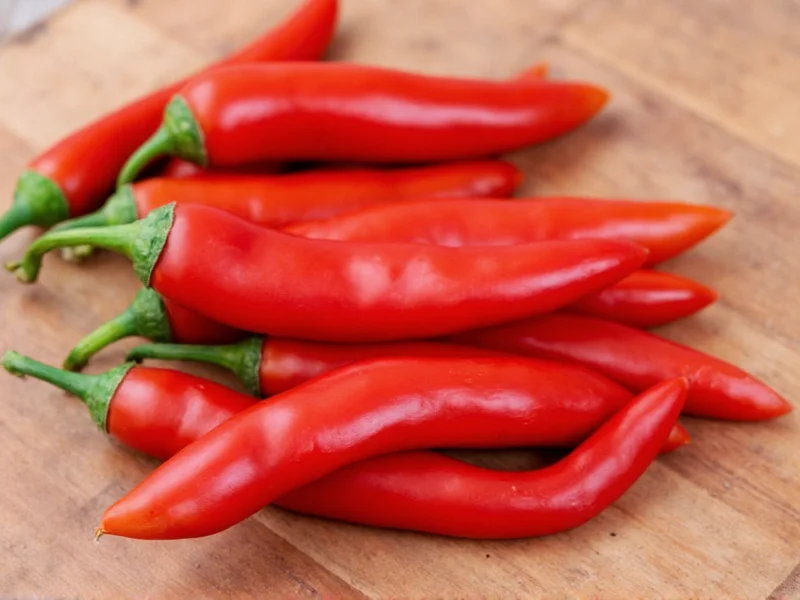
When your recipe calls for red jalapenos but you're staring at an empty produce section, knowing the right substitute can save your dish. Red jalapenos are simply fully ripened jalapenos that have turned from green to red, offering a slightly sweeter flavor profile with comparable heat (2,500-8,000 Scoville units). Understanding the nuances between potential substitutes ensures your culinary creation maintains its intended flavor balance.
Why Red Jalapenos Matter in Cooking
Red jalapenos bring three key elements to recipes: vibrant color, distinctive heat level, and a unique flavor profile that's slightly sweeter than their green counterparts. As jalapenos ripen from green to red, their capsaicin concentration (the compound responsible for heat) stabilizes while sugar content increases. This maturation process creates a more complex flavor that works particularly well in salsas, sauces, and roasted dishes where visual appeal matters.
Top Red Jalapeno Substitutes Compared
Choosing the right substitute depends on which characteristic matters most for your specific recipe—heat level, flavor profile, or visual color. Here's how the top alternatives measure up:
| Substitute | Heat Level (Scoville) | Flavor Profile | Substitution Ratio | Best For |
|---|---|---|---|---|
| Green jalapenos | 2,500-8,000 | Grassy, vegetal, slightly sharper | 1:1 | Most recipes where color isn't critical |
| Fresno peppers | 2,500-10,000 | Almost identical to red jalapeno | 1:1 | Salsas, sauces, garnishes |
| Serrano peppers | 10,000-23,000 | Brighter, fruitier, hotter | 1 red jalapeno = ½-⅔ serrano | Hotter salsas, spicy sauces |
| Chipotle in adobo | 2,500-8,000 | Smoky, earthy, complex | 1 red jalapeno = 1-2 chipotles | Moles, stews, smoky sauces |
| Cayenne pepper | 30,000-50,000 | Sharp, clean heat | 1 red jalapeno = ¼-½ tsp cayenne | Dry rubs, spice blends |
| Sweet paprika | 0-500 | Sweet, earthy, no heat | 1 red jalapeno = 1-2 tsp paprika | Color without heat |
Recipe-Specific Substitution Guide
Not all substitutes work equally well across different cooking applications. Consider these recommendations when selecting your red jalapeno alternative:
For Fresh Salsas and Raw Applications
Fresno peppers make the ideal red jalapeno substitute in fresh preparations. Their similar size, texture, and heat profile allow for seamless 1:1 replacement. If unavailable, use green jalapenos but add a pinch of sugar to mimic the sweetness of ripe red jalapenos. For milder salsas, consider Anaheim peppers (use 1½ to 2 peppers per red jalapeno) which provide similar texture with less heat.
For Cooked Sauces and Stews
Chipotle peppers in adobo sauce work exceptionally well as a red jalapeno substitute in cooked dishes requiring depth and smokiness. Start with one chipotle per red jalapeno called for, then adjust to taste. The adobo sauce adds complementary flavors that enhance many Mexican and Southwestern dishes. For non-smoky applications, serrano peppers provide similar heat intensity but require careful measurement—begin with half the amount and adjust during cooking.
When Color Matters Most
If your recipe depends on vibrant red color (like stuffed peppers or decorative garnishes), combine approaches for best results. Use green jalapenos for heat and flavor, then add a teaspoon of sweet paprika or roasted red bell pepper puree to achieve the visual appeal. For pickling applications, consider using red bell peppers with a pinch of cayenne to maintain some heat while preserving the red color.
Pro Tips for Successful Substitutions
Mastering pepper substitutions requires attention to detail. Always remove seeds and membranes from substitute peppers to control heat levels, as these contain most of the capsaicin. When substituting hotter peppers like serranos or cayenne, add incrementally and taste as you go—heat compounds intensify during cooking but mellow slightly when combined with dairy or acid.
For baking applications where jalapenos provide subtle heat (like jalapeno cornbread), consider using a combination of green jalapeno and a small amount of smoked paprika to maintain both heat and visual appeal. Remember that dried pepper alternatives like crushed red pepper flakes have concentrated heat—use only one-third the amount you would fresh peppers.
Common Substitution Mistakes to Avoid
Cooking enthusiasts often make these errors when substituting for red jalapenos: using habaneros (too hot), substituting bell peppers without adding heat elsewhere, or ignoring the moisture content differences between fresh and dried alternatives. Never substitute ghost peppers or Carolina reapers for red jalapenos unless you're specifically creating an extremely spicy dish—the heat difference is too extreme for most recipes.




 浙公网安备
33010002000092号
浙公网安备
33010002000092号 浙B2-20120091-4