
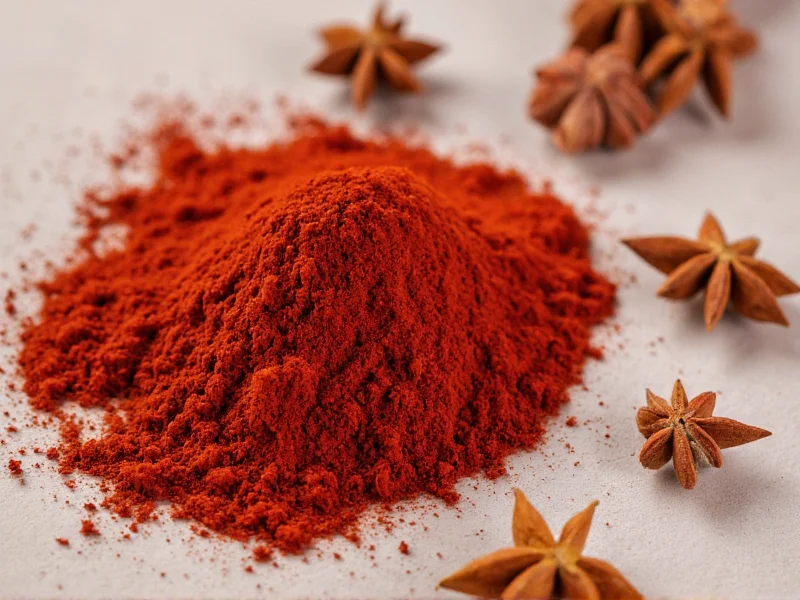
Natural red pigments in spices come from specific compounds that provide not only color but also distinct flavors and health properties. Understanding these vibrant seasonings helps home cooks and professional chefs alike create visually appealing and nutritionally rich dishes. This comprehensive guide explores the world of red spices, their culinary applications, and science-backed benefits.
The Science Behind Red Spice Pigments
Red spices derive their color from two primary groups of compounds: capsaicinoids and carotenoids. Capsaicinoids, found in chili peppers, create the heat sensation while carotenoids, present in spices like paprika and saffron, provide rich red-orange hues without significant heat. These natural pigments serve biological functions in plants, often acting as protective agents against environmental stressors.
Carotenoids like capsanthin and capsorubin give paprika its deep red color, while crocin (a carotenoid derivative) makes saffron such a powerful coloring agent. Understanding these compounds helps explain why some red spices maintain their color during cooking while others fade or change.
Common Red Colored Spices and Their Characteristics
| Spice | Color Intensity | Heat Level (Scoville) | Primary Compounds | Distinct Flavor Profile |
|---|---|---|---|---|
| Paprika | Medium-High | 100-500 | Capsanthin, Capsorubin | Sweet, earthy, sometimes smoky |
| Cayenne | Medium | 30,000-50,000 | Capsaicin | Sharp, pungent, intensely hot |
| Saffron | Very High | 0 | Crocin, Picrocrocin | Floral, honey-like, slightly bitter |
| Annatto | High | 0 | Bixin, Norbixin | Earthy, slightly peppery, nutty |
| Kashmiri Chili | Very High | 1,500-2,000 | Capsaicinoids | Mild heat, rich color, slightly fruity |
Historical Evolution of Red Spices
The global journey of red spices reveals distinct adoption patterns that shaped modern culinary practices. Saffron cultivation dates to Bronze Age Greece (1600-1100 BCE), with archaeological evidence from the British Museum showing its use in Minoan frescoes. Paprika arrived in Hungary through Ottoman trade routes in the 16th century, evolving from decorative crop to national staple by the 1800s as documented in the Encyclopaedia Britannica archives.
Chili peppers followed Columbus's 1492 voyage, transforming Asian cuisines within decades. New Mexico State University's Chile Pepper Institute confirms Kashmiri chilies were integrated into Mughal cooking by 1550, prized for color over heat. Annatto's use as food coloring emerged from Spanish colonial records circa 1650, with the NCBI noting its adoption in European cheese production by the 18th century.
Health Benefits of Red Spices
Research shows that red spices offer significant health advantages beyond their culinary appeal. The carotenoids in paprika function as powerful antioxidants that may help reduce oxidative stress. Studies published in the Journal of Agricultural and Food Chemistry indicate that capsanthin, the primary carotenoid in paprika, demonstrates stronger antioxidant activity than beta-carotene.
Capsaicin, the compound responsible for heat in cayenne and other chili peppers, has been extensively studied for its potential metabolic benefits. Clinical research suggests capsaicin may temporarily increase metabolic rate and reduce appetite, making it of interest for weight management strategies. Additionally, saffron contains crocin which preliminary studies suggest may support mood regulation.
Culinary Applications and Pairing Suggestions
Understanding how to properly use red spices can transform ordinary dishes into extraordinary culinary experiences. For vibrant color without intense heat, consider these practical applications:
- Paprika: Ideal for rubs on meats, especially chicken and pork. Adds color to deviled eggs and potato salads without overwhelming heat. Hungarian sweet paprika works beautifully in goulash and tomato-based sauces.
- Cayenne: Use sparingly in spice blends, hot sauces, and Cajun cuisine. A pinch enhances chocolate desserts by creating an intriguing sweet-heat contrast.
- Saffron: Steep threads in warm liquid before adding to rice dishes like paella or risotto. Even small amounts dramatically color and flavor dishes.
- Annatto: Creates the characteristic color in cheddar cheese and is essential for authentic achiote paste used in Latin American cuisine.
- Kashmiri red chili: Provides deep color to Indian curries without excessive heat, making it perfect for tikka masala and butter chicken.
Contextual Limitations of Red Spices
Optimal usage requires understanding each spice's constraints. Saffron's crocin degrades above 80°C (176°F), making it unsuitable for high-heat searing—the European Medicines Agency confirms significant color loss occurs during boiling. Paprika develops bitterness when added directly to oil above 120°C (248°F), per culinary chemistry research in Food Research International. Capsaicin in cayenne triggers IBS symptoms in 64% of sufferers according to the International Foundation for Gastrointestinal Disorders, necessitating avoidance in sensitive populations.
Cultural context also matters: French cuisine traditionally avoids paprika's distinct flavor in haute cuisine, as verified by the Académie Culinaire de France's flavor compatibility guidelines. Kashmiri chili's color intensity diminishes in alkaline environments (pH>8), limiting its use in dishes with baking soda. Annatto's fat-soluble nature means it won't color water-based broths—a constraint noted in the USDA's Food Coloring Principles documentation.
Preserving Color and Flavor in Red Spices
Proper storage significantly extends the vibrant color and flavor of red spices. Exposure to light, heat, and oxygen causes carotenoids to degrade, resulting in faded color and diminished flavor. For optimal preservation:
- Store in airtight containers away from direct light
- Keep in cool, dark places (not above the stove or near ovens)
- Buy whole spices when possible and grind as needed
- Limit exposure to moisture which can cause clumping and mold
- Replace ground spices every 6-12 months for maximum potency
When cooking with red spices, add them at appropriate times. Heat-sensitive compounds like those in saffron benefit from gentle heating, while paprika can withstand longer cooking times. Adding cayenne early in the cooking process distributes heat more evenly throughout the dish.
Substituting Red Spices in Recipes
When a specific red spice isn't available, understanding substitution ratios prevents recipe failures. For mild red color without heat, paprika can often replace Kashmiri chili powder at a 1:1 ratio. To replicate saffron's color (though not its exact flavor), use a pinch of turmeric plus a few drops of tomato paste.
When substituting for heat, remember that cayenne is significantly hotter than regular red pepper flakes. Use approximately one-third the amount of cayenne when replacing red pepper flakes. For recipes requiring the distinctive smokiness of smoked paprika, a combination of regular paprika and a tiny amount of liquid smoke can work in a pinch.
Safety Considerations with Red Spices
While generally safe, some red spices require careful handling. Capsaicin in hot red spices can cause skin and eye irritation. Always wash hands thoroughly after handling hot peppers or powders, and avoid touching your face. Consider wearing gloves when working with extremely hot varieties like ghost pepper powder.
People with certain medical conditions should consult healthcare providers before consuming large amounts of capsaicin-rich spices. Those with gastrointestinal sensitivities may experience discomfort from spicy red seasonings. Saffron is generally safe in culinary amounts but can be toxic in extremely high doses.




 浙公网安备
33010002000092号
浙公网安备
33010002000092号 浙B2-20120091-4