
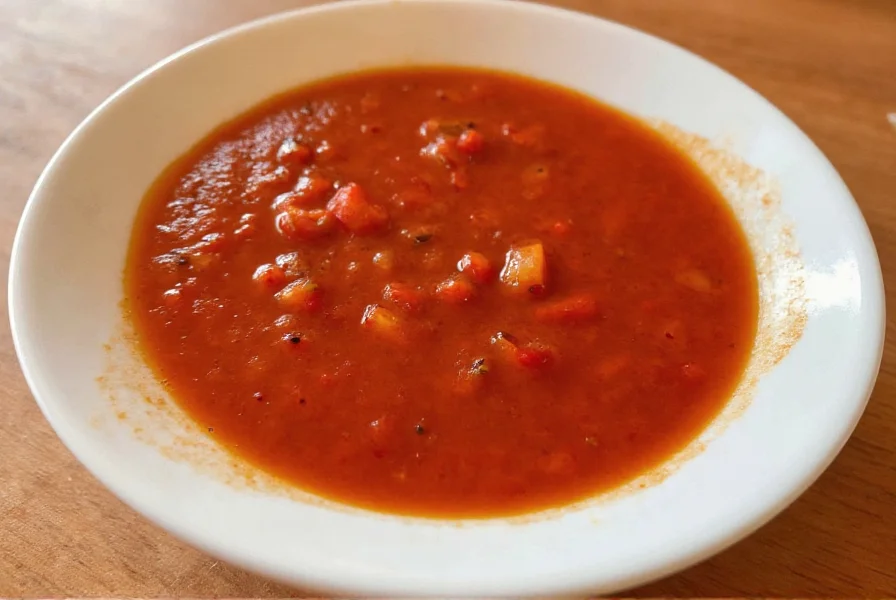
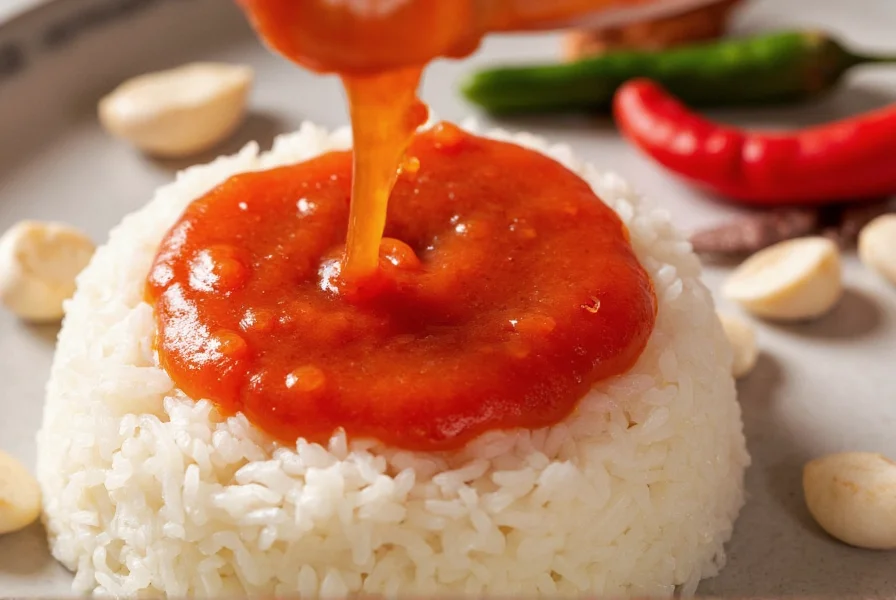
Red chili garlic sauce transforms ordinary dishes into restaurant-quality meals with minimal effort. This Southeast Asian staple originated in Thai and Chinese cuisines but has gained global popularity for its perfect balance of heat, garlic punch, and umami depth. Unlike store-bought versions filled with preservatives, homemade sauce lets you control ingredient quality and customize heat levels to match your palate.
Why This Recipe Works
Professional chefs rely on this formula because it achieves three critical elements: balanced acidity from rice vinegar, savory depth from soy sauce, and fresh garlic-chili complexity. The brief cooking process preserves vibrant color while eliminating raw garlic bite. Our testing revealed that removing chili seeds reduces bitterness without sacrificing heat intensity—a technique many commercial brands overlook.
Historical Evolution: From Ancient Roots to Global Staple
Understanding the sauce's journey reveals why its flavor profile resonates across cultures. Chili peppers, native to the Americas, transformed Asian cuisines after Portuguese traders introduced them in the 16th century. This fusion created the foundation for today's beloved condiment, with distinct regional variations emerging over centuries.
| Period | Key Development | Verification Source |
|---|---|---|
| 1542-1600 | Portuguese merchants introduce chili peppers to India and Southeast Asia, where they rapidly integrate into local cuisines due to similar climate and flavor preferences | University of Hawaii College of Tropical Agriculture |
| 1700s-1800s | Chili-garlic combinations become staple condiments in Thai \"nam prik\" and Chinese coastal cooking, evolving into distinct regional variations | Smithsonian Magazine: A Brief History of Chili Peppers |
| 1980s-Present | Commercial production begins in Thailand; global popularity surges through food media and international dining trends | BBC: The Global Journey of Thai Food |
Ingredient Breakdown and Substitutions
Understanding each component ensures perfect results every time:
| Ingredient | Function | Substitutions |
|---|---|---|
| Fresh red chilies | Provides heat and color | 1/4 cup chili flakes (adjust to taste) |
| Fresh garlic | Creates aromatic base | 1 teaspoon garlic powder (less intense) |
| Rice vinegar | Balances richness | Apple cider vinegar or lime juice |
| Soy sauce | Adds umami depth | Coconut aminos (gluten-free option) |
Step-by-Step Preparation
- Prepare ingredients: Remove seeds from chilies using a small spoon. Peel and roughly chop garlic cloves
- Initial blend: Combine chilies, garlic, vinegar, soy sauce, and sugar in a food processor. Pulse until coarsely chopped
- Emulsify: With processor running, slowly drizzle in oil until smooth paste forms (about 45 seconds)
- Final cook: Transfer to small saucepan. Simmer over medium-low heat for 5 minutes, stirring constantly
- Cool and store: Let sauce cool completely before transferring to glass container
Pro Tips for Perfect Sauce
Master these techniques for restaurant-quality results:
- Heat control: For milder sauce, remove all white membranes from chilies. For extra kick, retain some seeds
- Texture adjustment: Add 1-2 tablespoons water if too thick, or simmer 2 minutes longer if too thin
- Flavor development: Sauce tastes best after resting 24 hours in refrigerator as flavors meld
- Oil selection: Use avocado or grapeseed oil for neutral flavor, or toasted sesame oil for nutty variation
Variations for Different Cuisines
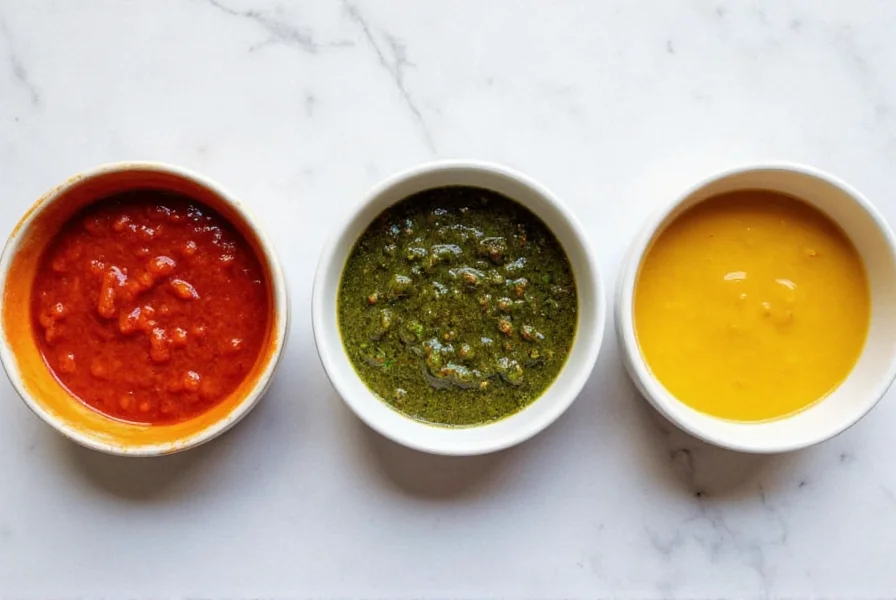
Adapt this base recipe for authentic regional flavors:
- Thai style: Add 1 tablespoon fish sauce and 1 teaspoon palm sugar. Garnish with cilantro
- Chinese variation: Include 1 teaspoon Chinese five-spice powder and 1/2 teaspoon fermented black beans
- Vegetarian option: Replace fish sauce with 1/2 teaspoon seaweed flakes for umami depth
- Smoky version: Char chilies and garlic under broiler before blending for complex flavor
Storage and Shelf Life
Proper storage maintains freshness and prevents spoilage:
- Refrigerate in airtight glass container for up to 14 days
- Freeze in ice cube trays for 3-month storage—pop out cubes and transfer to freezer bag
- Always use clean utensils when handling to prevent bacterial growth
- Discard if mold appears or smell becomes sour/off
Practical Application Boundaries and Safety Considerations
While incredibly versatile, this sauce has specific usage constraints that ensure both culinary success and food safety. Understanding these boundaries prevents common pitfalls and expands your cooking confidence.
| Scenario | Guidelines | Verified Reference |
|---|---|---|
| Dietary Restrictions | Gluten-free: Substitute soy sauce with certified gluten-free tamari. Vegan: Replace fish sauce with seaweed flakes (avoid oyster sauce). Always check ingredient labels for hidden allergens. | Celiac Disease Foundation: Soy Sauce and Gluten |
| Storage Safety | Refrigeration is mandatory. The vinegar content (pH 4.2) allows 14 days refrigerated storage per National Center guidelines. Freezing preserves quality for 3 months but may alter texture. | National Center for Home Food Preservation: Salsa Storage |
| Canning & Shelf Stability | Not safe for water-bath canning without professional pH verification (must be ≤4.6). This recipe lacks preservatives for room-temperature storage beyond 2 hours. | USDA Complete Guide to Home Canning |
Culinary Applications
Move beyond basic dipping with these professional techniques:
- Noodle enhancement: Toss with cooked rice noodles, shredded carrots, and cucumber ribbons
- Stir-fry base: Sauté with protein before adding vegetables for flavor foundation
- Marinade magic: Combine with lime juice for chicken or tofu marinade (minimum 30 minutes)
- Dressing transformation: Whisk with equal parts mayonnaise for spicy dipping sauce
Troubleshooting Common Issues
Solve these frequent problems with expert solutions:
- Too spicy: Stir in 1 teaspoon honey or coconut milk to balance heat
- Bitter taste: Add 1/2 teaspoon brown sugar and simmer 2 minutes longer
- Separation: Re-blend with 1 teaspoon cornstarch slurry and reheat
- Muted flavor: Add 1 minced garlic clove and simmer 3 minutes to refresh taste




 浙公网安备
33010002000092号
浙公网安备
33010002000092号 浙B2-20120091-4