
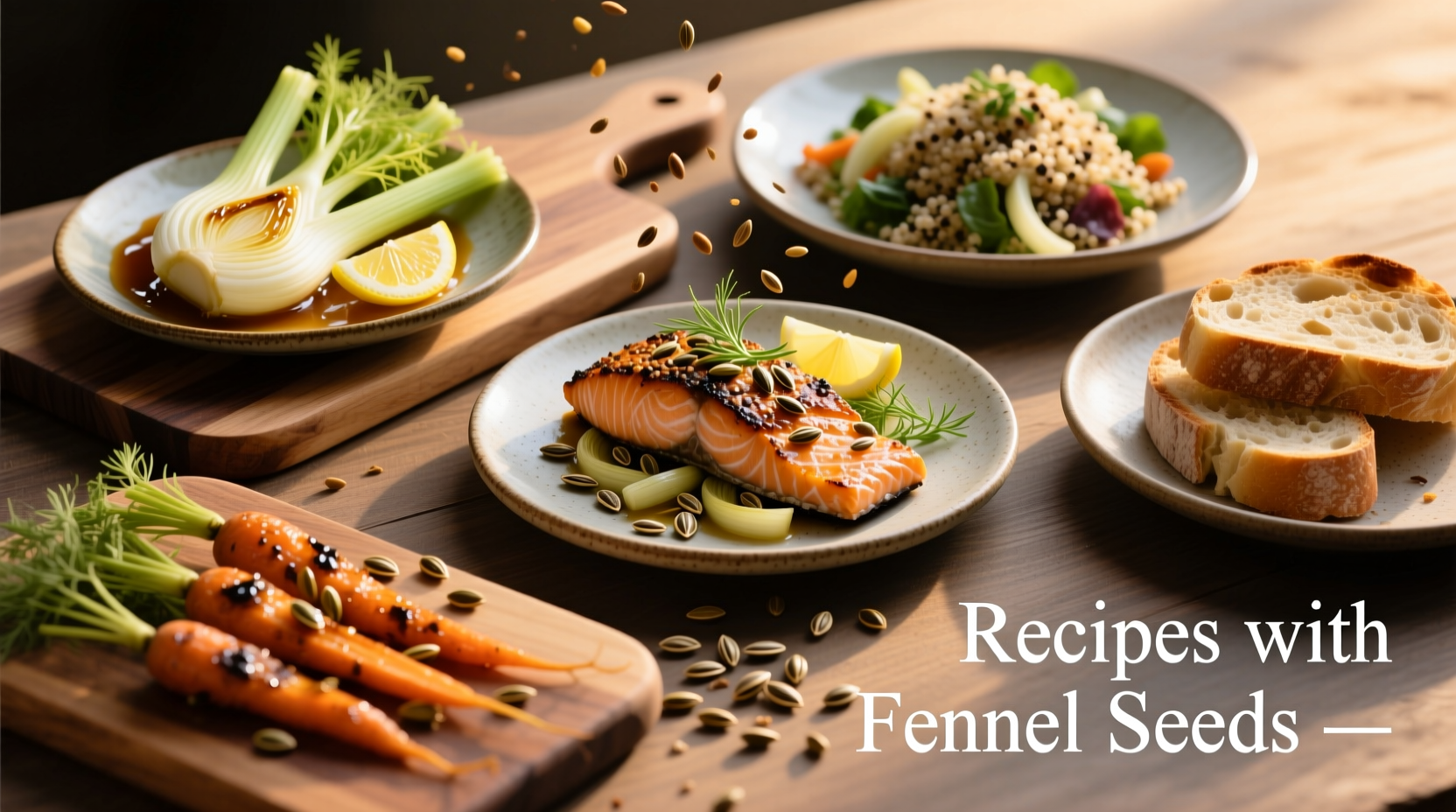
Unlock the full potential of fennel seeds with these practical recipes and techniques perfected by professional chefs. Fennel seeds (Foeniculum vulgare) deliver a distinctive sweet-anise flavor that enhances everything from Mediterranean roasts to Indian curries. Unlike fresh fennel bulb, these tiny seeds pack concentrated flavor that lasts for months when stored properly. This guide provides seven tested recipes plus expert techniques for toasting, grinding, and balancing fennel seed flavor in your cooking—no more wasted spices or overpowering dishes.
Why Fennel Seeds Deserve a Spot in Your Pantry
Fennel seeds have been used in culinary and medicinal applications since ancient Roman times. According to USDA nutritional data, just one teaspoon (2.1g) provides 8 calories, 0.4g fiber, and trace amounts of iron and calcium. But their real value lies in flavor chemistry—fennel seeds contain anethole, the same compound found in anise and star anise, which creates that distinctive sweet-licorice profile.
| Spice | Flavor Profile | Best Culinary Uses | Substitution Ratio |
|---|---|---|---|
| Fennel Seeds | Sweet-anise with citrus notes | Italian sausages, Indian curries, breads | 1:1 for recipes requiring earthy-sweet notes |
| Anise Seeds | Stronger licorice flavor | Baked goods, liqueurs | Use ¾ amount of fennel seeds |
| Dill Seeds | Grassy, citrusy, less sweet | Pickling, seafood dishes | Not ideal substitute |
Mastering Fennel Seed Techniques
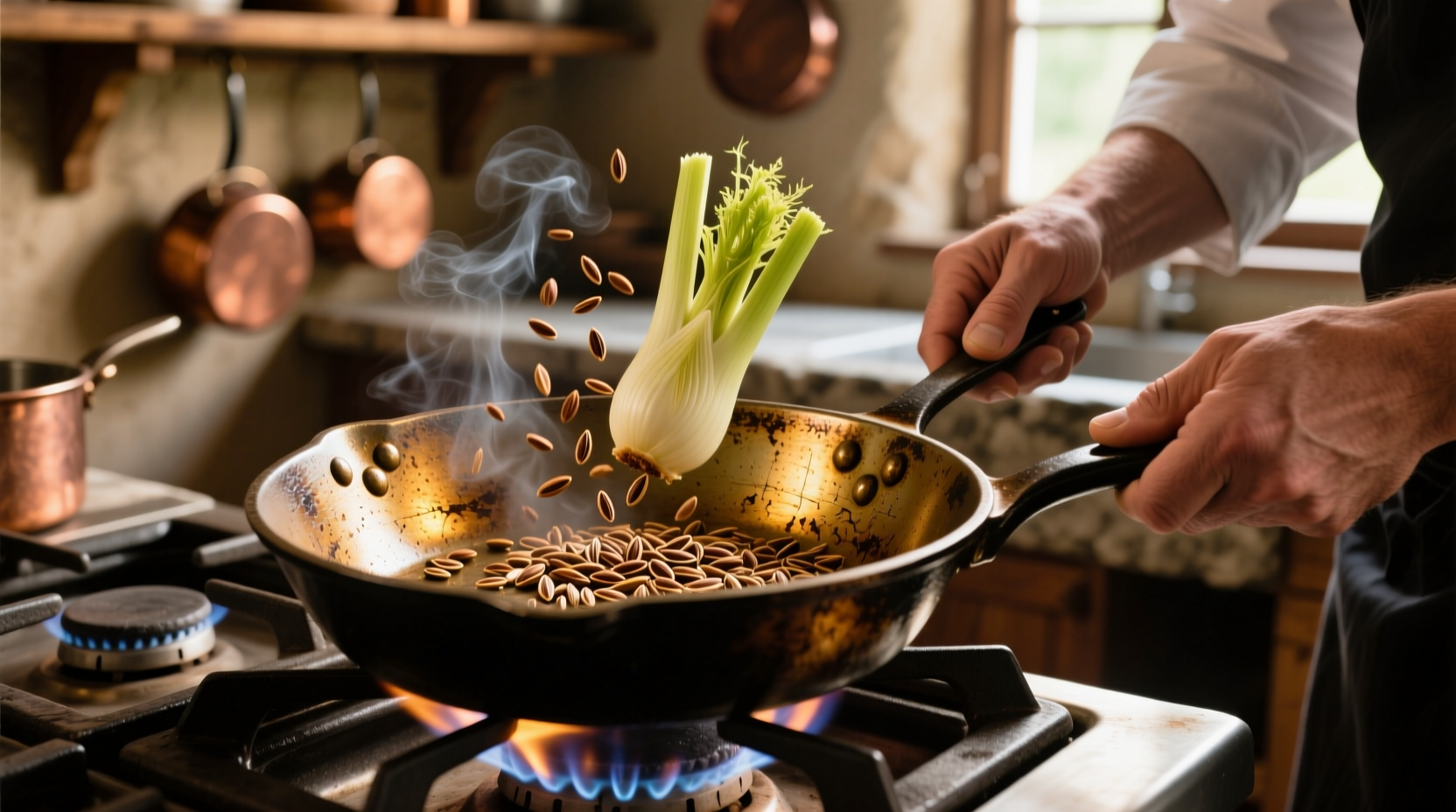
Professional chefs know that proper handling makes all the difference with fennel seeds. Always store them in an airtight container away from light—they'll stay fresh for 6-12 months. For maximum flavor extraction:
- Dry toast in a skillet over medium heat for 1-2 minutes until fragrant
- Grind just before use—a mortar and pestle preserves more volatile oils than electric grinders
- Add early in cooking for infused flavor, late for brighter notes
7 Essential Fennel Seed Recipes
Mediterranean Roast Chicken with Lemon-Fennel Rub
This simple yet impressive dish showcases fennel seeds' ability to complement poultry. Combine 2 tbsp crushed fennel seeds with lemon zest, garlic, olive oil, salt, and pepper. Rub under chicken skin before roasting at 400°F for 45-55 minutes. The fennel seeds create a flavorful crust while infusing the meat with subtle sweetness that balances the lemon.
Traditional Italian Sausage and Peppers
Fennel seeds are essential in authentic Italian sausage recipes. For homemade version, mix 1 lb ground pork with 1½ tsp fennel seeds (lightly crushed), 1 tsp red pepper flakes, 1 tsp garlic powder, salt, and black pepper. Form into patties or stuff into casings. Sauté with bell peppers and onions for the classic preparation that's been perfected over generations in Italian-American kitchens.
Indian-Spiced Red Lentil Dal
This vegetarian staple demonstrates fennel seeds' versatility in global cuisines. Heat 1 tbsp oil, add 1 tsp fennel seeds until they crackle, then add 1 chopped onion, 2 minced garlic cloves, and 1 tbsp grated ginger. Stir in 1 cup red lentils, 3 cups vegetable broth, 1 can tomatoes, and spices. Simmer 25 minutes for a comforting dish where fennel seeds provide the foundational flavor layer.
Fennel Seed Focaccia Bread
Elevate basic focaccia with this aromatic variation. After the first rise, dimple dough and sprinkle with flaky salt, olive oil, and 1½ tbsp fennel seeds. The seeds toast slightly during baking, releasing their essential oils into the bread. This technique, perfected in coastal Italian villages, creates a fragrant loaf perfect for dipping in olive oil or serving alongside soups.
Grilled Salmon with Fennel Seed Crust
For seafood lovers, this preparation transforms simple salmon fillets. Create a crust by mixing 2 tbsp crushed fennel seeds with 1 tbsp Dijon mustard, 1 minced shallot, salt, and pepper. Press onto salmon before grilling skin-side down for 6-8 minutes. The fennel seeds form a flavorful crust that complements salmon's richness without overpowering it.
Middle Eastern Carrot and Fennel Seed Salad
This refreshing side dish highlights fennel seeds' ability to enhance vegetables. Toss shaved carrots with a dressing of lemon juice, 1 tsp fennel seeds (toasted and ground), cumin, olive oil, and fresh mint. Let sit 20 minutes for flavors to meld. The fennel seeds provide subtle sweetness that balances the lemon while enhancing the carrots' natural sugars.
Fennel Seed Shortbread Cookies
Surprise your guests with this sophisticated sweet application. Add 1½ tsp finely ground fennel seeds to your favorite shortbread recipe along with orange zest. The fennel's natural sweetness complements buttery shortbread while adding complexity. These cookies demonstrate how fennel seeds can transform familiar desserts into something extraordinary.
Avoiding Common Fennel Seed Mistakes
Many home cooks make these critical errors when working with fennel seeds:
- Using stale seeds—test freshness by crushing a seed and smelling; weak aroma means it's time to replace
- Adding whole seeds late in cooking—they need time to release flavor (except for crust applications)
- Over-grinding—powdered fennel seed can become bitter; pulse just until coarse
- Not balancing flavors—fennel's sweetness needs acidity (lemon/vinegar) to prevent cloying
Historical Timeline of Fennel Seed Usage
Fennel seeds have traveled across continents through trade routes:
- Ancient Rome—soldiers consumed fennel seeds to suppress hunger during marches
- Medieval Europe—placed on doorways to ward off evil spirits
- 16th Century—introduced to North America by Spanish colonists
- 19th Century—became staple in Italian sausage recipes brought by immigrants
- Modern Era—recognized for digestive benefits in Ayurvedic and Traditional Chinese Medicine
When Fennel Seeds Shine (And When to Skip Them)
Understanding context boundaries ensures successful cooking:
- Perfect pairings: pork, chicken, fish, carrots, tomatoes, citrus, lentils, chickpeas
- Avoid with: delicate fish (like sole), mild cheeses, most desserts (except citrus-based)
- Regional specialties: essential in Italian sausages, Indian garam masala, Chinese five-spice
- When substituting: use dill seeds for similar appearance but different flavor, anise seeds for stronger licorice note
Pro Tips for Flavor Maximization
Professional chefs use these advanced techniques:
- Create a fennel seed oil by steeping toasted seeds in warm olive oil for 2 hours, then straining
- Combine with coriander seeds (1:1 ratio) for balanced spice blends
- Add a pinch to tomato-based sauces for complexity without noticeable licorice flavor
- Use in pickling brines for vegetables like cucumbers and onions




 浙公网安备
33010002000092号
浙公网安备
33010002000092号 浙B2-20120091-4