
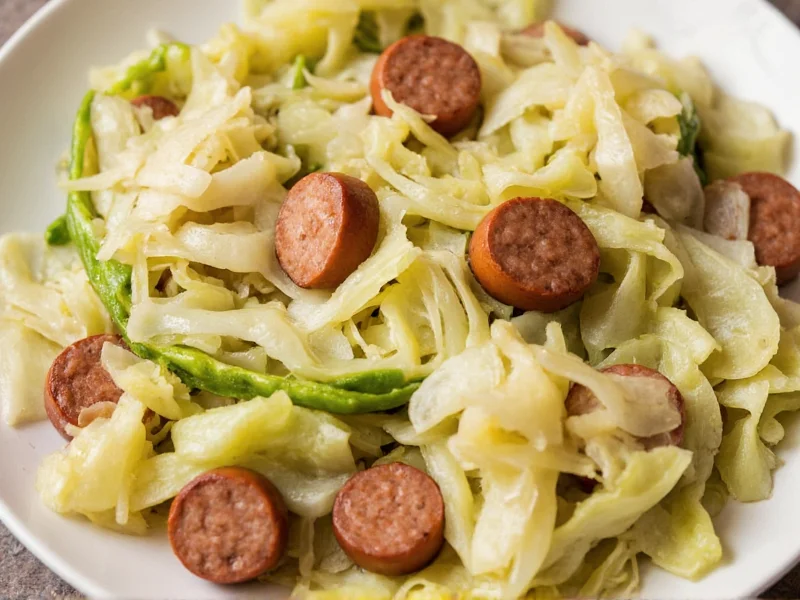
Combining cabbage and sausage creates satisfying meals that are both economical and nutritionally balanced. This dynamic duo works because the savory richness of sausage complements cabbage's mild sweetness, creating depth of flavor without requiring expensive ingredients or complicated techniques. Whether you're looking for a quick weeknight dinner or a comforting weekend meal, these recipes deliver maximum flavor with minimal fuss.
Why Cabbage and Sausage Make the Perfect Pair
Cabbage brings remarkable versatility to the table—it can be shredded for stir-fries, quartered for roasting, or sliced for braising. When paired with sausage, which already contains seasoning and fat, the combination creates restaurant-quality flavor at home. Cabbage absorbs the sausage's rendered fat beautifully, while its natural crunch provides textural contrast. Nutritionally, this pairing offers protein from the sausage and fiber, vitamins C and K from the cabbage, making it a well-rounded meal component.
Essential Ingredients and Equipment
Before diving into specific recipes, gather these essentials:
- Sausage varieties: Kielbasa, smoked sausage, bratwurst, or Italian sausage (choose based on desired flavor profile)
- Cabbage types: Green cabbage for traditional recipes, savoy for delicate dishes, or napa for Asian-inspired variations
- Pantry staples: Onion, garlic, apple cider vinegar, caraway seeds, paprika, and broth
- Equipment: Large skillet, Dutch oven, or sheet pan depending on recipe
Top Cabbage and Sausage Recipes
| Recipe Name | Prep Time | Cooking Method | Special Features |
|---|---|---|---|
| Classic Sausage and Cabbage Skillet | 15 minutes | Stovetop | One-pan meal, ready in 30 minutes |
| German Braised Red Cabbage with Kielbasa | 20 minutes | Simmer | Traditional preparation, sweet-savory balance |
| Sheet Pan Sausage and Roasted Cabbage | 10 minutes | Oven Roasting | Hands-off cooking, caramelized flavors |
| Hearty Cabbage Sausage Soup | 15 minutes | Simmer | Perfect for meal prep, freezes well |
| Asian-Inspired Cabbage Sausage Stir-Fry | 10 minutes | Wok/Stovetop | Quick weeknight option, customizable |
Detailed Recipe Instructions
1. Classic Sausage and Cabbage Skillet
This easy cabbage and sausage skillet recipe serves four in just 30 minutes. Slice 1 pound smoked sausage into 1-inch pieces and brown in a large skillet over medium-high heat. Remove sausage, then sauté 1 diced onion until translucent. Add 4 cups shredded green cabbage, 2 minced garlic cloves, and 1 diced apple. Cook until cabbage begins to soften, about 5 minutes. Return sausage to skillet with ¼ cup apple cider vinegar, 1 teaspoon caraway seeds, salt, and pepper. Cover and simmer 10-15 minutes until cabbage reaches desired tenderness. Finish with fresh parsley.
2. German Braised Red Cabbage with Kielbasa
For authentic traditional German cabbage and sausage recipes, start by slicing 1 red cabbage thinly. In a Dutch oven, cook 12 ounces diced bacon until crisp, then remove. Brown 1 pound kielbasa sausage and set aside. Sauté 1 diced onion in bacon fat until golden. Add cabbage, 1 diced apple, ½ cup apple cider vinegar, 2 tablespoons brown sugar, 1 bay leaf, and ½ teaspoon cloves. Pour in enough broth to moisten. Cover and simmer 45-60 minutes until cabbage is tender but not mushy. Return sausage and bacon to pot and heat through.
3. Sheet Pan Sausage and Roasted Cabbage
This cabbage and sausage sheet pan dinner requires minimal cleanup. Preheat oven to 400°F. Toss 6 cups cabbage wedges with 2 tablespoons olive oil, salt, and pepper. Arrange on a large sheet pan with 1 pound sausage links (halved) and 1 pound baby potatoes (quartered). Drizzle with 2 tablespoons maple syrup and 1 teaspoon smoked paprika. Roast 25-30 minutes, flipping halfway, until sausage is cooked through and cabbage edges are caramelized. Squeeze fresh lemon over finished dish.
4. Hearty Cabbage Sausage Soup
Create a one pot sausage and cabbage soup perfect for cold days. Brown 1 pound Italian sausage in a large pot, breaking into chunks. Remove excess fat, leaving 1 tablespoon. Sauté 1 diced onion, 2 diced carrots, and 2 diced celery stalks until softened. Add 6 cups broth, 1 (14.5 oz) can diced tomatoes, 1 teaspoon dried thyme, and 1 bay leaf. Bring to simmer, then add 4 cups shredded cabbage and cooked sausage. Simmer 15-20 minutes until cabbage is tender. Stir in 1 cup white beans during last 5 minutes. Remove bay leaf before serving.
5. Asian-Inspired Cabbage Sausage Stir-Fry
For a quick weeknight meals with cabbage and sausage option, slice 1 pound Chinese sausage or chorizo into thin rounds. Heat 1 tablespoon oil in wok or large skillet over high heat. Stir-fry sausage 2-3 minutes until slightly crisp. Add 1 tablespoon grated ginger and 2 minced garlic cloves, stir 30 seconds. Add 4 cups shredded napa cabbage and 2 sliced scallions. Stir-fry 3-4 minutes until cabbage wilts but retains crunch. Create a well in center, add 2 beaten eggs and scramble briefly. Mix all ingredients together and toss with 2 tablespoons soy sauce, 1 tablespoon rice vinegar, and 1 teaspoon sesame oil.
Pro Tips for Perfect Cabbage and Sausage Dishes
Master these healthy cabbage and kielbasa dinner ideas with professional techniques:
- Don't overcrowd the pan: When browning sausage, give pieces space to develop a proper sear rather than steaming
- Adjust cabbage texture: For crisper results, add cabbage later in cooking; for more tender cabbage, add earlier
- Balance acidity: A splash of vinegar or lemon juice at the end brightens rich sausage flavors
- Customize heat level: Add red pepper flakes or hot sauce to match your spice preference
- Use sausage drippings: Those flavorful fats are liquid gold—don't drain them completely
Storage and Reheating Guidelines
These budget friendly cabbage sausage meals often taste even better the next day as flavors meld. Store cooled leftovers in airtight containers for up to 4 days in the refrigerator. For longer storage, freeze portions for up to 3 months. When reheating:
- Stovetop: Gently warm in a covered skillet with a splash of broth or water to prevent drying
- Microwave: Cover and heat in 60-second intervals, stirring between
- Oven: Reheat covered at 325°F until heated through (about 20 minutes)
Nutritional Benefits
This low carb cabbage and sausage recipes combination offers impressive nutrition. A typical serving provides approximately 350-450 calories, 20-30g protein, 10-15g fiber, and significant amounts of vitamins C and K from the cabbage. To boost nutritional value further, choose leaner sausage varieties, increase vegetable proportions, and incorporate beans for additional fiber. The natural pairing creates a balanced meal that satisfies without excessive calories.
Troubleshooting Common Issues
When preparing how to cook cabbage with smoked sausage dishes, these solutions address frequent challenges:
- Too much liquid: If your skillet meal seems watery, remove lid and increase heat to evaporate excess moisture
- Bland flavor: Boost taste with additional seasoning, a splash of vinegar, or a pinch of red pepper flakes
- Dry sausage: Don't overcook sausage—remove from heat when it reaches 160°F internal temperature
- Soggy cabbage: For crisper texture, add cabbage later in the cooking process
Frequently Asked Questions
Can I use frozen cabbage in sausage recipes?
Yes, frozen cabbage works well in cooked dishes like soups and braises. Thaw completely and squeeze out excess moisture before using to prevent watery results. Fresh cabbage generally provides better texture for skillet meals and stir-fries.
What's the best sausage for cabbage recipes?
Smoked sausage, kielbasa, and bratwurst work best with cabbage due to their robust flavors that complement cabbage's mildness. For lighter dishes, try chicken or turkey sausage. Avoid heavily spiced sausages that might overpower the cabbage.
How do I prevent cabbage from becoming too soft?
Add cabbage later in the cooking process for crisper texture. For skillet dishes, add shredded cabbage during the last 10-15 minutes of cooking. When roasting, cut cabbage into larger wedges that hold their shape better during cooking.
Can cabbage and sausage dishes be made ahead?
Yes, most cabbage and sausage recipes actually improve when made ahead as flavors meld. Prepare up to 3 days in advance and store in the refrigerator, or freeze portions for up to 3 months. Reheat gently with a splash of liquid to maintain moisture.
What vegetables pair well with cabbage and sausage?
Onions, apples, carrots, potatoes, and bell peppers all complement cabbage and sausage dishes. For added nutrition, stir in kale or spinach during the last few minutes of cooking. Root vegetables like parsnips or turnips work well in roasted preparations.




 浙公网安备
33010002000092号
浙公网安备
33010002000092号 浙B2-20120091-4