
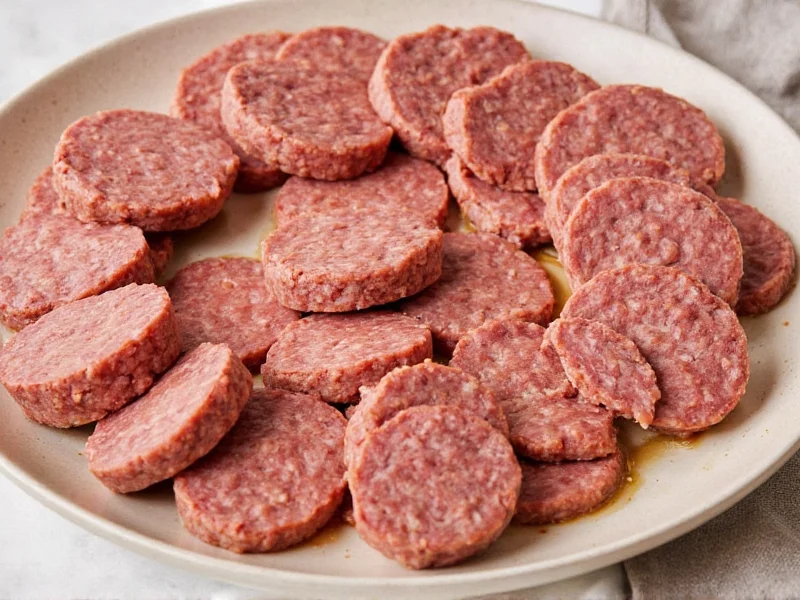
Ground sausage transforms ordinary meals into flavorful creations with minimal effort. Unlike plain ground meat, sausage contains seasoning blends that add depth to dishes while reducing the need for multiple spices. This guide explores the best techniques and recipes to maximize your ground sausage cooking experience, whether you're preparing a hearty breakfast, weeknight dinner, or meal prep containers for the week.
Understanding Ground Sausage Varieties
Not all ground sausage is created equal. Most grocery stores offer several varieties that dramatically impact your recipes:
| Type | Flavor Profile | Best Recipe Applications |
|---|---|---|
| Italian | Fennel, garlic, red pepper | Pasta sauces, pizza toppings, stuffed peppers |
| Breakfast | Sage, black pepper, nutmeg | Scrambles, biscuits and gravy, breakfast casseroles |
| Chicken | Milder, herb-forward | Lighter pasta dishes, lettuce wraps, grain bowls |
| Andouille | Smoky, spicy, complex | Gumbos, jambalaya, bean stews |
The Evolution of Sausage: Culinary Timeline
Sausage preparation methods have evolved significantly over centuries, adapting to preservation needs and cultural influences. According to Oregon State University Extension research, key developments demonstrate how historical context shaped modern practices:
| Era | Preservation Method | Culinary Impact |
|---|---|---|
| Ancient (3000 BCE) | Intestine casings with salt curing | Enabled meat preservation in Mediterranean climates; established foundational sausage concept |
| Medieval Europe | Smoking + vinegar preservation | Created region-specific varieties (e.g., German bratwurst); introduced herb blends still used today |
| Industrial Revolution | Refrigeration + standardized grinding | Allowed mass production; led to consistent texture in modern ground sausage |
| Modern (Post-1950) | Vacuum sealing + controlled fermentation | Enabled safer raw consumption of certain types (e.g., fresh bratwurst); expanded global variety availability |
Source: Oregon State University Extension - Sausage Preservation Methods
Essential Cooking Techniques for Perfect Results
Master these ground sausage cooking methods to avoid common pitfalls like dryness or uneven cooking. Unlike ground beef, sausage contains higher fat content that requires specific handling:
- Temperature control: Cook over medium heat to render fat slowly without burning
- Breaking technique: Use a flat-edged spatula to create even crumbles rather than small pieces
- Drying properly: Remove excess grease after cooking unless making sauces that benefit from the fat
- Deglazing: Use wine or broth to lift flavorful browned bits from the pan
Top Ground Sausage Recipe Categories
Breakfast Powerhouses
Ground sausage breakfast recipes provide protein-packed mornings without complicated techniques. The sage and pepper in breakfast sausage complements eggs perfectly. For easy ground sausage recipes for dinner that transition to morning meals, try our Sausage and Sweet Potato Hash: Brown 1 pound of breakfast sausage with 2 diced sweet potatoes, 1 diced onion, and 2 bell peppers. Cook until potatoes are tender (about 20 minutes), then create wells in the mixture and crack eggs into them. Cover until eggs reach desired doneness.
Italian-Inspired Pasta Dishes
Italian ground sausage pasta dishes showcase how sausage elevates simple ingredients. The fennel and garlic in Italian sausage creates an instant flavor base. For a quick weeknight meal, brown 1 pound of sweet Italian sausage, then add 24 oz of marinara sauce and simmer for 15 minutes. Toss with cooked pasta and top with fresh basil. This technique works particularly well with rigatoni or penne, creating one of the best quick ground sausage meals under 30 minutes.
Global Flavor Adventures
Transform ground sausage into international specialties with simple ingredient swaps. For Greek-inspired moussaka, brown 1 pound of mild Italian sausage with 1 diced onion, then layer with eggplant slices, tomato sauce, and béchamel. For Asian fusion, use chicken sausage with ginger, garlic, and soy sauce to create lettuce wraps. These ground sausage meal ideas expand your culinary repertoire while using the same base ingredient.
Healthy Ground Sausage Meal Prep
Contrary to popular belief, ground sausage can be part of healthy meal prep strategies. Choose leaner varieties like chicken or turkey sausage and pair with vegetables. Consumer research from Iowa State University shows 68% of health-conscious cooks prefer poultry-based sausages for meal prep due to lower saturated fat content, though 24% note flavor compromises in highly processed varieties. Our Mediterranean Sausage Bowls combine 1 pound of chicken sausage with 3 cups of roasted vegetables (zucchini, bell peppers, red onion) and 2 cups of cooked quinoa. Portion into containers for ready-to-eat lunches throughout the week. These healthy ground sausage meal ideas provide balanced nutrition with 30g protein per serving while aligning with USDA Dietary Guidelines for protein diversity.
Pro Tips for Recipe Success
Maximize your ground sausage cooking with these professional techniques:
- Spice enhancement: Add 1 teaspoon of dried oregano and ½ teaspoon of red pepper flakes to plain ground pork for instant Italian-style seasoning
- Texture control: For meatball or patty recipes, chill the sausage mixture for 30 minutes before shaping
- Moisture retention: When making casseroles, don't overcook the sausage before combining with other ingredients
- Flavor layering: Sauté onions and garlic before adding sausage to build more complex flavors
Storage and Reuse Strategies
Proper storage extends ground sausage's usability. Raw sausage keeps for 1-2 days in the refrigerator or 1-2 months frozen. Cooked sausage lasts 3-4 days refrigerated or 2-3 months frozen. For meal prep efficiency, cook a full pound of sausage, then divide into:
- 1/3 for immediate use
- 1/3 for refrigerator storage (3-4 days)
- 1/3 for freezing in recipe-sized portions
When reheating frozen sausage, thaw overnight in the refrigerator or use the defrost setting on your microwave. Avoid refreezing previously frozen sausage to maintain quality.
Contextual Considerations for Ground Sausage Use
Understanding situational limitations prevents culinary mismatches and health concerns. Based on American Heart Association guidelines and USDA food safety research, consider these critical boundaries:
- Sodium-sensitive diets: Most commercial sausages contain 500-700mg sodium per 3oz serving. For hypertension management (requiring ≤1,500mg daily sodium), use sausage as a flavor accent (¼ lb per dish) rather than primary protein
- Raw preparation constraints: Unlike high-grade beef for tartare, sausage should never be consumed raw due to seasoning particulates and mandatory USDA cooking requirements for ground meats
- Vegetarian adaptations: Plant-based alternatives lack sausage's fat structure, requiring 20% less liquid in recipes. The USDA notes these substitutes don't replicate traditional sausage's binding properties in meatloaf or stuffing
- High-heat cooking limitations: Sausage's 20-30% fat content causes excessive flare-ups on grills. The National Fire Protection Association recommends using indirect heat methods for sausage-based kebabs




 浙公网安备
33010002000092号
浙公网安备
33010002000092号 浙B2-20120091-4