
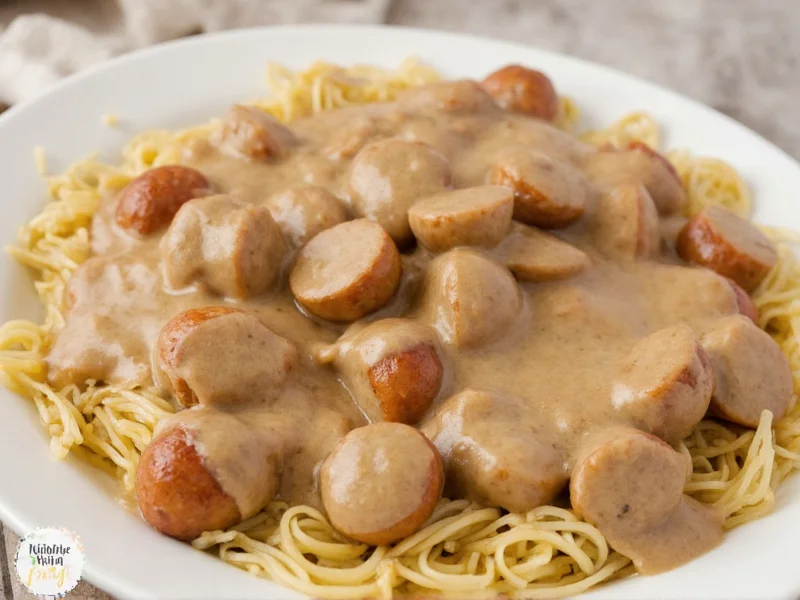
Nothing says comfort food quite like a steaming plate of biscuits smothered in rich, creamy sausage gravy. This beloved Southern breakfast staple has been warming tables for generations, and mastering the perfect sausage gravy recipe is easier than you might think. Whether you're preparing a weekend brunch or need a hearty breakfast to start your day, this from-scratch sausage gravy delivers authentic flavor that store-bought versions simply can't match.
Why This Sausage Gravy Recipe Works
The magic of great sausage gravy lies in the balance of ingredients and technique. Unlike many simplified recipes, this authentic version uses the sausage drippings to create a flavorful roux—the foundation of any proper gravy. The fat from quality pork sausage provides richness while the meat adds savory depth. Using whole milk rather than lower-fat alternatives ensures a creamy texture that holds up well when served over warm biscuits.
Professional chefs and home cooks alike agree that the secret to lump-free gravy is gradual incorporation of warm milk into the roux while whisking constantly. This technique creates a smooth emulsion that thickens perfectly without requiring additional thickeners.
The Evolution of Sausage Gravy
Sausage gravy's transformation from frontier necessity to cultural icon reflects America's culinary journey. Documented by the Southern Foodways Alliance—a research center at the University of Mississippi dedicated to preserving Southern food heritage—this timeline reveals how practical resourcefulness shaped a national favorite:
- 1820s-1840s: Appalachian settlers used cornmeal and game drippings to create rudimentary gravies, adapting European techniques to scarce resources
- 1880s: Commercial sausage production with standardized sage seasoning emerged, particularly in Kentucky and Tennessee, enabling consistent gravy preparation
- 1930s-1940s: Diners nationwide adopted biscuits and gravy as affordable Depression-era sustenance, with regional variations emerging
- 1970s-Present: Culinary historians documented traditional methods through oral histories, cementing its status as a protected Southern foodway
These milestones highlight how economic necessity and regional identity forged this enduring dish, as verified through archival research at the Center for the Study of Southern Culture.
Essential Ingredients for Authentic Sausage Gravy
| Ingredient | Amount | Preparation Notes |
|---|---|---|
| Breakfast sausage | 1 pound | Use mild or spicy pork sausage with 18-22% fat content |
| All-purpose flour | 1/4 cup | Measures after sifting for accurate quantity |
| Whole milk | 2 cups | Warmed to room temperature before adding |
| Salt | To taste | Start with 1/4 teaspoon, adjust after gravy thickens |
| Black pepper | To taste | Freshly ground preferred for best flavor |
Step-by-Step Sausage Gravy Instructions
Cooking the Sausage
Break the sausage into small pieces in a cold skillet, then turn the heat to medium. Cook for 8-10 minutes, stirring occasionally with a wooden spoon to break up larger chunks, until the sausage is thoroughly browned and no pink remains. Properly cooked sausage should reach an internal temperature of 160°F (71°C). Drain excess grease if necessary, but leave about 3 tablespoons of drippings in the pan for the roux.
Creating the Roux
With the cooked sausage still in the skillet, sprinkle the flour evenly over the sausage and drippings. Stir constantly for 2-3 minutes to cook out the raw flour taste while allowing the mixture to thicken slightly. The roux should bubble gently but not brown excessively—this is a white or blond roux, not a dark one.
Adding the Milk
Gradually pour in the warm milk while whisking continuously. Start with small amounts (about 1/4 cup at a time), ensuring each addition is fully incorporated before adding more. This gradual incorporation prevents lumps from forming. Continue whisking as the mixture comes to a gentle simmer.
Final Thickening and Seasoning
Maintain a low simmer for 5-7 minutes, stirring frequently, until the gravy reaches your desired thickness. The gravy will continue to thicken slightly as it cools. Season with salt and freshly ground black pepper to taste. For traditional Southern flavor, don't skip the generous amount of black pepper—this is a signature element of authentic sausage gravy.
Common Sausage Gravy Mistakes to Avoid
Even experienced cooks can encounter issues when making sausage gravy. Here are the most common pitfalls and how to avoid them:
- Using cold milk: Adding cold milk to hot roux causes temperature shock that leads to lumps. Always warm your milk to room temperature first.
- Adding milk too quickly: Pouring all the milk at once overwhelms the roux. Add gradually while whisking constantly.
- Not cooking the roux long enough: Raw flour taste ruins good gravy. Cook the flour for at least 2 minutes after adding to the drippings.
- Over-thickening: If your gravy becomes too thick, thin it with additional warm milk, not water, to maintain richness.
- Under-seasoning: Sausage gravy needs proper seasoning. Taste after thickening and adjust salt and pepper as needed.
Regional Authenticity and Practical Boundaries
While this recipe represents a classic Kentucky-style preparation, understanding regional variations and technical boundaries prevents culinary missteps. Research from the USDA's Food Safety and Inspection Service and food science institutions reveals critical constraints:
- Milk Fat Threshold: Whole milk (minimum 3.25% fat) is non-negotiable for stable emulsification. Lower-fat alternatives lack sufficient lipids to suspend starch molecules, causing separation. The Exploratorium's food science team confirms roux-based sauces require this fat threshold for proper texture (The Science of Roux).
- Geographic Flavor Boundaries: In Appalachia, gravy features extra black pepper with minimal sausage; Louisiana versions incorporate cayenne. Substituting Italian sausage (fennel-heavy) creates a fundamentally different dish—this recipe's boundaries require sage-based breakfast sausage.
- Temperature Safety Limits: The USDA mandates 160°F (71°C) internal temperature for ground pork to eliminate pathogens. Visual cues alone are unreliable; always verify with a calibrated thermometer (Thermometer Temperature Guide).
- Storage Limitations: Refrigerated gravy remains safe for 3-4 days only when reheated to 165°F (74°C). The FDA's Food Code prohibits extended room-temperature storage due to rapid bacterial growth in dairy-based sauces.
Delicious Variations to Try
Once you've mastered the basic sausage gravy recipe, experiment with these popular variations:
- Creamy sausage gravy: Substitute 1/2 cup of the milk with heavy cream for extra richness
- Spicy sausage gravy: Add 1/4 teaspoon cayenne pepper or a few dashes of hot sauce
- Country sausage gravy: Use sage-flavored breakfast sausage for traditional country flavor
- Vegetarian sausage gravy: Substitute plant-based sausage and use unsweetened almond or oat milk
- Garlic sausage gravy: Add 1-2 minced garlic cloves when cooking the sausage
Serving Suggestions for Perfect Biscuits and Gravy
Sausage gravy shines when served over freshly baked buttermilk biscuits—the steam from hot biscuits helps the gravy maintain its ideal texture. For the complete experience:
- Cut warm biscuits in half and ladle generous amounts of hot gravy over both halves
- Serve immediately while both components are hot
- Pair with scrambled eggs or fried eggs for a complete breakfast
- Add a side of crispy bacon or breakfast potatoes
- Offer hot sauce or extra black pepper on the side for customization
Storage and Reheating Instructions
Leftover sausage gravy stores well in the refrigerator for 3-4 days. Transfer to an airtight container while still warm. When reheating:
- Place gravy in a saucepan over low heat
- Add 1-2 tablespoons of milk to restore proper consistency
- Stir frequently until heated through
- Do not boil, as this can cause separation
For longer storage, sausage gravy freezes well for up to 3 months. Thaw overnight in the refrigerator before reheating with additional milk as needed.
Frequently Asked Questions
Can I make sausage gravy without sausage?
Yes, you can make a vegetarian version using plant-based sausage substitutes or create a mushroom gravy using butter, mushrooms, and vegetable broth. However, traditional sausage gravy requires sausage for authentic flavor and texture.
Why is my sausage gravy lumpy?
Lumps form when cold milk hits hot roux too quickly or when insufficient whisking occurs. To fix lumpy gravy, strain it through a fine-mesh sieve while whisking vigorously. For prevention, always use room-temperature milk and add it gradually while whisking constantly.
How do I thicken sausage gravy that's too thin?
If your gravy is too thin, create a slurry by mixing 1 tablespoon cornstarch with 2 tablespoons cold water. Whisk this into the simmering gravy and cook for 2-3 minutes until thickened. Alternatively, continue simmering the gravy gently to reduce and thicken it naturally.
What type of sausage works best for gravy?
Traditional breakfast sausage with 18-22% fat content works best for authentic flavor and texture. Mild or spicy pork sausage both work well, depending on your preference. Avoid pre-cooked or heavily seasoned varieties that may contain fillers affecting the gravy's consistency.
Can I make sausage gravy ahead of time?
Yes, sausage gravy reheats well. Prepare it up to 2 days in advance, store covered in the refrigerator, and reheat gently with additional milk to restore proper consistency. The flavors often deepen when made ahead, resulting in even better-tasting gravy.




 浙公网安备
33010002000092号
浙公网安备
33010002000092号 浙B2-20120091-4