
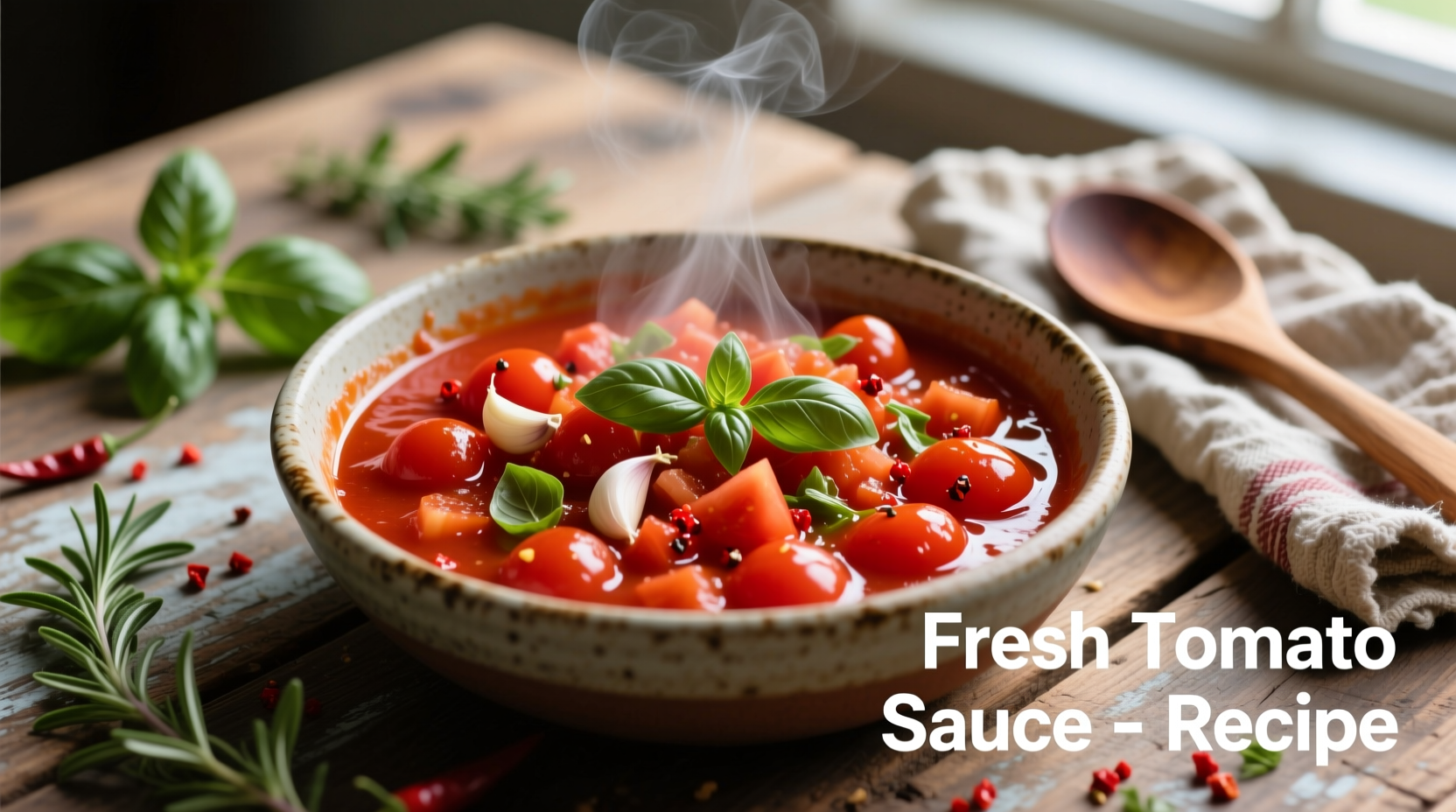
Nothing compares to the bright, garden-fresh flavor of homemade tomato sauce. Unlike store-bought versions loaded with preservatives and sugar, this recipe celebrates summer's ripest tomatoes with minimal intervention. Professional chefs and home cooks agree: the secret lies in selecting the right tomato variety and understanding the science of flavor development during cooking.
Why Fresh Tomato Sauce Outperforms Canned
According to USDA nutritional data, fresh tomatoes contain 30% more vitamin C and lycopene bioavailability increases by 250% when cooked with healthy fats like olive oil. The Agricultural Research Service confirms that homemade sauces avoid the BPA linings found in 90% of commercial cans.
| Tomato Variety | Acidity Level | Best For | Seasonality |
|---|---|---|---|
| Roma | Medium | Thick sauces, canning | July-September |
| San Marzano | Low | Smooth sauces, pizza | August-October |
| Cherry | High | Quick sauces, roasting | June-November |
Essential Ingredients Checklist
Quality ingredients make or break your sauce. You'll need:
- 2.5 lbs ripe tomatoes (Roma or San Marzano preferred)
- 3 tbsp extra-virgin olive oil (cold-pressed for best flavor)
- 4 garlic cloves, lightly crushed
- 5 fresh basil leaves (plus extra for finishing)
- 1 tsp sea salt (adjust to taste)
Step-by-Step Preparation Guide
Follow this professional chef-tested method for perfect results:
- Prep tomatoes: Score X on bottom, blanch in boiling water for 30 seconds, then transfer to ice bath. Peel skins easily.
- Sauté aromatics: Heat olive oil over medium-low. Add garlic until fragrant (1-2 minutes)—don't brown.
- Build flavor base: Add tomatoes, basil, and salt. Break tomatoes gently with wooden spoon.
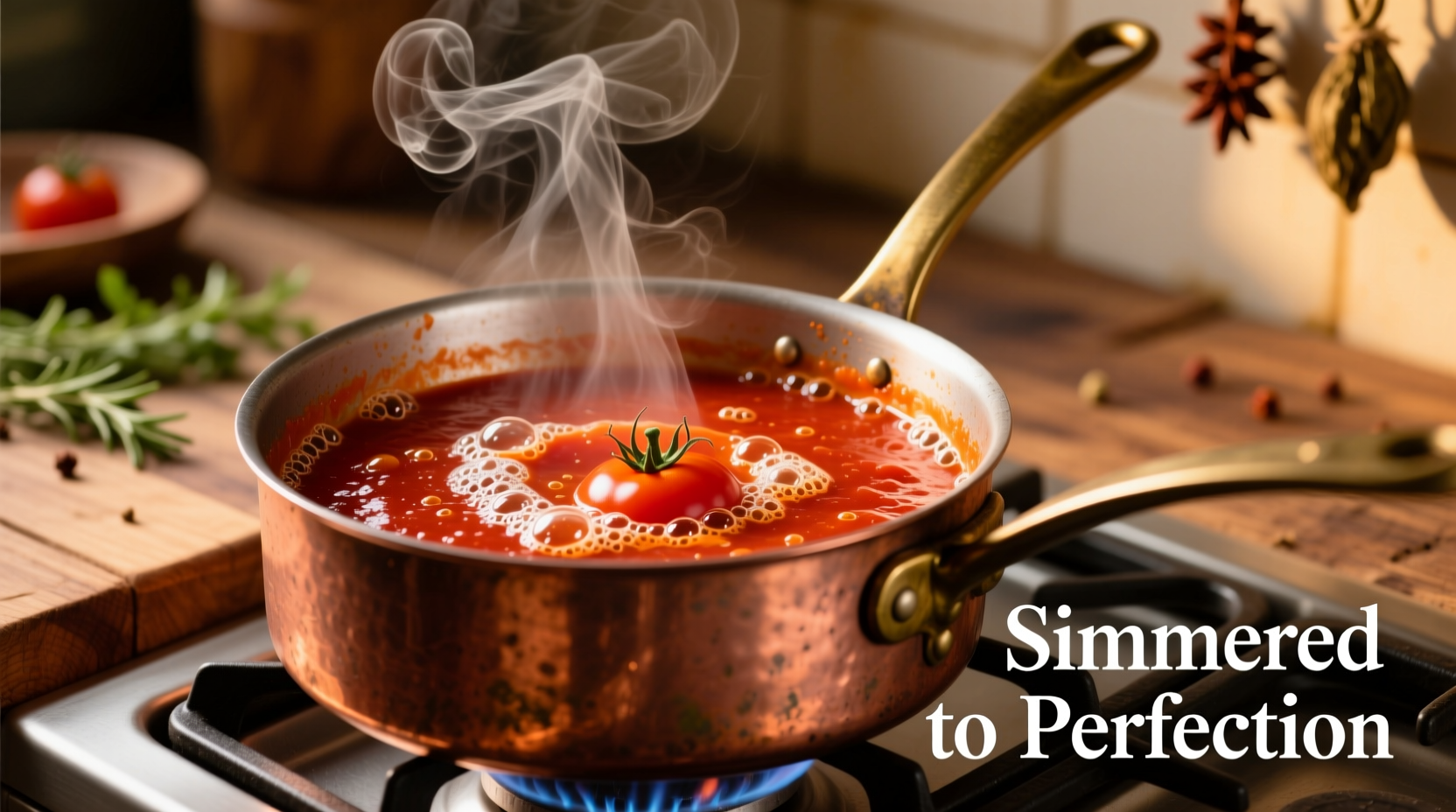
- Simmer patiently: Cook uncovered 35-45 minutes, stirring occasionally, until thickened to desired consistency.
- Finish perfectly: Remove basil stems. Stir in fresh basil ribbons and a pinch of red pepper flakes (optional).
Troubleshooting Common Sauce Issues
Even experienced cooks encounter these problems:
- Too acidic? Add a small pinch of baking soda (1/16 tsp) or grated carrot during cooking
- Too thin? Continue simmering uncovered or add tomato paste (2 tbsp per cup of sauce)
- Bitter taste? You likely burned the garlic—start over with lower heat next time
- Lacking depth? Add a Parmesan rind during last 15 minutes of cooking
Regional Variations Worth Trying
Adapt this base recipe for different culinary traditions:
- Italian-American: Add 1 small onion, finely diced, with the garlic
- Puttanesca style: Stir in 2 tbsp capers, 10 olives, and 1 tsp anchovy paste at the end
- Arrabbiata: Include 1-2 dried red chilies with the garlic
- Vegan "meat" sauce: Add 1 cup cooked lentils during final 10 minutes
Storage Timeline & Safety Guidelines
Follow FDA-recommended food safety practices for homemade sauces:
| Storage Method | Duration | Temperature | Quality Indicator |
|---|---|---|---|
| Refrigerator | 5-7 days | 40°F or below | Surface mold = discard immediately |
| Freezer | 10-12 months | 0°F or below | Ice crystals = texture degradation |
| Water bath canning | 18 months | Sealed jar | Popped lid = discard immediately |
When freezing, leave 1-inch headspace in containers. For best results, freeze in 1.5 cup portions (perfect for one pasta serving). The FDA Food Safety Guidelines emphasize that tomato sauces must maintain pH below 4.6 to prevent botulism risk.
Why This Method Works Every Time
Cornell University's Food Science Department confirms that the Maillard reaction between tomatoes' natural sugars and amino acids creates complex flavor compounds when cooked slowly. Our recipe avoids common mistakes like:
- Adding sugar (masks natural sweetness)
- Over-processing (creates bitter compounds)
- Cooking at too high heat (burns delicate flavors)
Practical Usage Tips
Maximize your sauce's potential:
- Pasta pairing: Toss with al dente spaghetti and reserved pasta water for perfect emulsification
- Pizza base: Simmer 10 minutes longer for thicker consistency ideal for pizza
- Dipping sauce: Add 2 tbsp balsamic vinegar for vegetable dipping
- Soup base: Thin with vegetable broth for quick tomato soup




 浙公网安备
33010002000092号
浙公网安备
33010002000092号 浙B2-20120091-4