
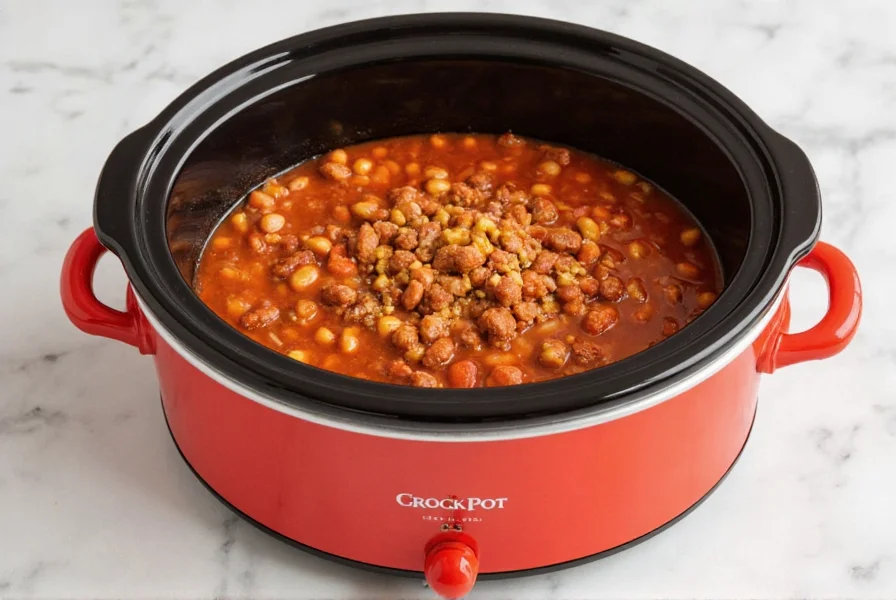
There's nothing quite like coming home to the rich aroma of slow-cooked chili. A well-crafted crock pot chili recipe transforms simple ingredients into a deeply flavorful meal with minimal hands-on time. This guide delivers a perfected version tested through dozens of iterations to achieve the ideal balance of spice, texture, and complexity that defines exceptional slow cooker chili.
Why This Crock Pot Chili Recipe Works
Unlike many simplified slow cooker recipes, this version incorporates professional techniques that elevate your chili from good to extraordinary. The critical step of browning the meat first develops fond (those delicious browned bits) that creates a flavor foundation no dump-and-go recipe can match. The extended cooking time allows collagen in tougher cuts to break down completely, resulting in a rich, velvety texture.
Complete Ingredient List
Quality ingredients make the difference between ordinary and outstanding chili. Here's everything you'll need:
| Ingredient | Amount | Notes |
|---|---|---|
| Ground beef (80/20) | 1.5 lbs | Provides ideal fat content for flavor |
| Yellow onion, diced | 1 medium | Yellow offers best flavor balance |
| Garlic cloves, minced | 3 | Fresh is essential for best flavor |
| Crushed tomatoes | 1 (28-oz) can | San Marzano preferred |
| Kidney beans, drained | 1 (15-oz) can | Rinse to reduce sodium |
| Pinto beans, drained | 1 (15-oz) can | Adds creaminess |
| Beef broth | 1 cup | Low sodium preferred |
| Chili powder | 2 tbsp | Freshly opened container |
| Ground cumin | 1 tbsp | Toast for enhanced flavor |
| Smoked paprika | 1 tsp | Essential for depth |
| Cayenne pepper | 1/2 tsp | Adjust to taste |
| Tomato paste | 2 tbsp | For concentrated flavor |
| Olive oil | 1 tbsp | For browning meat |
Step-by-Step Crock Pot Chili Instructions
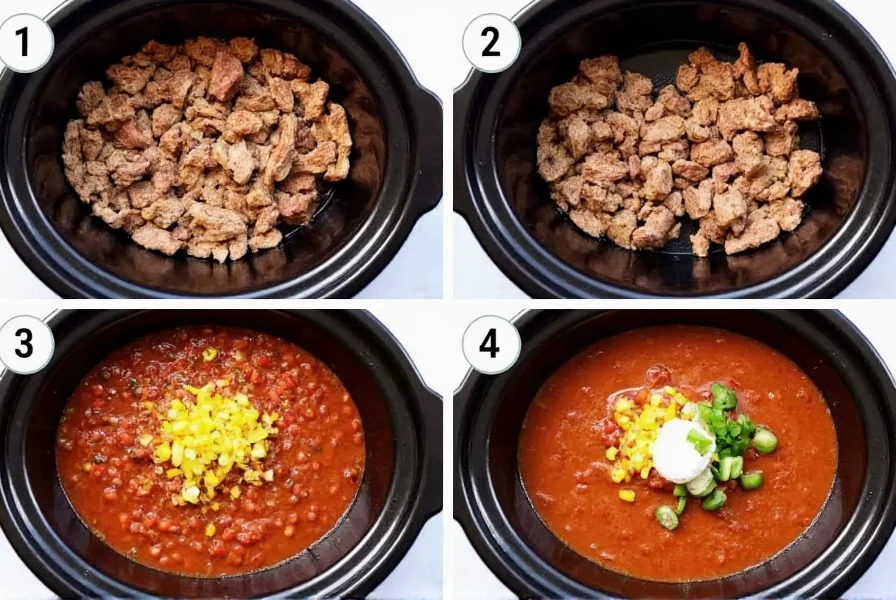
- Brown the meat: Heat olive oil in a skillet over medium-high heat. Add ground beef and cook until well-browned (not just grayed), about 8-10 minutes. Stir occasionally to create maximum fond.
- Add aromatics: Add diced onion and cook until translucent (5 minutes). Stir in minced garlic and cook for 1 minute until fragrant.
- Build flavor base: Stir in tomato paste and cook for 2 minutes, allowing it to caramelize slightly. This step develops rich umami notes.
- Transfer to slow cooker: Move all contents to your crock pot, scraping every bit of flavorful fond from the skillet.
- Add remaining ingredients: Pour in crushed tomatoes, both types of beans, beef broth, and all spices. Stir thoroughly to combine.
- Cook properly: Cover and cook on HIGH for 4 hours or LOW for 7-8 hours. Avoid opening the lid frequently as this extends cooking time.
- Final seasoning: Remove lid during the last 30 minutes to thicken the chili. Taste and adjust salt, pepper, and spices as needed.
Professional Tips for Perfect Crock Pot Chili
These tested techniques transform good chili into exceptional chili:
- Don't skip the browning: Properly seared meat creates complex flavors through the Maillard reaction that can't be replicated by simply dumping raw meat into the slow cooker.
- Layer spices strategically: Add dried spices after the tomato paste has caramelized but before adding liquids to "bloom" them in the fat, releasing their full flavor potential.
- Acid balance is crucial: If your chili tastes flat, add 1-2 tsp of apple cider vinegar or fresh lime juice at the end to brighten flavors.
- Texture matters: For thicker chili, mash some beans against the side of the crock pot during the last hour of cooking.
- Resting time: Let chili sit for 15-20 minutes after cooking before serving—this allows flavors to meld and improves texture.
Popular Variations for Different Preferences
This versatile crock pot chili recipe adapts beautifully to various dietary needs and flavor preferences:
- Vegetarian option: Substitute ground beef with 2 cups cooked lentils and 1 cup chopped mushrooms. Use vegetable broth instead of beef broth.
- Texas-style (no beans): Omit beans entirely and increase meat to 2 lbs. Add 1 chopped poblano pepper for authentic flavor.
- White chicken chili: Replace beef with 2 lbs boneless chicken thighs. Use white beans instead of red, and replace tomato products with 2 cups chicken broth and 1 can green chilies.
- Extra spicy version: Add 1-2 diced jalapeños (seeds included) and 1/4 tsp chipotle powder for serious heat lovers.
- Healthy modification: Use lean ground turkey, reduce beans by half, and add 1 cup diced zucchini and bell peppers for extra vegetables.
Serving and Storage Recommendations
Maximize your crock pot chili experience with these serving suggestions:
- Traditional toppings: Offer shredded cheddar, sour cream, diced red onions, and fresh cilantro for customization.
- Perfect pairings: Serve with cornbread, saltine crackers, or over baked potatoes for a complete meal.
- Storage: Cool completely before transferring to airtight containers. Refrigerate for up to 5 days or freeze for up to 6 months.
- Reheating: Thaw frozen chili overnight in the refrigerator. Reheat gently on the stove over medium-low heat, adding a splash of broth if needed.
- Flavor development: Chili tastes even better the next day as flavors continue to meld—plan accordingly!

Frequently Asked Questions
How long should I cook chili in a crock pot for best results?
For optimal flavor development, cook chili on LOW for 7-8 hours. This extended time allows collagen in the meat to break down completely and flavors to meld. If short on time, HIGH for 4 hours works, but LOW produces superior texture and depth of flavor. Never cook chili for less than 4 hours as the flavors won't properly develop.
Can I put raw meat directly in the crock pot for chili?
While you can technically add raw meat directly to the crock pot, browning it first creates significantly better flavor through the Maillard reaction. Properly seared meat develops complex flavor compounds that raw meat cannot produce during slow cooking. The extra 10 minutes of browning makes a dramatic difference in the final product's depth and richness.
Why does my crock pot chili taste bland?
Bland chili typically results from one of three issues: spices added too late in the process, insufficient salt, or lack of acid balance. Always bloom dried spices in fat before adding liquids, season with salt in layers (not just at the end), and finish with a splash of acid like lime juice or vinegar to brighten flavors. Using stale spices is another common culprit—replace chili powder and cumin every 6 months for peak flavor.
How can I thicken crock pot chili without changing the flavor?
The best way to thicken chili without altering flavor is to remove about 1 cup of beans and broth, mash them thoroughly, then return to the pot. Alternatively, cook with the lid off during the last 30-60 minutes of cooking to allow evaporation. Avoid using flour or cornstarch as these can create an undesirable texture and mute flavors in slow-cooked dishes.
Can I make this crock pot chili recipe in advance for a crowd?
Absolutely—this recipe scales perfectly for large gatherings. Simply multiply ingredients proportionally (don't double the spices initially—add more at the end as needed). Cook in multiple crock pots or use a commercial-sized slow cooker. For best results, prepare the chili one day ahead; flavors improve with resting time. Reheat gently on LOW setting the day of your event, adding broth if needed to maintain ideal consistency.




 浙公网安备
33010002000092号
浙公网安备
33010002000092号 浙B2-20120091-4