
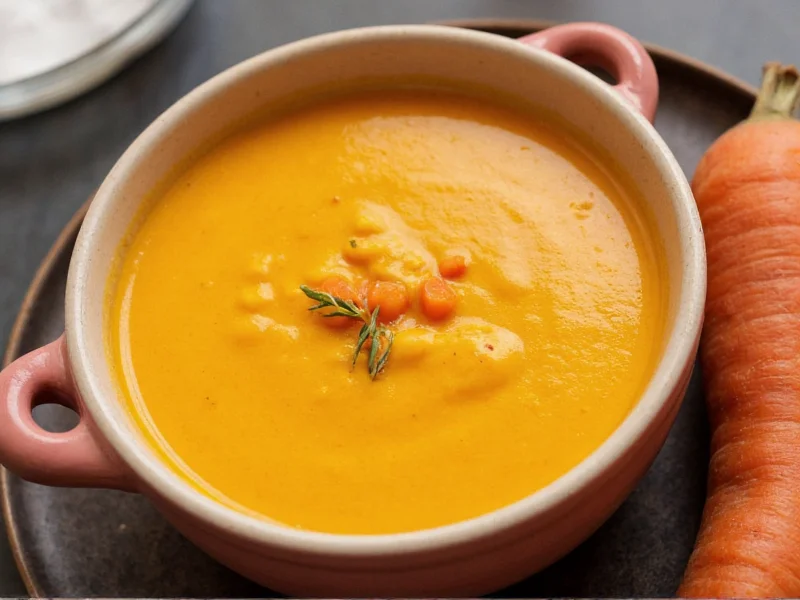
Carrot soup is a comforting, nutritious dish that's surprisingly simple to make yet elegant enough for special occasions. This versatile recipe transforms humble ingredients into a velvety, flavorful soup that's naturally sweet, packed with beta-carotene, and adaptable to various dietary needs. Whether you're using up garden carrots or seeking a quick weeknight meal, this foolproof method delivers consistent results every time.
Why This Carrot Soup Recipe Works
This particular carrot soup formula has been perfected through years of kitchen testing. Unlike many recipes that rely on heavy cream for richness, this version achieves its luxurious texture through proper cooking technique and ingredient balance. The secret lies in the caramelization of onions and the extended simmering time that develops deep flavor without overpowering the natural sweetness of the carrots.
Complete Ingredient List
For the best homemade carrot soup, gather these fresh ingredients:
| Ingredient | Quantity | Substitution Options |
|---|---|---|
| Carrots | 2 pounds (about 8 medium) | Parsnips (up to 50% substitution) |
| Yellow onion | 1 medium | Shallot or leek |
| Garlic cloves | 2 | 1/2 tsp garlic powder (less flavorful) |
| Vegetable broth | 4 cups | Chicken broth or water with bouillon |
| Olive oil | 2 tablespoons | Butter or coconut oil |
| Fresh ginger | 1-inch piece, grated | 1/4 tsp ground ginger |
Essential Equipment
You don't need specialized tools for this easy carrot soup recipe:
- Large pot or Dutch oven (4-6 quart capacity)
- Sharp chef's knife and cutting board
- Wooden spoon or heat-resistant spatula
- Immersion blender (or regular blender)
- Measuring cups and spoons
Step-by-Step Cooking Instructions
- Prepare vegetables: Peel and chop carrots into 1-inch pieces. Finely dice onion. Mince garlic.
- Sauté aromatics: Heat olive oil in large pot over medium heat. Add onions and a pinch of salt. Cook 5-7 minutes until translucent.
- Add flavor builders: Stir in garlic and ginger, cooking 1 minute until fragrant but not browned.
- Add carrots and liquid: Add chopped carrots and vegetable broth. Bring to gentle boil.
- Simmer until tender: Reduce heat to low, cover, and simmer 20-25 minutes until carrots pierce easily with fork.
- Blend until smooth: Use immersion blender directly in pot until completely smooth (or carefully transfer to regular blender in batches).
- Season and finish: Return to low heat if needed. Add salt to taste (start with 1/2 tsp). For extra richness, stir in 1-2 tablespoons of cream or coconut milk.
Professional Tips for Perfect Carrot Soup
These chef-recommended techniques elevate your simple carrot soup from good to exceptional:
- Carrot selection matters: Choose deep orange carrots for maximum sweetness and color. Avoid rubbery or cracked specimens.
- Don't rush the sauté: Properly cooked onions (without browning) create the flavor foundation. This step takes 7-10 minutes.
- Temperature control: Keep soup at gentle simmer, not rolling boil, to prevent scorching and maintain vibrant color.
- Blending safety: If using regular blender, fill only halfway and hold lid with towel to prevent hot soup explosions.
- Texture adjustment: Too thick? Add broth 1/4 cup at a time. Too thin? Simmer uncovered 5-10 minutes to reduce.
Delicious Variations to Try
This basic carrot soup recipe adapts beautifully to different tastes and dietary requirements:
- Curried carrot soup: Add 1-2 tsp curry powder with the garlic for an aromatic twist
- Vegan carrot ginger soup: Use coconut milk instead of dairy and ensure broth is vegan
- Roasted carrot soup: Toss carrots with oil and roast at 400°F for 25 minutes before adding to pot for deeper flavor
- Spicy version: Add 1/4 tsp cayenne or a diced jalapeño with the onions
- Herb-infused: Stir in 1 tbsp fresh thyme or 1 tsp dried during last 5 minutes of cooking
Serving Suggestions
Presentation transforms simple carrot soup into a restaurant-quality meal:
- Drizzle with cream or coconut milk in a decorative pattern
- Sprinkle with fresh herbs (parsley, cilantro, or chives)
- Add crunch with croutons, pumpkin seeds, or toasted nuts
- Serve with crusty bread or a simple green salad
- Pair with grilled cheese sandwiches for a classic comfort meal combination
Storage and Reheating Instructions
This easy carrot soup recipe makes excellent leftovers:
- Refrigeration: Store in airtight container for up to 5 days
- Freezing: Freeze in portion-sized containers for up to 3 months (thaw overnight in refrigerator)
- Reheating: Warm gently over medium-low heat, stirring occasionally. Add small amounts of broth if too thick
- Flavor development: Like many soups, flavor improves after 24 hours as ingredients meld
Frequently Asked Questions
Can I make carrot soup without an immersion blender?
Yes, you can make creamy carrot soup without an immersion blender. Carefully transfer the hot soup in batches to a regular blender, filling only halfway each time. Hold the lid firmly with a kitchen towel and start blending at low speed. Never fill a blender more than halfway with hot liquids to prevent dangerous spills.
Why is my carrot soup grainy instead of smooth?
Grainy texture usually occurs when carrots haven't cooked long enough to become completely tender. Ensure carrots pierce easily with a fork before blending. Using an underpowered blender or not blending long enough can also cause graininess. For ultra-smooth results, strain through a fine-mesh sieve after blending.
How can I make my carrot soup more flavorful?
Enhance flavor by properly caramelizing onions (takes 7-10 minutes), adding fresh ginger with the garlic, and including an acid like lemon juice or apple cider vinegar at the end. Roasting carrots before simmering creates deeper, sweeter notes. A small Parmesan rind simmered in the broth adds umami depth (remove before blending).
Is carrot soup healthy?
Yes, homemade carrot soup is extremely healthy. Carrots provide beta-carotene (converted to vitamin A), fiber, and antioxidants. This recipe uses minimal added fat and no heavy cream. The soup is naturally low calorie, vegan-friendly, and supports eye health, immune function, and digestion when made with wholesome ingredients.
What can I do if my carrot soup is too sweet?
Balance excessive sweetness by adding acidity (1-2 tsp lemon juice or apple cider vinegar) or savory elements (a dash of soy sauce or Worcestershire sauce). A pinch of cayenne pepper or black pepper can also counter sweetness. For future batches, reduce carrot quantity slightly or increase broth proportion.




 浙公网安备
33010002000092号
浙公网安备
33010002000092号 浙B2-20120091-4