
Why Gardeners Are Obsessed With This "Cascading" Tomato
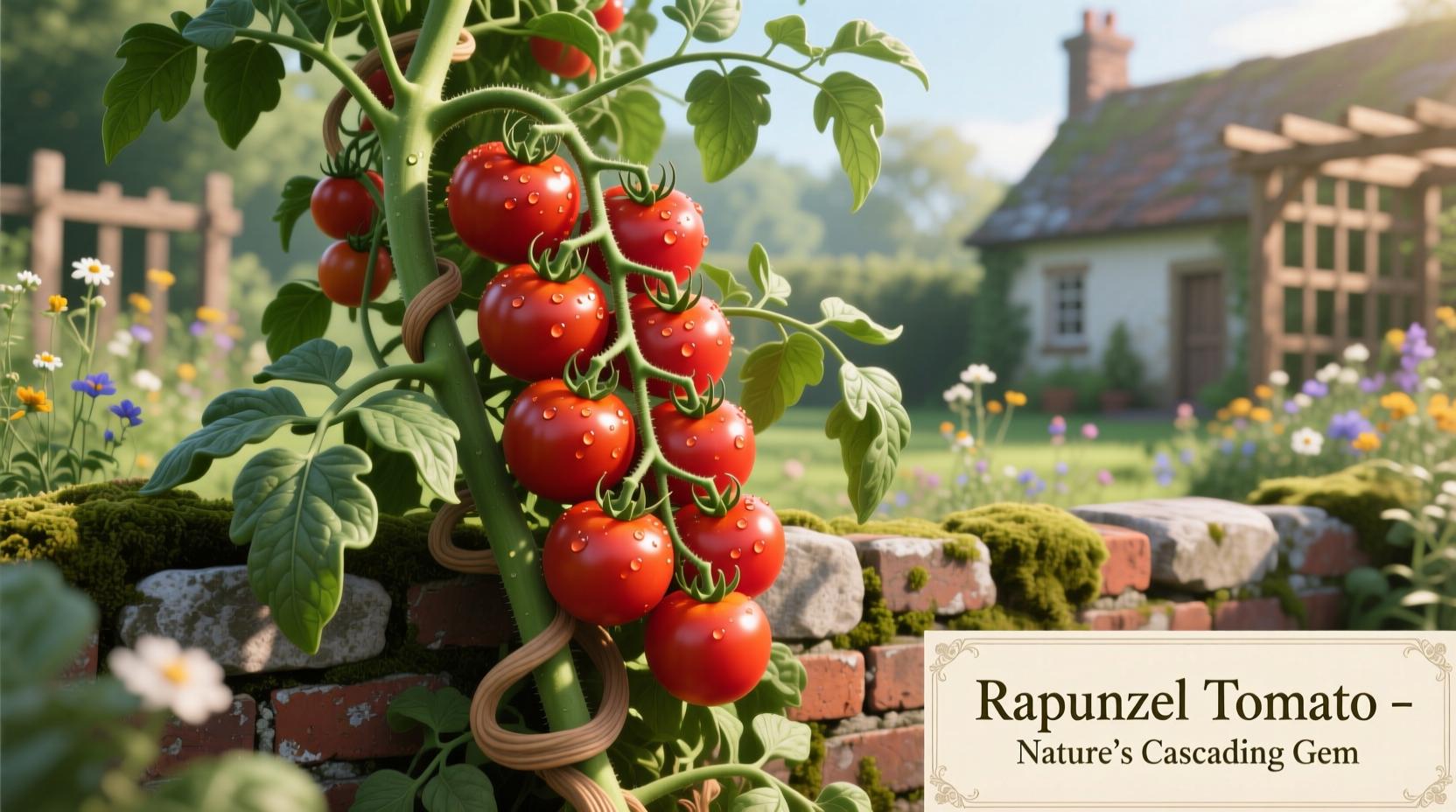
Look, I've trialed hundreds of tomato varieties over 20 years, and Rapunzel still surprises me. You know that fairy tale where Rapunzel lets down her hair? Yeah, this plant literally does that—but with tomato clusters. Instead of bushy growth, it sends out long, flexible stems heavy with fruit that drape elegantly downward. Honestly? It solves the #1 headache for patio gardeners: wasting precious vertical space on upward growth when your balcony's only 3x3 feet.
What Makes It Different From Regular Cherry Tomatoes
Most cherry tomatoes like Sweet Million grow upright and need staking. Rapunzel? It's genetically programmed to cascade. I've seen clusters hit 3 feet long in my trials—imagine that spilling over a hanging basket! The fruit itself is smaller than beefsteaks (about grape-sized) but packs intense sweetness with low acidity. Gardeners in Germany's cooler climates love it because it sets fruit reliably even when temps dip. And get this: those long clusters aren't just pretty. They actually reduce disease risk since air circulates better around dangling fruit versus crowded bush varieties.
| Feature | Rapunzel Tomato | Standard Cherry Tomato |
|---|---|---|
| Growth Habit | Naturally cascading (weeps downward) | Upright, requires staking |
| Fruit per Cluster | 15-30 tomatoes | 6-12 tomatoes |
| Container Suitability | Ideal (saves vertical space) | Moderate (needs support) |
| Disease Resistance | Fusarium wilt, TMV, leaf spot | Variable (often lower) |
| Flavor Profile | Balanced sweet-tart, complex | Often one-dimensional sweet |
When to Plant Rapunzel (And When to Skip It)
Let's be real—this variety isn't magic. I've seen beginners dump seeds in pots expecting miracles, then get frustrated. Here's the straight talk:
Use Rapunzel When...
- You're growing in containers, hanging baskets, or small spaces (it thrives where upward growth isn't an option)
- Your area has cool springs (it sets fruit at 55°F—most cherries need 65°F+)
- You want low-maintenance disease resistance (no spraying needed in most home gardens)
Avoid It When...
- You need tomatoes for sauces (fruit is too small and seedy)
- You're growing in windy coastal areas (long clusters snap easily)
- You expect huge yields per plant (it produces less total weight than indeterminate types)
Pro tip: I always start seeds indoors 6-8 weeks before last frost. Transplant when night temps stay above 50°F. And seriously? Skip cages—they fight the plant's natural drape. Use a single stake at the pot's edge to guide initial growth, then let it cascade freely.
3 Mistakes That Kill Your Harvest (From My Trial & Error)
After growing Rapunzel across 12 seasons, here's what actually matters:
- Over-pruning: Beginners cut side shoots like with beefsteaks. Don't! Those "suckers" become fruit-bearing cascades. Just pinch tops when stems hit container rim.
- Wrong pot size: Too small (<5 gal) = stunted clusters. Too big (>10 gal) = lush leaves but fewer fruits. I use 7-gallon fabric pots—perfect balance.
- Harvesting too early: Unlike beefsteaks, color isn't the cue. Wait until fruits feel slightly soft when gently squeezed. That's when sugars peak.
Oh, and about watering? Consistency is key. I check soil daily—if top inch's dry, it gets water. Erratic watering causes cracking in those thin-skinned clusters. Trust me, I learned this the hard way after a heatwave ruined my first harvest.
Everything You Need to Know
Absolutely—they're designed for containers. Use a 7-gallon pot minimum with drainage holes. The cascading habit actually thrives in pots since it avoids wasted vertical growth. I've had patio gardeners get fuller clusters in 5-gallon buckets than in-ground plants. Just ensure 6+ hours of sun and consistent watering.
Expect ripe tomatoes 65 days after transplanting outdoors. Seedlings emerge in 5-7 days, but the magic happens around week 8 when clusters start forming. In cooler climates (like my Zone 6 garden), I get first harvest late June. Warmer zones see fruit as early as May.
Short clusters usually mean insufficient light or over-fertilizing. Rapunzel needs 8+ hours of direct sun for long cascades. If you're using high-nitrogen fertilizer, switch to a bloom booster (like 5-10-10). I've fixed this by moving pots to sunnier spots—within 2 weeks, new clusters stretched dramatically.
Never refrigerate! Cold kills flavor. Store at room temperature stem-side down on a paper towel for 3-5 days. For longer storage, make quick freezer sauce—blanch, peel, and freeze whole. I do this weekly during peak season and still enjoy that sweet-tart taste in January soups.
Yes—it's bred for resistance to Fusarium wilt (races 1-2), Tobacco Mosaic Virus, and leaf spot. In my humid Midwest garden, it consistently outperforms varieties like Sun Gold with zero fungicide. University trials confirm this; the German breeder (Seminis) publishes resistance data in seed catalogs.




 浙公网安备
33010002000092号
浙公网安备
33010002000092号 浙B2-20120091-4