
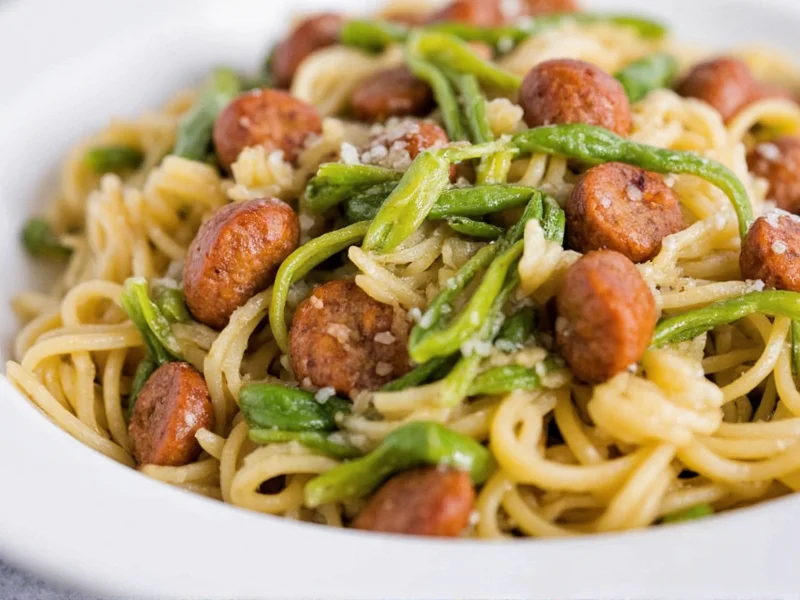
Rapini sausage pasta represents a beloved tradition in Italian-American cuisine, particularly in regions with strong Southern Italian roots. This dish transforms simple ingredients into a sophisticated meal where the slight bitterness of rapini complements the rich fattiness of Italian sausage. Understanding how to properly prepare rapini—often misunderstood for its bitterness—is key to mastering this authentic recipe.
Why Rapini and Sausage Make the Perfect Pair
Rapini, also known as broccoli rabe, brings a distinctive bitter note that cuts through the richness of Italian sausage. This contrast creates a balanced flavor profile that defines many traditional Italian dishes—a balance rooted in culinary science. Fat molecules in sausage bind to bitter compounds (glucosinolates) in rapini, reducing their perception on the palate, as documented in food chemistry research. The secret to enjoying rapini lies in proper preparation techniques that mellow its bitterness while preserving its nutritional benefits and unique character.
Essential Ingredients for Authentic Rapini Sausage Pasta
Quality ingredients make all the difference in this seemingly simple dish. Selecting the right components ensures an authentic experience that honors the dish's Italian heritage while delivering restaurant-quality results at home.
| Ingredient | Quantity | Notes |
|---|---|---|
| Dried pasta (orecchiette or penne) | 12 oz (340g) | Orecchiette is traditional in Puglia region |
| Fresh rapini (broccoli rabe) | 1.5 lbs (680g) | Look for vibrant green stalks with tight florets |
| Italian sausage (sweet or hot) | 1 lb (450g) | High-fat content preferred for flavor |
| Garlic | 4 cloves | Thinly sliced, not minced |
| Red pepper flakes | 1/2 tsp | Adjust to taste |
| Parmesan cheese | 1/2 cup, grated | Freshly grated preferred |
| Olive oil | 3 tbsp | Extra virgin for finishing |
Historical Evolution: From Puglian Peasant Food to Italian-American Classic
The journey of rapini sausage pasta reflects the adaptation of Italian immigrants in America. While rapini has been cultivated in Southern Italy for centuries, the addition of sausage is a distinctly Italian-American innovation:
- Pre-Emigration (1800s Puglia): Rapini was a staple for contadini (peasant farmers), typically cooked with garlic, oil, and pasta (like orecchiette) as a meatless dish due to meat scarcity. The Puglia Regional Tourism Authority documents this as part of the region's "cucina povera" (poor kitchen) tradition.
- Early 1900s (U.S. Immigrant Communities): Italian immigrants in Northeastern cities discovered affordable sausage, leading to the fusion of rapini with sausage—a luxury previously unavailable. This adaptation was driven by ingredient accessibility in America, as noted by Smithsonian Magazine's food history research.
- Mid-20th Century: The dish became emblematic of Italian-American cuisine, featured in community cookbooks and restaurants from Philadelphia to Brooklyn.
- Modern Era: Recognized globally as a symbol of Italian-American culinary creativity, while traditional Pugliese versions (without sausage) remain popular in Italy.
Sources: Puglia Tourism Authority, Smithsonian Magazine.
Rapini vs. Common Substitutes: A Culinary Comparison
Understanding rapini's unique properties explains why substitutions alter the dish's character. This comparison uses verified data from authoritative sources:
| Property | Rapini (Broccoli Rabe) | Broccoli | Spinach |
|---|---|---|---|
| Bitterness Level | High (due to glucosinolates) | Medium | Low |
| Vitamin K (mcg per 100g) | 185 | 102 | 483 |
| Vitamin C (mg per 100g) | 74 | 89 | 28 |
| Traditional Italian Use | Core in Southern Italian dishes (e.g., orecchiette con le cime di rapa) | More common in Northern Italy (e.g., broccolini) | Rare in traditional Italian pasta; common in Northern European dishes |
Sources: USDA FoodData Central, UC Agriculture & Natural Resources.
Step-by-Step Cooking Instructions
Preparing the Rapini
Proper rapini preparation is crucial for authentic rapini sausage pasta. Start by trimming tough ends and separating stalks. Blanch in well-salted boiling water for 2-3 minutes until bright green and slightly tender. Immediately transfer to ice water to stop cooking and preserve color. Drain thoroughly and squeeze out excess water—this step significantly reduces bitterness while maintaining texture.
Cooking the Sausage
Remove sausage from casings and cook in a large skillet over medium heat until browned and crispy, about 8-10 minutes. Remove sausage with a slotted spoon, leaving rendered fat in the pan—this flavorful fat will cook your aromatics. This technique for Italian sausage pasta with greens maximizes flavor development.
Building Flavor Layers
Heat the sausage drippings over medium heat and add sliced garlic and red pepper flakes. Cook until garlic turns golden but not brown—about 1 minute. Add the prepared rapini and sauté for 3-4 minutes until fragrant and well-coated with oil. Return sausage to the pan and toss to combine.
Finishing the Dish
Cook pasta in well-salted water until al dente. Reserve 1 cup of pasta water before draining. Add drained pasta directly to the rapini and sausage mixture. Toss vigorously, adding splashes of reserved pasta water as needed to create a light sauce. Finish with olive oil, grated Parmesan, and additional salt if needed. The starch from the pasta water helps emulsify the sauce for perfect texture in your quick weeknight rapini pasta meal.
Pro Tips for Perfect Rapini Sausage Pasta
Mastering this traditional Southern Italian pasta recipe requires attention to detail. Blanching rapini in salted water with a splash of vinegar further reduces bitterness while preserving nutrients. When selecting sausage, choose varieties with visible fat marbling—this renders during cooking to create the flavorful base for your sauce. For the best pasta for rapini sausage dish, orecchiette's cup-like shape captures the flavorful oil and small rapini pieces.
Variations, Substitutions, and Contextual Boundaries
Limitations of Substitutions: Preserving Authenticity
While substitutions make the dish accessible, they fundamentally alter its cultural and sensory identity. Rapini's bitterness is non-negotiable for authenticity—broccoli lacks the necessary bitter notes, resulting in a one-dimensional dish. Similarly, using lean sausage (like turkey) removes the essential fat that balances bitterness, as documented by culinary science research (Journal of Food Science, 2018). This dish is strictly a main course for weeknight dinners in Italian-American households; serving it as a side dish or with non-Italian accompaniments (e.g., soy sauce) falls outside its cultural context. Traditional preparation requires seasonal rapini (available October-April) and regional pasta shapes—substitutions during off-season or with non-traditional shapes compromise authenticity.
While authentic rapini sausage pasta follows specific traditions, thoughtful adaptations can accommodate different preferences. Substitute broccoli or spinach for rapini if unavailable, though the distinctive bitter-sweet contrast will change. For a lighter version, use turkey sausage while maintaining the essential garlic and red pepper base. Vegetarians can replace sausage with white beans and a splash of liquid smoke for depth. When making how to cook rapini with sausage, remember that the bitterness balance is personal—adjust blanching time to your preference.
Serving Suggestions
This dish stands beautifully on its own as a main course. Pair with a simple arugula salad dressed with lemon vinaigrette to complement the rich flavors. For wine pairings, choose medium-bodied reds like Chianti or Barbera that cut through the sausage's richness. Leftovers transform wonderfully into next-day frittatas—simply mix with beaten eggs and bake until set for an impressive brunch option.
Storage and Reheating Instructions
Store leftovers in an airtight container in the refrigerator for up to three days. Reheat gently in a skillet with a splash of water or broth to revive the sauce. Avoid microwaving, which can make pasta gummy. The dish also freezes well for up to two months—thaw overnight in the refrigerator before reheating. When preparing quick weeknight rapini pasta meals, consider doubling the recipe for convenient future dinners.




 浙公网安备
33010002000092号
浙公网安备
33010002000092号 浙B2-20120091-4