
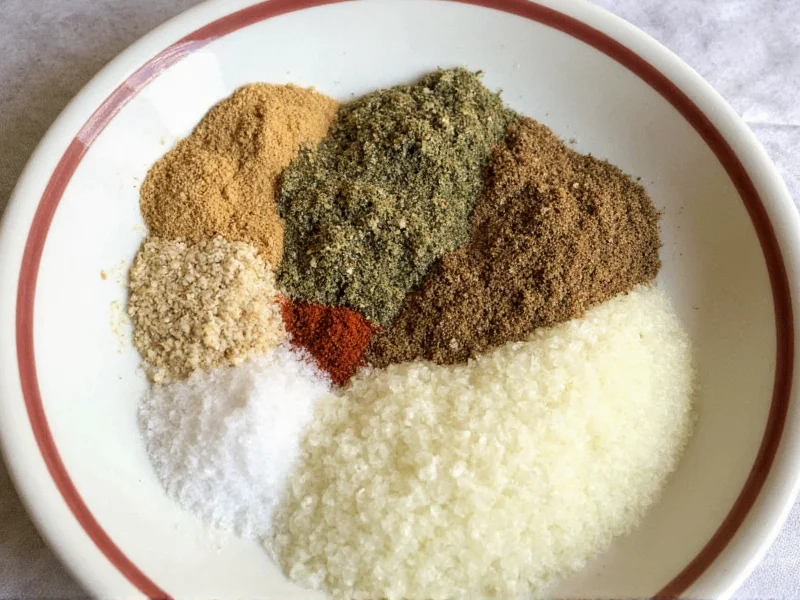
Understanding ranch seasoning ingredients helps home cooks create versatile flavor profiles without artificial additives. This dry spice blend transforms ordinary dishes with its signature tangy, herbaceous taste. Let's explore the essential components that define authentic ranch seasoning and how they work together.
Core Components of Ranch Seasoning
Traditional ranch seasoning consists of dried ingredients that provide flavor, color, and texture. The absence of liquids distinguishes it from ranch dressing, creating a concentrated flavor profile perfect for seasoning meats, vegetables, and snacks.
| Ingredient | Typical Percentage | Primary Function |
|---|---|---|
| Buttermilk powder | 25-30% | Provides tangy base flavor |
| Dried parsley | 15-20% | Herbaceous freshness |
| Garlic powder | 10-15% | Savory depth |
| Onion powder | 10-15% | Sweet-savory complexity |
| Dried dill | 8-12% | Signature ranch flavor |
| Dried chives | 5-8% | Subtle onion note |
| Paprika | 3-5% | Color and mild heat |
| Salt | 15-20% | Flavor enhancer |
| Black pepper | 2-4% | Warmth and complexity |
Understanding Each Ingredient's Role
Buttermilk powder forms the foundation of authentic ranch seasoning ingredients, delivering that characteristic tang without moisture. When selecting buttermilk powder, choose a high-quality version with no added sugars for the most accurate flavor profile.
Dried herbs—particularly parsley, dill, and chives—provide the distinctive herbal notes. Many commercial blends use excessive fillers, but a quality homemade ranch seasoning recipe maintains a balanced herb ratio. Fresh herbs won't work in dry seasoning, as they require dehydration to prevent spoilage.
Garlic and onion powders contribute savory depth without the moisture of fresh versions. These allium derivatives undergo controlled dehydration to concentrate their flavors while maintaining shelf stability. The ratio between these two ingredients significantly impacts the final flavor profile.
Ranch Seasoning vs. Ranch Dressing: Key Differences
Understanding what's in ranch seasoning mix versus ranch dressing prevents recipe failures. While both share flavor profiles, their compositions differ significantly:
- Ranch seasoning contains only dry ingredients (herbs, spices, buttermilk powder)
- Ranch dressing includes liquids (buttermilk, sour cream, mayonnaise)
- Seasoning typically has 1/3 the sodium of prepared dressing
- Dry mix maintains quality for 6-12 months when stored properly
- One tablespoon of seasoning equals approximately 1/4 cup of dressing
The Evolution of Ranch Flavor: From Dressing to Seasoning
Ranch seasoning's development reflects changing consumer demands for convenience. Historical milestones include:
- Early 1950s: Steve Henson creates the original ranch dressing for his construction crew in Alaska (source: Smithsonian).
- 1954: The Hensons open Hidden Valley Ranch in California, serving the dressing to guests (source: Smithsonian).
- 1972: Clorox acquires Hidden Valley Ranch, launching the dry dressing mix nationally (source: Clorox Company History).
- 2016: Consumer demand for clean label products rises, with 60% seeking simpler ingredient lists (source: International Food Information Council).
- 2020: Plant-based dressing and seasoning sales grow 27% overall, with ranch flavor leading category innovation (source: Plant Based Foods Association).
Creating Your Own Homemade Ranch Seasoning
Producing ranch seasoning from scratch ensures control over ingredients and quality. This basic recipe yields enough for multiple uses:
Simple Homemade Ranch Seasoning Recipe
- 1/4 cup buttermilk powder (dairy-free option: coconut milk powder)
- 2 tablespoons dried parsley
- 1 tablespoon garlic powder
- 1 tablespoon onion powder
- 2 teaspoons dried dill
- 1 teaspoon dried chives
- 1 teaspoon paprika
- 1 1/2 teaspoons fine sea salt
- 1/2 teaspoon black pepper
Mix all ingredients thoroughly in a bowl, then transfer to an airtight container. Store in a cool, dark place for up to 6 months. For best flavor development, let the mixture rest for 24 hours before use.
Dietary Variations and Adaptations
Modern ranch seasoning ingredients can accommodate various dietary needs without sacrificing flavor:
Gluten-Free Ranch Seasoning
Most commercial ranch seasonings are naturally gluten-free, but always verify labels. When making homemade versions, ensure all components—particularly buttermilk powder—are certified gluten-free if needed.
Dairy-Free Ranch Seasoning Alternatives
Replace buttermilk powder with:
- Coconut milk powder (adds subtle sweetness)
- Tangy nutritional yeast (1:1 ratio)
- Dehydrated yogurt powder (dairy-free versions available)
These dairy-free ranch seasoning alternatives maintain the tangy profile while accommodating dietary restrictions. The coconut milk powder version works particularly well in plant-based applications.
Consumer Sentiment: Why Ranch Reigns Supreme
Ranch seasoning's enduring popularity is reflected in consumer preferences. Market research shows:
- Ranch is the most popular salad dressing in the United States, preferred by 41% of consumers (source: Statista).
- 37% of consumers report using ranch seasoning as a versatile flavor enhancer for snacks and vegetables (source: Food Marketing Institute).
Practical Applications and Usage Tips
Understanding how to use ranch seasoning powder expands its culinary potential beyond salad dressing. This versatile blend enhances numerous dishes:
- Meat seasoning: Rub on chicken, pork, or beef before cooking
- Vegetable enhancement: Toss with roasted vegetables
- Snack seasoning: Sprinkle on popcorn or roasted chickpeas
- Sauce base: Mix with Greek yogurt or sour cream for dip
- Baking addition: Incorporate into biscuit or scone recipes
For salad dressings, combine 2 tablespoons ranch seasoning with 1/2 cup buttermilk and 1/4 cup mayonnaise. Let the mixture rest for 30 minutes to allow flavors to meld before serving.
Avoiding Common Ranch Seasoning Mistakes
Even with the best ranch seasoning ingredients, improper usage can compromise results:
- Moisture exposure: Keep containers tightly sealed to prevent clumping
- Heat degradation: Avoid adding directly to high-heat cooking
- Overuse: Start with small amounts—flavors intensify during cooking
- Old ingredients: Discard blends showing color fading or aroma loss
- Incorrect substitutions: Don't replace buttermilk powder with liquid buttermilk in dry blends
Proper storage in amber glass containers extends shelf life while protecting flavor compounds from light degradation. For extended storage, keep ranch seasoning in the refrigerator or freezer.




 浙公网安备
33010002000092号
浙公网安备
33010002000092号 浙B2-20120091-4