
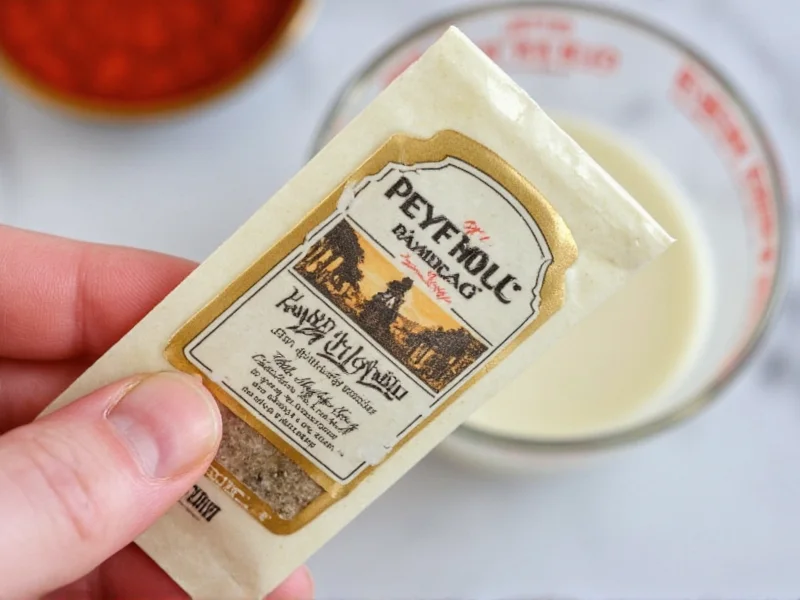
Understanding Ranch Dressing Seasoning Packets
Those small ranch dressing seasoning packets found near salad dressings contain a precisely measured dry spice blend designed to transform basic ingredients into creamy ranch dressing. While brands vary slightly, most single-serve packets contain approximately 2 tablespoons of seasoning mix weighing 0.3-0.5 ounces. The convenience factor makes them popular for quick dressing preparation, but understanding their composition helps maximize their versatility in the kitchen.
Ranch seasoning packets solve a specific problem: providing consistent flavor without requiring home cooks to measure multiple spices. Commercial food manufacturers developed these packets to replicate the popular Hidden Valley Ranch flavor profile that originated in California's Santa Barbara ranch country in the 1950s. Today, they've become pantry staples far beyond their original purpose.
Standard Ingredients in Ranch Seasoning Packets
Examining the ingredient list reveals what gives ranch its distinctive tangy, herbaceous flavor. While proprietary blends exist, most ranch seasoning packets contain these core components:
| Primary Ingredient | Function | Typical Amount per Packet |
|---|---|---|
| Salt | Flavor enhancer, preservative | 30-50% of mix |
| Garlic powder | Pungent backbone flavor | 10-15% of mix |
| Onion powder | Savory sweetness | 10-15% of mix |
| Dried parsley | Herbaceous note, color | 5-10% of mix |
| Dill weed | Signature ranch flavor | 5-10% of mix |
| Buttermilk solids | Tangy dairy element | 5-10% of mix |
| Spice extracts | Flavor consistency | Small amounts |
The precise ratios create that familiar ranch profile everyone recognizes. Some premium brands add additional elements like chives, black pepper, or citric acid for brightness. Understanding these components helps when modifying recipes or creating homemade versions.
Proper Usage Guidelines for Ranch Packets
Using ranch seasoning packets correctly ensures optimal flavor and texture. Many home cooks make the mistake of simply adding the dry mix to pre-made dressing, which creates an unbalanced product. Instead, follow these professional preparation methods:
Dressing Preparation
For classic pourable ranch dressing, combine one seasoning packet with:
- 1 cup buttermilk (essential for authentic tang)
- 1 cup mayonnaise (provides creaminess and stability)
Whisk thoroughly and refrigerate for at least 30 minutes before serving. The resting period allows the dried herbs to rehydrate and flavors to meld.
Dip Preparation
For thicker dip consistency, use one packet with:
- 1 cup sour cream (full fat works best)
- 2-3 tablespoons milk or buttermilk (adjust for desired thickness)
This creates the perfect party dip texture that holds its shape when scooping vegetables.
Creative Applications Beyond Basic Dressing
Seasoning packets offer versatility far beyond their intended purpose. Professional chefs frequently repurpose these convenient flavor blends in unexpected ways:
Cooking and Baking Enhancer
Add one packet to:
- 4 cups of mashed potatoes for herbaceous flavor
- 2 pounds of ground meat for flavorful burgers or meatloaf
- 16 ounces of cream cheese for quick party spread
Marinade Base
Create an excellent poultry marinade by combining one packet with:
- ½ cup olive oil
- ¼ cup lemon juice
- 2 tablespoons honey
This mixture works particularly well for chicken wings or baked chicken breasts.
Seasoning Rub
Mix one packet with 2 tablespoons olive oil to create a paste for:
- Rubbing on roasted vegetables before cooking
- Coating potatoes before air frying
- Seasoning popcorn kernels before popping
Creating Your Own Homemade Ranch Seasoning
When you need ranch seasoning but don't have a packet available, this homemade version replicates commercial blends while allowing customization. This recipe makes the equivalent of one standard seasoning packet:
Basic Homemade Ranch Seasoning
Combine these ingredients:
- 1½ teaspoons salt
- ½ teaspoon garlic powder
- ½ teaspoon onion powder
- ½ teaspoon dried parsley
- ¼ teaspoon dried dill weed
- ¼ teaspoon paprika (for color)
- ⅛ teaspoon black pepper
- ⅛ teaspoon dried chives (optional)
Store in an airtight container for up to 6 months. This blend works perfectly with the standard preparation ratios mentioned earlier.
Customization Options
Adjust this base recipe to create specialty variations:
- Light version: Reduce salt by 25% and add ¼ teaspoon citric acid for tang
- Spicy ranch: Add ⅛ teaspoon cayenne pepper or chipotle powder
- Herb-forward: Double the dill and parsley amounts
- Garlic ranch: Increase garlic powder to 1 teaspoon
Important Considerations When Using Ranch Packets
Several factors affect how ranch seasoning packets perform in your recipes:
Sodium Content Awareness
Most commercial ranch seasoning packets contain 300-500mg sodium per serving. If you're monitoring sodium intake, consider these strategies:
- Use low-sodium buttermilk and mayonnaise as your base
- Reduce the packet amount by 25% and supplement with extra herbs
- Look for specifically labeled "low sodium" packets
- Create your own blend using reduced-sodium ingredients
Dietary Restrictions
Standard ranch seasoning packets typically contain:
- Gluten: Most are naturally gluten-free, but check for shared facility warnings
- Dairy: Buttermilk solids mean they're not dairy-free (use coconut milk powder substitute)
- Vegan: Traditional packets aren't vegan due to dairy components
Shelf Life and Storage
Unopened ranch seasoning packets maintain quality for 12-18 months when stored in a cool, dry place. After opening a multi-serve container, transfer to an airtight container and use within 6 months for optimal flavor. Discard if you notice:
- Clumping or moisture inside the packet
- Faded color compared to fresh packets
- Musty or stale odor when opened
Frequently Asked Questions
How many tablespoons are in a ranch seasoning packet?
Most standard ranch dressing seasoning packets contain approximately 2 tablespoons (12 grams) of dry mix. This measurement provides the proper flavor concentration when combined with the recommended amounts of buttermilk and mayonnaise or sour cream.
Can I use a ranch packet to make dip without sour cream?
Yes, you can create ranch dip using alternatives to sour cream. Combine one ranch seasoning packet with 1 cup Greek yogurt for a protein-rich option, or use 1 cup mashed avocado for a dairy-free version. For vegan ranch dip, blend one packet with 1 cup soaked and drained cashews and 2-3 tablespoons plant-based milk.
What's the difference between ranch dressing mix and ranch seasoning mix?
Ranch dressing mix typically contains thickeners and additional ingredients to create pourable dressing directly when mixed with water, while ranch seasoning mix is a pure spice blend designed to be added to existing creamy bases like mayonnaise or sour cream. Seasoning mixes generally have simpler ingredient lists and more versatility in cooking applications.
How can I make ranch seasoning less salty?
To reduce saltiness in ranch seasoning, use only 75% of a packet and supplement with additional herbs. Alternatively, create your own blend using reduced-sodium ingredients, or balance the saltiness by adding a small amount of acid like lemon juice or vinegar to your finished dressing. When making dressing from scratch, increase the buttermilk quantity slightly to dilute the salt concentration.
Can I substitute ranch dressing for the dry mix packet?
Yes, but with adjustments. To replace one dry ranch seasoning packet, use ¼ cup prepared ranch dressing and reduce other liquids in your recipe by 2-3 tablespoons. Keep in mind that prepared dressing contains additional ingredients like oils and preservatives that may affect the final texture and shelf life of your dish compared to using the dry mix.




 浙公网安备
33010002000092号
浙公网安备
33010002000092号 浙B2-20120091-4