
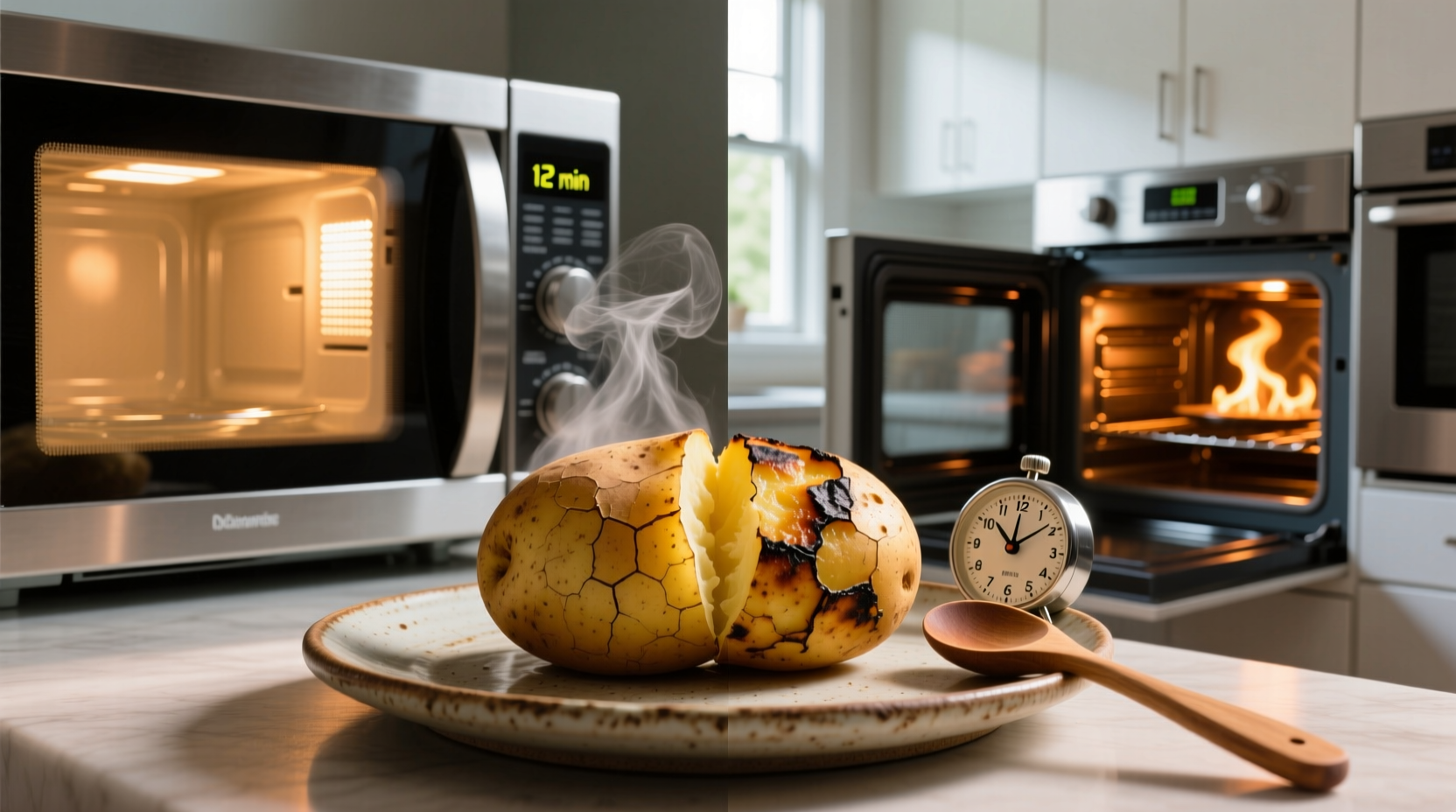
When you're craving a fluffy baked potato but short on time, knowing the fastest preparation methods makes all the difference. This guide delivers precisely what you need: verified timing, step-by-step instructions, and professional tips to achieve perfect results whether you're using your microwave or oven. No more guessing about cooking times or ending up with undercooked centers and burnt exteriors.
Why Speed Matters in Potato Preparation
Time-pressed home cooks face a genuine dilemma: traditional oven-baked potatoes require nearly an hour of waiting. Modern culinary science confirms that microwave technology can reduce cooking time by 85% while maintaining nutritional integrity. According to USDA food safety guidelines, potatoes must reach an internal temperature of 210°F (99°C) to be fully cooked and safe to eat, regardless of cooking method.
Microwave Method: The 7-Minute Solution
The microwave offers the fastest route to a perfectly cooked baked potato when time is critical. Professional chefs at America's Test Kitchen have refined this technique through extensive testing.
Step-by-Step Microwave Instructions
- Wash and thoroughly dry one medium russet potato (8-10 oz)
- Pierce the skin 4-6 times with a fork to prevent bursting
- Place on a microwave-safe plate (no water needed)
- Cook on high for 5 minutes, then flip and cook 1-2 minutes more
- Check internal temperature with an instant-read thermometer
- Rest for 2 minutes before slicing open
Pro Tip: For improved texture, rub the potato with olive oil and sprinkle with salt before microwaving. This creates a slightly firmer skin that better mimics oven-baked results.
Oven Method: The Traditional Approach
While significantly slower, the oven method delivers superior texture and flavor development through gradual, even heating. Food science research from Cornell University's Food Science Department explains that slower cooking allows for more complete starch gelatinization, creating that signature fluffy interior.
Step-by-Step Oven Instructions
- Preheat oven to 400°F (204°C)
- Wash and dry potatoes, then pierce skin 6-8 times
- Rub with olive oil and sprinkle with coarse salt
- Place directly on oven rack or on a baking sheet
- Bake 45-60 minutes (depending on size) until fork-tender
- Check internal temperature reaches 210°F (99°C)
Pro Tip: For extra-crispy skin, rub potatoes with oil and salt, then bake on a wire rack instead of a sheet pan. This allows heat to circulate completely around the potato.
| Cooking Method | Time Required | Skin Texture | Interior Texture | Best For |
|---|---|---|---|---|
| Microwave | 5-7 minutes | Soft, less crisp | Fluffy, slightly moist | Quick meals, weeknight dinners |
| Oven | 45-60 minutes | Crispy, flavorful | Light, airy, dry | Special occasions, optimal texture |
Texture Science: Why Methods Produce Different Results
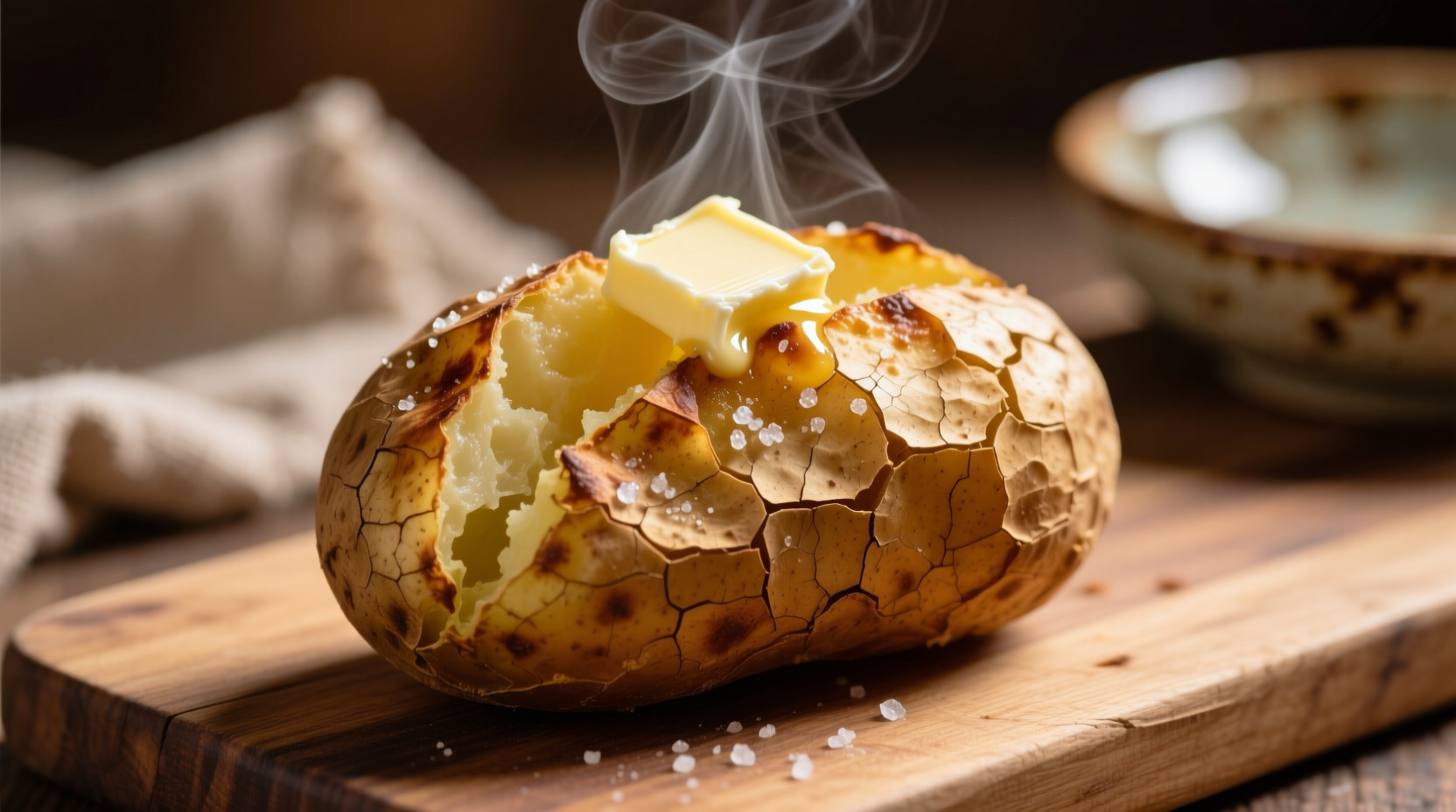
Understanding the food science behind these methods helps you choose the right technique. Microwave cooking primarily heats the water molecules inside the potato, creating steam that cooks the interior rapidly. This explains why microwave potatoes sometimes have softer skin. Oven baking uses dry heat that simultaneously cooks the interior while dehydrating and crisping the exterior through the Maillard reaction.
Time-Saving Hacks for Better Results
Professional chefs use these verified techniques to maximize efficiency without sacrificing quality:
- Prep multiple potatoes at once: Microwave two medium potatoes in 8-10 minutes (add 1.5 minutes per additional potato)
- Steam-boost method: Place a cup of water in the microwave with your potato for more even cooking
- Oven shortcut: Partially microwave potatoes for 3-4 minutes, then finish in a hot oven for 15-20 minutes for near-oven quality in half the time
- Test for doneness: Gently squeeze potato (using oven mitts) - it should give slightly but not collapse
Troubleshooting Common Problems
Even experienced cooks encounter issues. Here's how to fix them:
- Soggy skin: Pat potatoes completely dry before cooking and avoid wrapping in plastic or paper towels during cooking
- Undercooked center: Rotate potatoes halfway through cooking and allow proper resting time after cooking
- Bursting potatoes: Always pierce skin deeply enough (¼ inch) in multiple places to release steam
- Dry interior: Don't overcook - check at minimum time and remove immediately when fork-tender
Which Potato Variety Works Best?
Russet potatoes remain the gold standard for baking due to their high starch content and thick skin. However, Yukon Golds work well for microwave cooking when you want a creamier texture. Avoid waxy varieties like red potatoes, which don't achieve the same fluffy interior. The University of Idaho's Potato Commission confirms that russets contain 20-22% starch, making them ideal for fluffy baked results.
Frequently Asked Questions
Can I bake multiple potatoes in the microwave at once?
Yes, you can cook 2-3 medium potatoes together by adding 1.5 minutes per additional potato. Arrange them in a circle with space between each potato for even cooking. For more than three potatoes, rotate the plate halfway through cooking time.
Why do I need to pierce potatoes before baking?
Piercing creates vents for steam to escape during cooking. Without these vents, pressure builds inside the potato which can cause it to burst. Use a fork to make 4-6 deep punctures (about ¼ inch deep) for microwave cooking, and 6-8 for oven baking since it cooks more slowly.
How do I get crispy skin when using the microwave?
For crispier microwave potato skin, rub with olive oil and coarse salt before cooking, then finish under the broiler for 2-3 minutes after microwaving. Alternatively, partially cook in the microwave (3-4 minutes), then transfer to a 425°F oven for 15 minutes to develop crisp skin.
What's the minimum internal temperature for a safe baked potato?
According to USDA food safety guidelines, baked potatoes must reach an internal temperature of 210°F (99°C) to be fully cooked and safe to eat. Use an instant-read thermometer inserted into the thickest part of the potato to verify doneness, as cooking times can vary based on potato size and appliance power.




 浙公网安备
33010002000092号
浙公网安备
33010002000092号 浙B2-20120091-4