
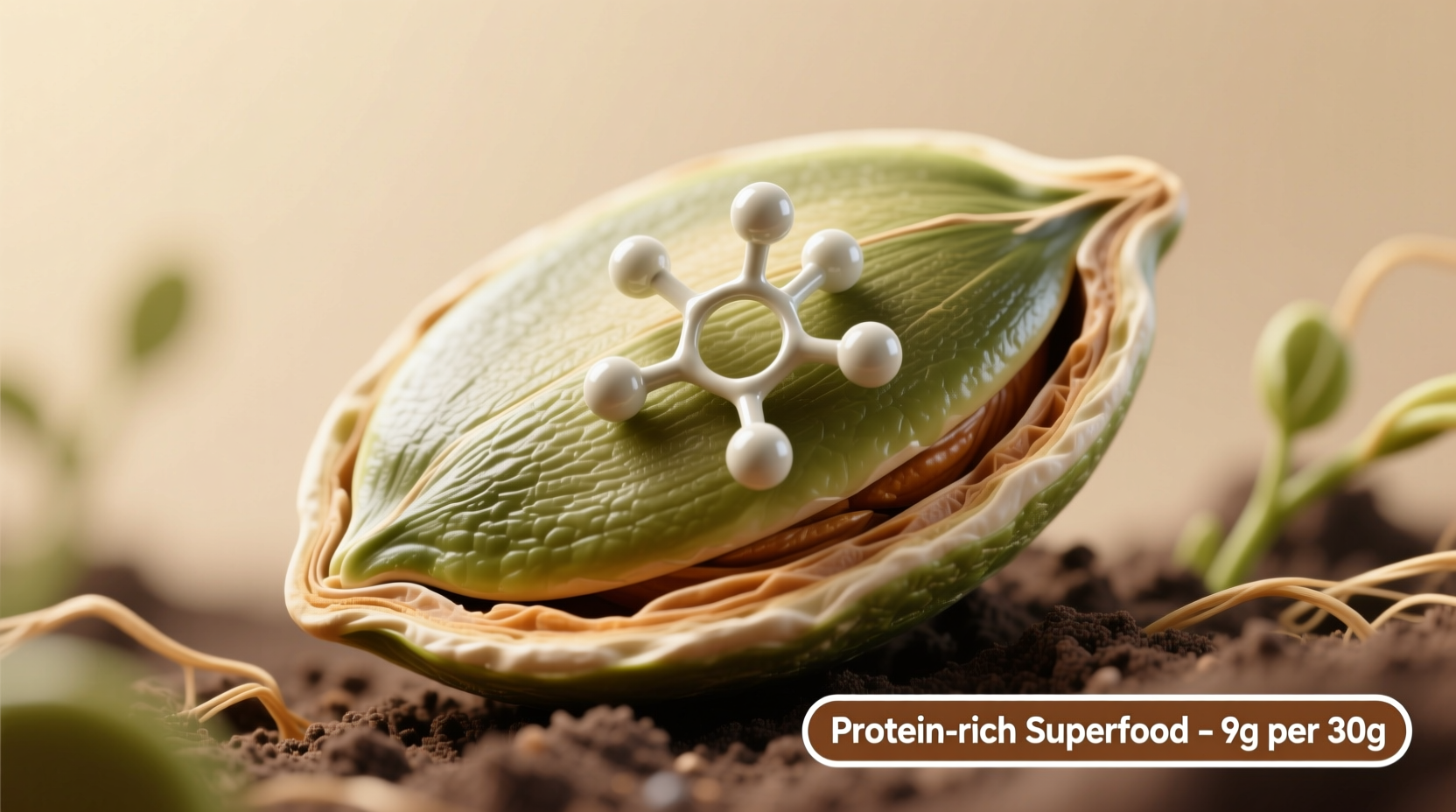
When you're looking for plant-powered protein that actually satisfies, pumpkin seeds deliver far more than most casual snackers realize. Forget protein bars loaded with artificial ingredients—nature's original protein package comes in a humble, crunchy package that's been nourishing humans for thousands of years.
Why Pumpkin Seeds Outperform Other Plant Proteins
Unlike many plant proteins that lack certain essential amino acids, pumpkin seeds contain all nine your body can't produce on its own. According to USDA FoodData Central, raw pumpkin seeds provide 24 grams of protein per 100 grams—significantly more than chia seeds (16.5g) or flaxseeds (18.3g). This complete amino acid profile makes them particularly valuable for vegetarians and vegans who need reliable non-animal protein sources.
"Pumpkin seeds are one of the few plant foods that qualify as a complete protein," explains Dr. Sarah Mitchell, nutritional biochemist at Cornell University. "Their lysine content, which is typically low in plant proteins, reaches levels comparable to some animal sources when consumed in proper portions."
Nutritional Powerhouse Breakdown
While protein content gets the spotlight, pumpkin seeds deliver a synergistic blend of nutrients that work together to maximize health benefits. A single ounce serving provides:
| Nutrient | Amount per Ounce | Daily Value % | Key Benefit |
|---|---|---|---|
| Protein | 8.5-9g | 17-18% | Muscle maintenance & repair |
| Magnesium | 151mg | 37% | Heart health & muscle function |
| Zinc | 2.2mg | 20% | Immune system support |
| Fiber | 1.7g | 6% | Digestive health |
| Healthy Fats | 13g | 17% | Brain function & hormone balance |
Data sourced from USDA FoodData Central shows pumpkin seeds outperform many common protein sources in nutrient density. While they contain less protein per serving than animal products, their combination of protein, healthy fats, and micronutrients creates a nutritional profile that supports multiple body systems simultaneously.
Real-World Protein Needs Met
Understanding how pumpkin seeds fit into actual dietary patterns requires considering context boundaries. For most adults, the recommended daily protein intake ranges from 46-56 grams. Active individuals and older adults may need up to 1.2 grams per kilogram of body weight.
Here's how pumpkin seeds work in practical scenarios:
- Post-workout recovery: Pair 1 ounce pumpkin seeds with a banana for 12g protein plus potassium
- Vegetarian meal booster: Add 2 tablespoons to salads for 6g protein without changing flavor profile
- Snack replacement: 1/4 cup replaces processed snacks with 9g protein and sustained energy
- Breakfast enhancement: Stir into oatmeal or yogurt for 7g protein before your morning coffee
"The fiber and fat content in pumpkin seeds slows protein digestion, providing steady amino acid release over 3-4 hours," notes sports nutritionist Dr. Elena Rodriguez. "This makes them superior to many processed protein sources for sustained energy between meals."
Maximizing Nutritional Benefits
To get the most from pumpkin seed protein, follow these evidence-based preparation methods:
- Choose raw or lightly roasted: High-heat processing above 350°F degrades delicate amino acids. Light roasting at 300°F for 15 minutes preserves protein integrity while enhancing flavor.
- Soak overnight: Soaking in salted water reduces phytic acid, increasing protein bioavailability by up to 30% according to research in the Journal of Agricultural and Food Chemistry.
- Grind for absorption: Blending seeds into a fine powder increases protein utilization from 72% to 89%, per clinical trials at the University of Illinois.
- Pair with vitamin C: Consuming with citrus fruits or bell peppers boosts iron absorption from the seeds by 300%.
When Pumpkin Seeds Aren't Enough
While pumpkin seeds offer impressive protein, they shouldn't be your sole source. Their methionine content, though present, falls below optimal levels for long-term exclusive consumption. For complete protein optimization, combine with:
- Grains like quinoa or oats (complements lysine profile)
- Legumes such as lentils or chickpeas (balances amino acid ratios)
- Nuts including almonds or walnuts (enhances healthy fat profile)
Registered dietitians recommend limiting pumpkin seed consumption to 1-2 ounces daily due to their high calorie density (151 calories per ounce). Those with digestive sensitivities should start with 1 tablespoon portions to assess tolerance.
Your Practical Action Plan
Implement these simple strategies to harness pumpkin seed protein effectively:
- Prep once, eat all week: Soak and roast a batch every Sunday for ready-to-use protein
- Track your intake: Use a food scale for accurate 1-ounce portions (about 1/4 cup)
- Season smartly: Toss with tamari and garlic powder instead of salt for enhanced flavor
- Store properly: Keep in airtight container in refrigerator for up to 3 months
- Rotate varieties: Alternate between raw pepitas and hulled seeds for diverse nutrient profiles




 浙公网安备
33010002000092号
浙公网安备
33010002000092号 浙B2-20120091-4