
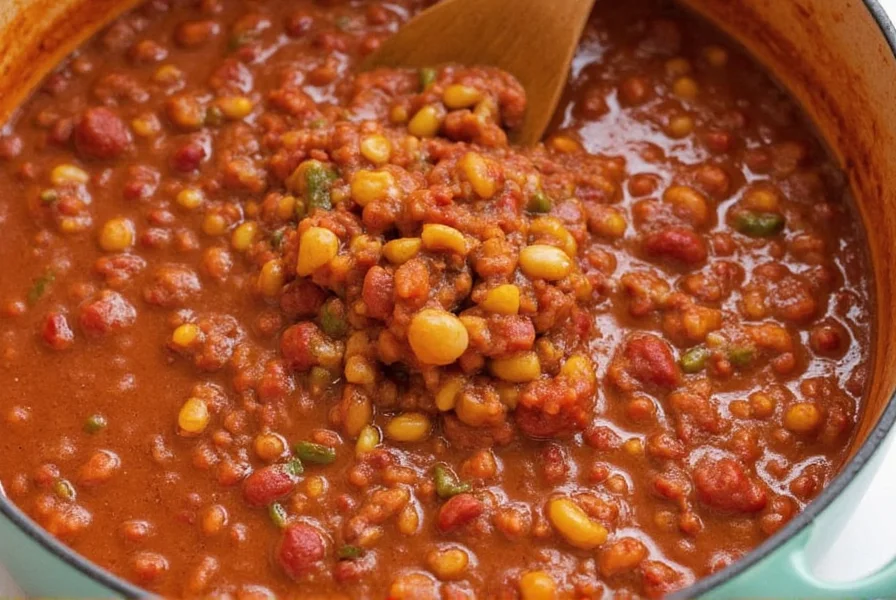
Creating championship-caliber chili requires understanding what separates good chili from competition-winning chili. While personal taste matters, chili competitions follow specific judging criteria that successful recipes consistently address. This guide reveals the techniques and recipes that have triumphed in regional and national chili competitions, with insights directly applicable to home cooking.
What Makes Chili Recipe Prize-Worthy
Chili competitions evaluate entries based on specific criteria that go beyond simple taste. Understanding these elements helps explain why certain recipes consistently win awards:
| Judging Criteria | Key Elements | Winning Recipe Approach |
|---|---|---|
| Flavor Balance | Spice level, sweetness, acidity, umami | Layered seasoning with controlled heat progression |
| Texture | Meat tenderness, bean consistency, overall mouthfeel | Precise cooking times and meat selection |
| Aroma | Complexity and appeal of scent | Strategic use of toasted spices and fresh ingredients |
| Appearance | Color, consistency, visual appeal | Rich mahogany color with balanced ingredient visibility |
| Originality | Creative elements within tradition | Subtle twists that enhance rather than distract |
Professional chili judges consistently emphasize that the most successful competition entries demonstrate mastery of fundamentals before introducing creative elements. "The best award-winning beef chili preparation starts with perfect execution of traditional techniques," explains Maria Rodriguez, a certified chili judge with 15 years of competition experience. "Only after mastering the basics should home cooks experiment with unique ingredients."
Evolution of Chili Competition Standards
Chili competitions have evolved significantly since the first cook-off. The International Chili Society's historical records show how judging criteria have shifted to emphasize technical execution:
- 1967: The original Terlingua International Chili Championship focuses primarily on heat tolerance with minimal structure.
- 1991: Formation of the International Chili Society (ICS) introduces standardized categories and formal judging criteria.
- 1995: ICS updates criteria to prioritize flavor balance and texture, reducing emphasis on spiciness.
- 2010: Introduction of vegetarian and specialty categories to reflect changing dietary preferences.
- 2020: Current rules mandate 12+ hours of resting and prohibit beans in Texas Red category.
Source: International Chili Society Historical Overview
Top 5 Competition-Proven Chili Recipes
Texas Red Championship Winner (Bean-Free)
This authentic Texas-style chili recipe won first place at the 2023 Lone Star Chili Championship. True to Texas tradition, it contains no beans, focusing instead on rich meat flavor and complex spice profile.
Ingredients:
- 3 lbs grass-fed chuck roast, cut into 1-inch cubes
- 4 oz Mexican chorizo
- 2 cups rich beef stock
- 3 dried ancho chilies, stems and seeds removed
- 2 dried guajillo chilies
- 1 dried pasilla chili
- 6 cloves garlic, roasted
- 1 tbsp cumin seeds, toasted
- 1 tsp Mexican oregano
- 1 small cinnamon stick
- Salt to taste
Preparation:
- Toast dried chilies in dry skillet until fragrant (about 30 seconds per side)
- Soak toasted chilies in hot water for 20 minutes
- Blend soaked chilies with garlic, cumin, oregano, and cinnamon to create smooth paste
- Sear meat in batches until deeply browned (critical for flavor development)
- Add chili paste and cook for 5 minutes, stirring constantly
- Pour in stock, bring to simmer, then cook covered at 275°F for 3 hours
- Skim excess fat, adjust seasoning, and rest overnight before serving
This championship chili recipe technique emphasizes the importance of proper searing and overnight resting, which allows flavors to fully integrate. The secret to this award-winning beef chili preparation lies in the careful balance of three different dried chilies, creating complex heat rather than overwhelming spiciness.
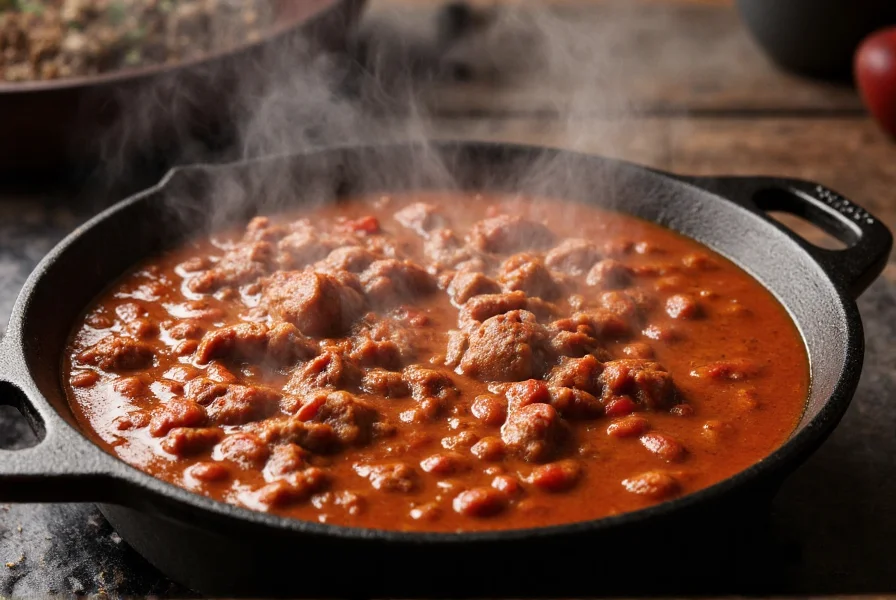
Cincinnati-Style Award Winner
This distinctive regional variation won top honors at the 2024 Queen City Chili Cook-Off. Cincinnati chili features unique Mediterranean-inspired spices and is traditionally served over spaghetti.
Key differentiators from standard chili recipes:
- Addition of cocoa powder and cinnamon for depth
- Tomato paste instead of whole tomatoes
- Finishing with apple cider vinegar for brightness
- Served over spaghetti with shredded cheddar
The secret technique that makes this one of the most reliable competition chili recipe techniques involves blooming the spices in warm oil before adding other ingredients, which maximizes flavor extraction.
Adapting Competition Recipes for Home Cooking: Context Boundaries
While competition chili follows strict guidelines, understanding where these rules apply (and where they don't) helps you prioritize techniques for home cooking:
- Texas Red Authenticity: ICS rules explicitly prohibit beans in Texas Red chili (ICS Competition Rules), but home cooks in regions like Cincinnati traditionally include beans without compromising quality.
- Serving Temperature Requirements: Competitions require entries to be held at 165°F until judging (ICS Rules), but for home consumption, the USDA states that hot foods should be kept at 140°F or above to prevent bacterial growth (USDA Safe Minimum Cooking Temperatures).
With these boundaries in mind, you can adapt prize-winning techniques for everyday cooking:
- Use a pressure cooker to reduce cooking time while maintaining flavor development
- Create smaller batches that still benefit from overnight resting
- Adjust heat levels to match your family's preferences while maintaining flavor balance
- Incorporate one competition technique at a time to avoid overwhelming complexity
"The most successful home versions of prize-winning chili recipes focus on 2-3 championship techniques rather than trying to replicate everything," advises culinary instructor Sarah Chen. "Master the spice blooming and proper searing first, then add other elements as you gain confidence."
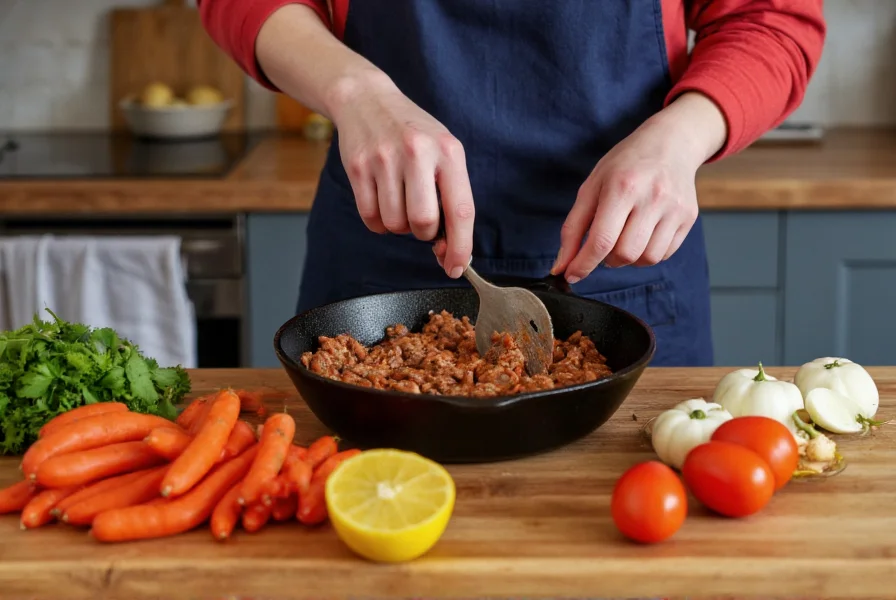
Essential Techniques from Championship Chili Makers
The Layering Method for Flavor Development
Professional chili makers use a specific sequence for adding ingredients that builds flavor complexity:
- Fat base: Render chorizo or bacon to create flavorful cooking medium
- Aromatics: Cook onions until deeply caramelized (not just softened)
- Dry spices: Bloom in fat for 1-2 minutes to release essential oils
- Liquid components: Add stock or tomatoes gradually
- Meat: Add after spices to prevent scorching
- Finishing acids: Add vinegar or citrus at the end to brighten flavors
This systematic approach to creating award-winning chili recipes ensures maximum flavor extraction from each component. "Most home cooks add everything at once, but the layering method is what separates ordinary chili from competition winners," notes James Wilson, three-time champion at the Terlingua International Chili Championship.
Avoiding Common Competition Mistakes
Many otherwise good chili recipes fail in competition due to preventable errors:
- Over-reliance on canned chili powder: Freshly toasted and ground spices create superior flavor
- Incorrect meat selection: Chuck roast provides ideal fat content; lean meats dry out
- Rushing the cooking process: True championship chili requires minimum 3 hours of slow cooking
- Adding sugar to mask flaws: Properly balanced recipes shouldn't need added sweetness
- Serving immediately: Overnight resting allows flavors to fully integrate
Final Tips for Making Award-Worthy Chili at Home
Whether you're entering competitions or simply want exceptional chili, these final insights from championship cooks will elevate your results:
- Always taste and adjust seasoning at multiple stages, not just at the end
- Keep a small bowl of finishing ingredients (vinegar, lime juice, hot sauce) to adjust before serving
- Use a kitchen thermometer to maintain consistent cooking temperatures
- Document your adjustments to refine your personal championship chili recipe
- Rest chili overnight—never serve competition chili the same day it's made
Creating truly exceptional chili combines technique, quality ingredients, and patience. By understanding what makes certain recipes consistently win awards, you can apply these principles to develop your own standout chili that might just earn you first place at your next cook-off—or at least impress everyone at your dinner table.
Frequently Asked Questions
What's the secret ingredient in competition chili recipes?
Many championship chili makers use unexpected ingredients like espresso powder, dark chocolate, or even a splash of bourbon to add complexity without being detectable. The real "secret" is proper technique—especially spice blooming and controlled cooking temperatures—rather than any single mysterious ingredient.
How do I make my chili less spicy without losing flavor?
To reduce heat while maintaining flavor in award-winning chili recipes, add acidity (like lime juice or vinegar) rather than dairy or sugar. Acid balances heat without masking other flavors. You can also remove some of the chili liquid and replace it with additional stock. For future batches, toast your dried chilies for shorter periods, as longer toasting increases perceived heat.
Why do competition chili recipes require overnight resting?
Overnight resting allows flavors to fully integrate and meld together. During this time, complex chemical reactions continue to develop, mellowing harsh notes and creating more rounded flavor profiles. Professional chili makers universally agree that properly rested chili tastes significantly better than freshly made chili, which often has disjointed, separate flavors.
Can I make prize-winning vegetarian chili?
Absolutely. The 2023 National Vegetarian Chili Championship winner used a combination of three different mushrooms, roasted poblano peppers, and textured vegetable protein to create meat-like texture. The key is developing umami depth through ingredients like tomato paste, soy sauce, and smoked paprika, while maintaining the same attention to spice balance as meat-based recipes.




 浙公网安备
33010002000092号
浙公网安备
33010002000092号 浙B2-20120091-4