
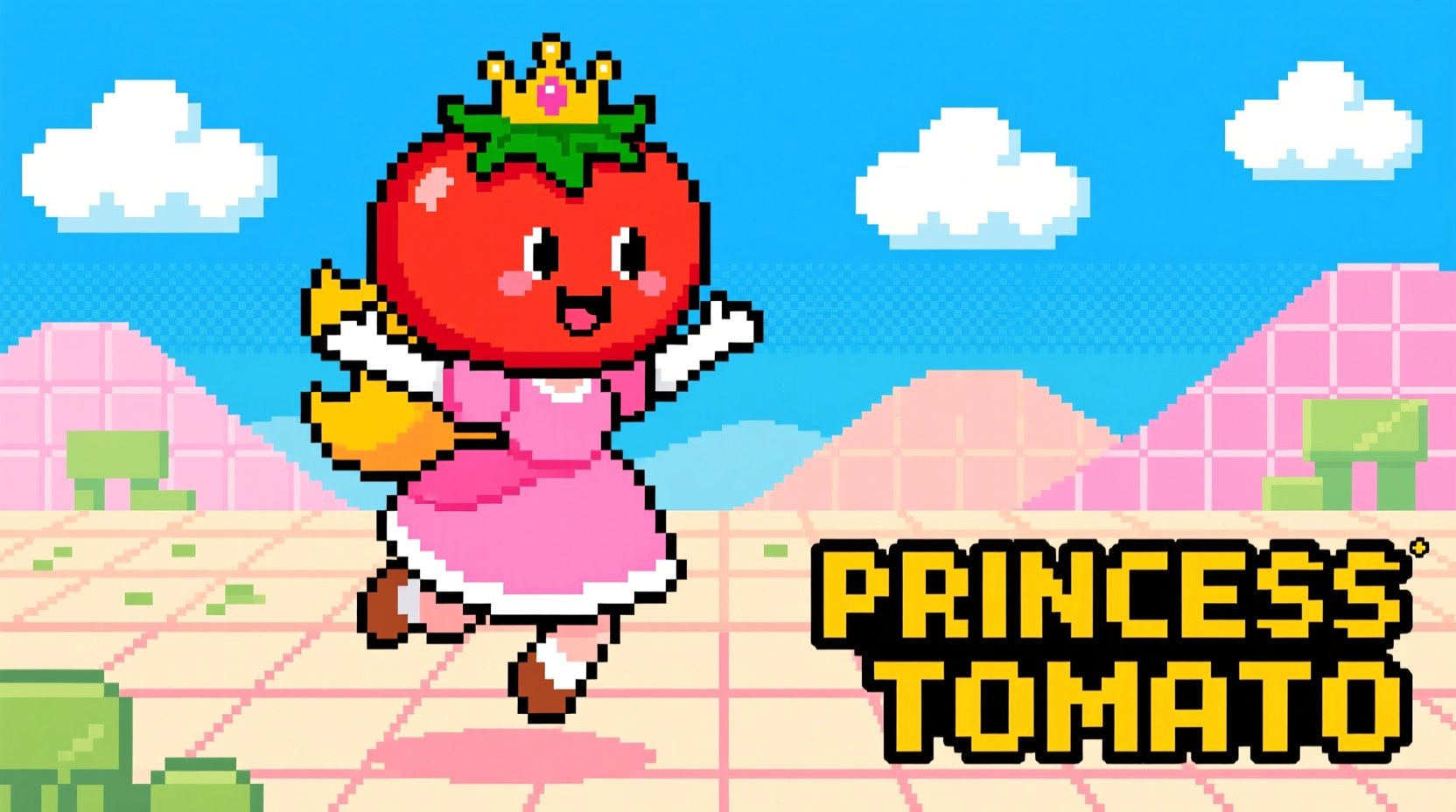
Discover why Princess Tomato NES remains a cult classic among retro gaming enthusiasts. This comprehensive guide reveals everything you need to know about this unique 1980s title—from its unusual development history to practical tips for modern players. Whether you're a collector seeking authentic cartridges or a newcomer curious about vintage gaming history, you'll find actionable insights to enhance your experience with this vegetable-themed adventure.
The Unexpected Origins of Princess Tomato NES
Released in Japan as Salad no Kuni no Princess Tomato (Princess Tomato in the Salad Kingdom) in 1984, this Hudson Soft title pioneered several gaming concepts that would become industry standards. Unlike typical NES RPGs of the era, Princess Tomato blended adventure game exploration with turn-based combat mechanics in a whimsical vegetable-themed world.
What makes this title particularly fascinating is its dual identity. While Japanese players experienced it as a standalone adventure title, North American audiences encountered it in 1988 as part of Nintendo's educational "Video Whiz Kid" series—repackaged with supplementary learning materials about basic computer programming concepts. This strategic repositioning helped the game bypass the post-crash skepticism surrounding pure entertainment titles in the American market.
| Release Version | Platform | Year | Unique Features |
|---|---|---|---|
| Japanese Original | Famicom | 1984 | Full-color anime cutscenes, standalone adventure |
| North American Release | NES | 1988 | "Video Whiz Kid" educational packaging, simplified controls |
Gameplay Mechanics That Stood the Test of Time
Princess Tomato NES gameplay combines exploration with strategic combat in ways that still feel fresh today. As Prince Ahab, players navigate the Salad Kingdom to rescue Princess Tomato from the evil Onion Wizard. The game's distinctive features include:
- Vegetable-themed enemy roster featuring Carrot Knights, Lettuce Lancers, and Radish Riders
- Turn-based combat system with timing-based attack execution
- Animated cutscenes that were technically impressive for 1984 hardware limitations
- Multiple solution paths for overcoming obstacles and puzzles
What truly set Princess Tomato NES apart was its narrative presentation. While most contemporaries used static text screens, this title featured fully animated sequences that advanced the story—something rarely seen in early console gaming. The distinctive anime-style visuals, created by legendary animation studio Tokyo Movie Shinsha, gave the game cinematic quality that captivated players.
Where Princess Tomato NES Fits in Gaming History
Understanding the historical context of Princess Tomato NES reveals why it remains significant decades later. Consider this timeline of key developments:
- 1983: Hudson Soft begins development, experimenting with animated storytelling on limited hardware
- 1984: Japanese Famicom release establishes new standards for narrative presentation
- 1985-1987: Nintendo studies the game's success while rebuilding the North American market
- 1988: Strategic re-release as educational software bypasses market skepticism
- 2000s: Emergence of emulation communities preserves the title for new generations
The game's influence extends beyond its initial release. Elements of Princess Tomato NES gameplay mechanics can be seen in later titles like Final Fantasy and Dragon Quest. Its approach to blending educational content with entertainment paved the way for future "edutainment" titles, while its vegetable-themed universe inspired numerous indie developers to explore unconventional game settings.
Playing Princess Tomato NES Today: Practical Guide
Modern players have several options to experience this classic title. Here's what you need to know about current availability:
- Original hardware: Authentic NES cartridges typically sell for $150-$300 depending on condition
- Virtual Console: Available on Wii Shop Channel (discontinued) but accessible through Wii U eShop
- Emulation: Legal options include RetroArch with authorized ROMs from Nintendo Switch Online
- Modern re-releases: Included in the 2023 "Hudson Collection" for Nintendo Switch
For the most authentic Princess Tomato NES experience, seek out the Japanese Famicom version through official Nintendo re-releases. The original localization made significant changes to gameplay mechanics and story elements that diminish the intended experience. Modern collections preserve the vibrant color palette and smooth animation that defined the Japanese release.
When playing today, remember that the game's difficulty curve reflects 1980s design principles. Save frequently using the in-game password system, and don't be discouraged by the initial learning curve—many contemporary reviewers noted that mastering Princess Tomato NES combat mechanics provides immense satisfaction once understood.
Why Collectors Value This Retro Gem
Princess Tomato NES holds special significance in gaming history for several reasons that explain its growing collector value:
- Represents an early fusion of anime aesthetics with console gaming
- Demonstrates innovative use of limited NES hardware capabilities
- Serves as a historical artifact of Nintendo's strategic market re-entry
- Features rare collaboration between Hudson Soft and major animation studio
According to the Video Game History Foundation archives, fewer than 50,000 copies of the North American release were distributed, making complete-in-box versions particularly valuable. The game's educational repositioning created unique packaging variations that collectors actively seek—especially the "Video Whiz Kid" edition with supplementary programming manuals.
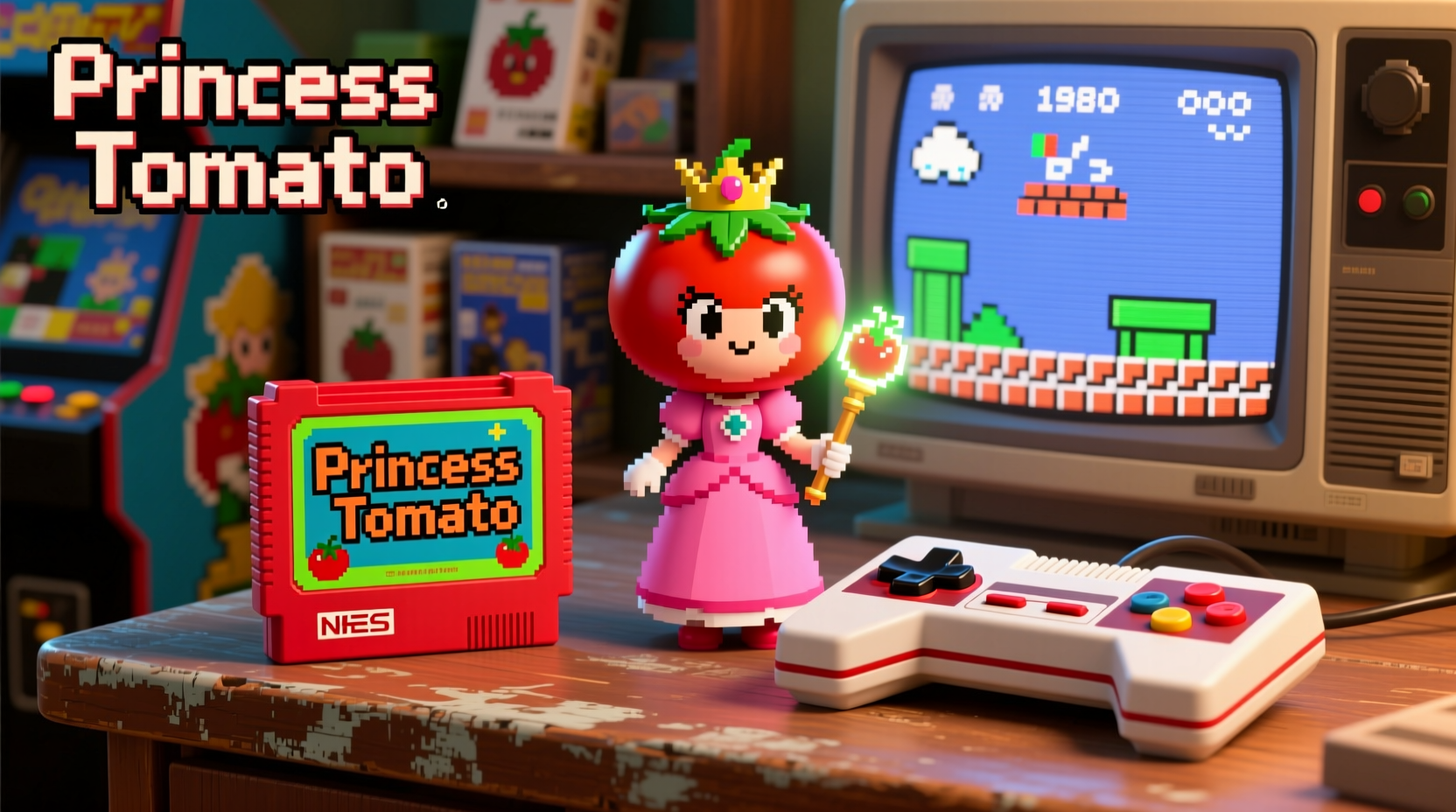
When evaluating Princess Tomato NES cartridges for collection purposes, check for the distinctive red cartridge shell (unusual for NES titles) and verify the presence of the "Hudson" logo on both cartridge and label. Authentic copies will have "TM" symbols properly placed near copyright information—a common point of failure in reproduction cartridges.




 浙公网安备
33010002000092号
浙公网安备
33010002000092号 浙B2-20120091-4