
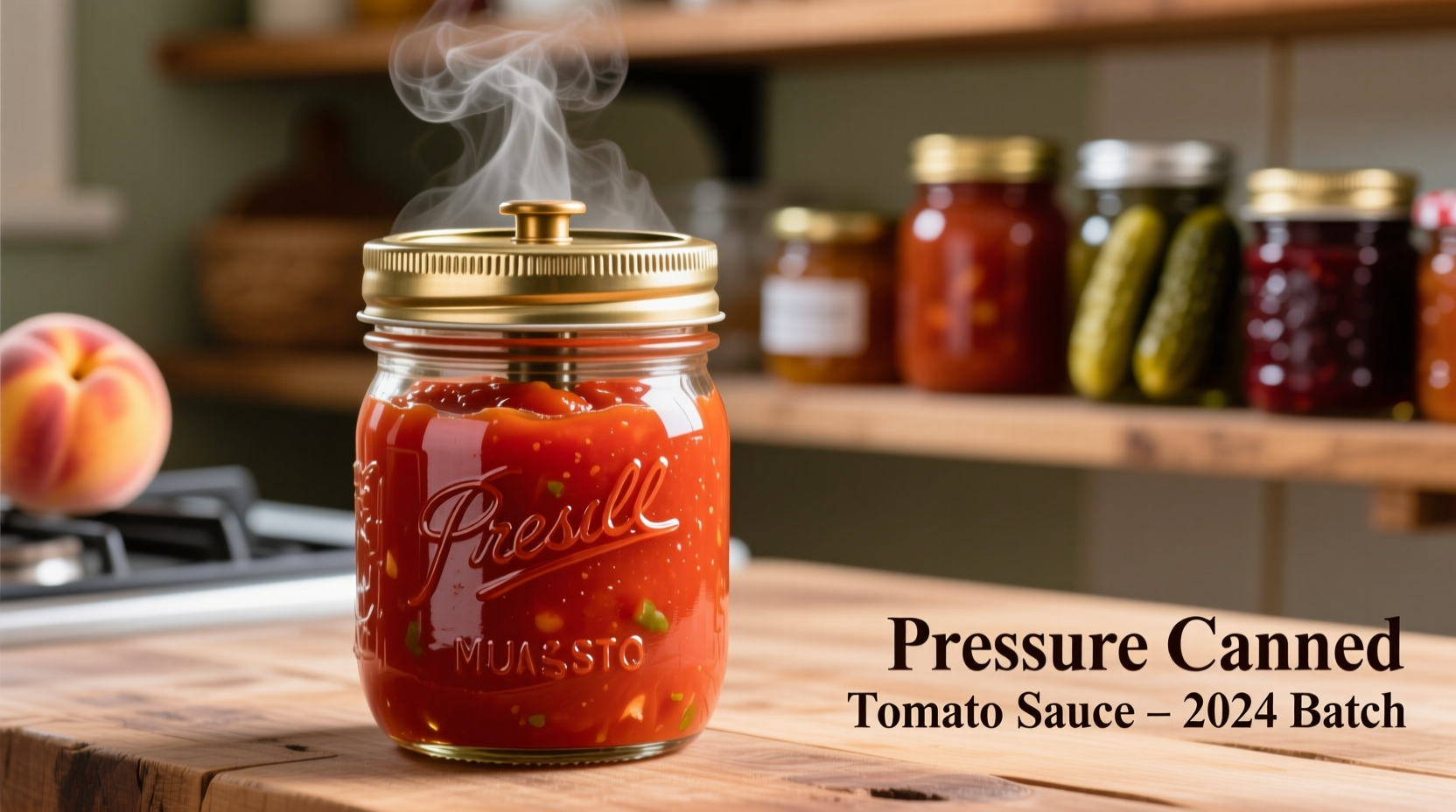
Pressure canning tomato sauce is essential for safe preservation because tomatoes fall into a borderline pH range (4.1-4.6) where botulism risk exists, especially when adding low-acid ingredients like vegetables or meat. Unlike water bath canning, pressure canning reaches 240°F (116°C) needed to destroy Clostridium botulinum spores. Follow USDA guidelines: process pints 25 minutes and quarts 30 minutes at 10-11 PSI (adjusting for altitude), always using tested recipes with proper acidification.
Why Pressure Canning Is Non-Negotiable for Tomato Sauce
Many home canners mistakenly believe tomato sauce can be safely processed in a water bath canner. This dangerous misconception stems from tomatoes' natural acidity—but modern hybrid varieties have higher pH levels than heritage types. The National Center for Home Food Preservation confirms that even with lemon juice or citric acid added, pressure canning remains the only universally safe method when:
- You're adding low-acid ingredients (onions, carrots, meat)
- Using newer tomato varieties with unpredictable acidity
- Canning at elevations above 1,000 feet
| Canning Method | Temperature Achieved | Destroys Botulism Spores? | USDA Recommendation for Tomato Sauce |
|---|---|---|---|
| Water Bath Canning | 212°F (100°C) | No | Only for high-acid recipes with strict pH testing |
| Pressure Canning | 240°F+ (116°C+) | Yes | Required for all tomato sauces with added ingredients |
Your Pressure Canning Equipment Checklist
Before starting, verify your equipment meets current safety standards. The USDA's 2023 Canning Guidelines specify:
Pressure Canner Requirements
- Dial gauge canners: Must be tested annually for accuracy (most extension offices provide this free service)
- Weighted gauge canners: Use 5, 10, or 15-pound weights—never mix weight types
- Minimum capacity: Hold at least 4 quart jars with 1-2 inches between them and sides
Step-by-Step Pressure Canning Process
Pre-Processing Preparation (20 Minutes)
- Wash jars in hot soapy water or dishwasher
- Keep jars hot until filling (prevents thermal shock)
- Prepare tomato sauce using tested recipe (USDA recommends adding 1 tbsp bottled lemon juice per pint)
- Fill jars with 1/2 inch headspace—critical for proper seal formation
Processing Sequence (Follow Exactly)
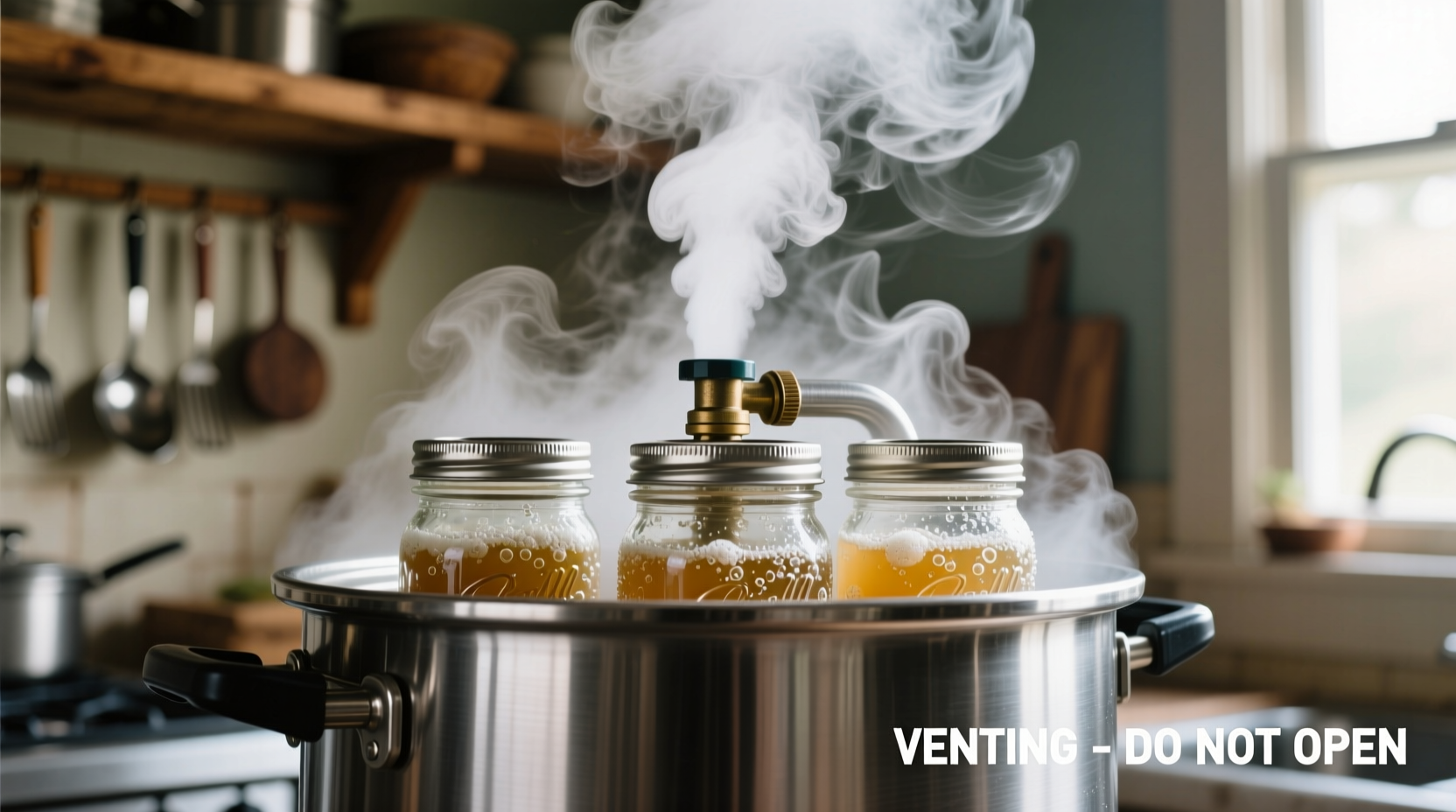
- Vent steam for 10 full minutes before applying weight/sealing
- Adjust pressure to 10 PSI (sea level) or 11 PSI (251-1,000 ft)
- Maintain steady pressure for entire processing time
- Turn off heat and wait for pressure to return to zero naturally
- Wait 10 minutes after pressure release before opening lid
Troubleshooting Common Pressure Canning Issues
Siphoning (Liquid Loss During Processing)
Caused by:
- Rapid pressure changes
- Overfilling jars
- Insufficient venting time
Solution: Always vent 10 minutes, maintain steady pressure, and leave proper headspace. Liquid loss doesn't necessarily mean spoilage if seals are good, but reduces shelf life.
Failed Seals
Check these common culprits:
- Chipped jar rims
- Improperly cleaned sealing surfaces
- Over-tightened bands
- Temperature fluctuations during cooling
Safe Recipe Customization Guidelines
You can safely modify tomato sauce recipes within these boundaries:
| Ingredient | Maximum Safe Addition | Required Acidification |
|---|---|---|
| Onions | 1 cup per gallon | +1/2 cup lemon juice per gallon |
| Carrots | 1/2 cup per gallon | +1/4 cup citric acid per gallon |
| Meat | 1 lb per gallon | Must use pressure canning only |
Never add thickeners like flour or cornstarch before canning—these create anaerobic environments where botulism thrives. Thicken sauces only when reheating for serving.
Storage and Safety Verification
After processing:
- Wait 24 hours before checking seals
- Store in cool, dark place (50-70°F)
- Consume within 18 months for best quality
Before using any canned product, verify safety by:
- Checking for bulging lids
- Observing for spurting liquid when opening
- Smelling for "off" odors (discard immediately if present)
- Boiling home-canned low-acid foods 10 minutes before tasting




 浙公网安备
33010002000092号
浙公网安备
33010002000092号 浙B2-20120091-4