
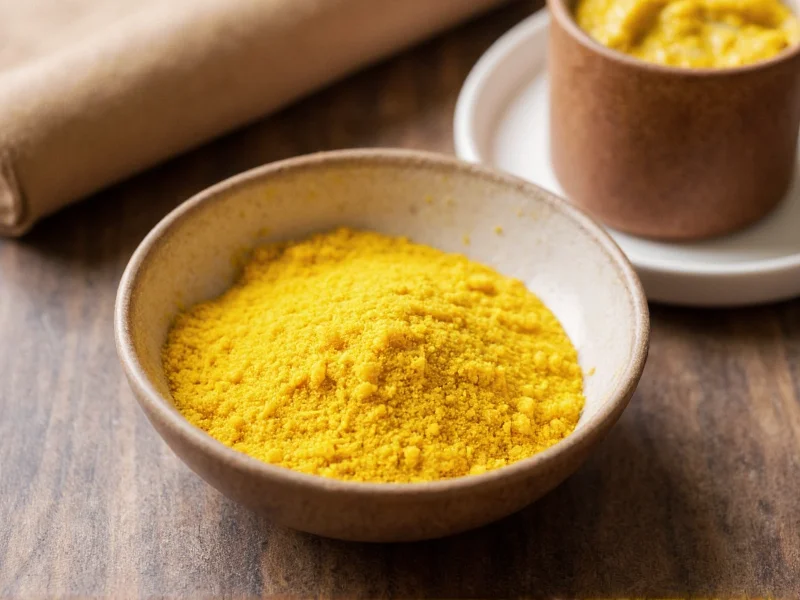
Understanding how to convert between prepared mustard and dry mustard is a valuable kitchen skill that can save recipes when you're missing an ingredient. Whether you're following a family recipe that calls for one form but you only have the other, or you're experimenting with flavors, knowing the proper conversion ensures your dishes maintain the intended taste and texture.
Understanding Mustard Types
Mustard comes in two primary forms that serve different culinary purposes. Prepared mustard is the familiar yellow, Dijon, or whole-grain condiment you find in jars. It's made by combining mustard seeds with vinegar, water, and other ingredients, then grinding them into a smooth or textured paste. Dry mustard, also called mustard powder, consists of finely ground mustard seeds with no added liquids.
The key difference lies in their moisture content and flavor concentration. Prepared mustard contains about 80% liquid, which dilutes the mustard's natural pungency. Dry mustard, being pure ground seeds, delivers a more intense flavor punch in a compact form. This fundamental difference explains why direct 1:1 substitutions don't work and why understanding the conversion ratio is crucial.
Conversion Ratios Explained
The standard conversion ratio between prepared mustard and dry mustard is 3:1. This means:
| Prepared Mustard | Dry Mustard Equivalent | Liquid to Add |
|---|---|---|
| 1 tablespoon | 1 teaspoon | 2 teaspoons |
| 1/4 cup | 1 tablespoon | 2 tablespoons |
| 1/2 cup | 2 tablespoons | 1/4 cup |
When substituting dry mustard for prepared mustard, remember to replace the liquid component. The "missing" liquid in dry mustard needs compensation to maintain your recipe's proper consistency. Water works for most applications, but vinegar, wine, or even lemon juice can enhance flavor depending on your dish.
When Substitutions Work Best
Not all recipes handle mustard substitutions equally well. Understanding when to use dry mustard instead of prepared mustard can make the difference between success and disappointment.
Ideal for substitution:
- Marinades and rubs (dry mustard blends well with other spices)
- Baking applications like cheese sauces or biscuits (dry mustard distributes evenly)
- Long-cooking dishes like stews and braises (dry mustard has time to rehydrate)
- Dressings where you control the emulsification process
Less ideal for substitution:
- Cold dressings that won't be emulsified
- Recipes relying on prepared mustard's specific texture
- Quick-cooking dishes with insufficient time for dry mustard to hydrate
- Recipes where the specific vinegar in prepared mustard is crucial to flavor
Practical Recipe Applications
Let's examine how this conversion works in real cooking scenarios:
Classic Macaroni Salad
A traditional macaroni salad recipe might call for 2 tablespoons of prepared mustard. Using our conversion ratio, you'd substitute with 2 teaspoons of dry mustard plus 4 teaspoons of liquid (vinegar works well here for tanginess). Whisk the dry mustard with the liquid first, allowing 5-10 minutes for it to rehydrate before adding to your salad. This prevents graininess and ensures even flavor distribution.
Beef Stew
For a hearty beef stew requiring 1/4 cup of prepared mustard, use 1 tablespoon of dry mustard. Since stews have ample liquid and long cooking times, simply sprinkle the dry mustard into the pot with other spices. The extended simmering allows complete hydration and flavor integration without pre-mixing.
Flavor Considerations in Substitution
Dry mustard offers a cleaner, more intense mustard flavor compared to prepared mustard, which contains additional ingredients that modify the taste. When substituting dry mustard for prepared mustard in recipes, consider these flavor adjustments:
- Dry mustard lacks the tang from vinegar in prepared mustard, so add 1/4 teaspoon of vinegar or lemon juice per teaspoon of dry mustard
- Prepared mustard often contains turmeric (for yellow mustard), so your substitution won't provide the same color
- Dry mustard's flavor intensifies over time, so you may want to start with slightly less and adjust after 15-20 minutes
- Sweetness levels differ - prepared mustard often contains sugar, so you might need to adjust sweeteners
Troubleshooting Common Substitution Problems
Even with the correct ratio, substitutions sometimes present challenges. Here's how to address common issues:
Grainy texture: This happens when dry mustard hasn't fully hydrated. Solution: Always mix dry mustard with liquid first and let it sit for 5-10 minutes before adding to your recipe. For cold applications, use warm liquid to help dissolution.
Too strong flavor: Dry mustard can be more pungent initially. Solution: Start with 3/4 of the recommended amount, then adjust after the dish has cooked for 15-20 minutes. The flavor will mellow as it integrates.
Missing tang: Prepared mustard's vinegar provides acidity that dry mustard lacks. Solution: Add 1/4 teaspoon of vinegar or lemon juice per teaspoon of dry mustard to replicate the tangy profile.
Storage and Shelf Life Considerations
Understanding the different shelf lives between these mustard forms helps with substitution planning. Prepared mustard typically lasts 1-2 years refrigerated after opening, while dry mustard maintains peak potency for 1-2 years in a cool, dark place. However, dry mustard gradually loses its pungency over time, so older containers may require slightly increased quantities for equivalent flavor.
When substituting older dry mustard, start with the standard ratio but be prepared to add an extra 1/4 teaspoon if the flavor seems weak after initial mixing. Always check your dry mustard's aroma before using - it should have a sharp, distinctive scent. If it smells faint or musty, it's time for a replacement.




 浙公网安备
33010002000092号
浙公网安备
33010002000092号 浙B2-20120091-4