
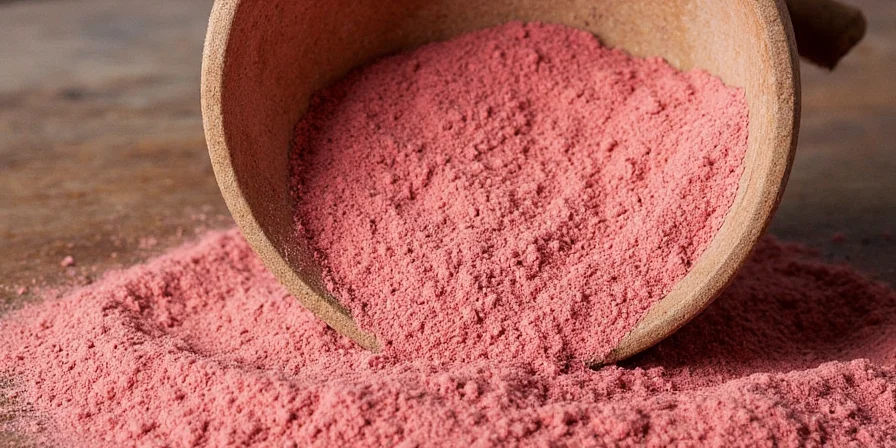
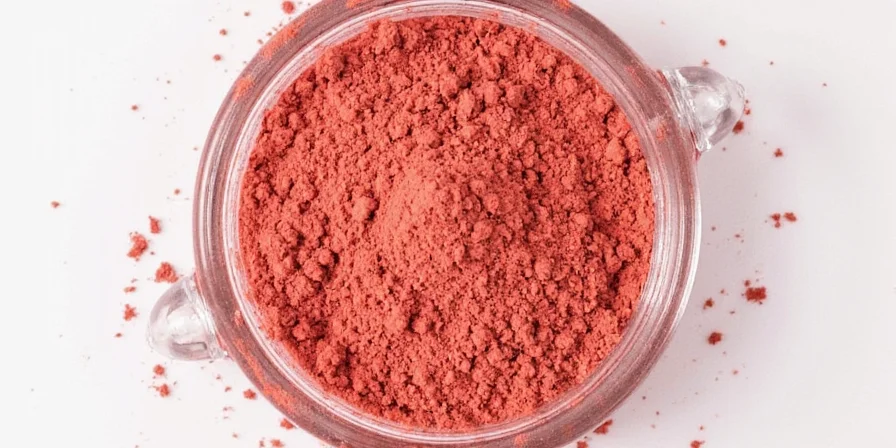
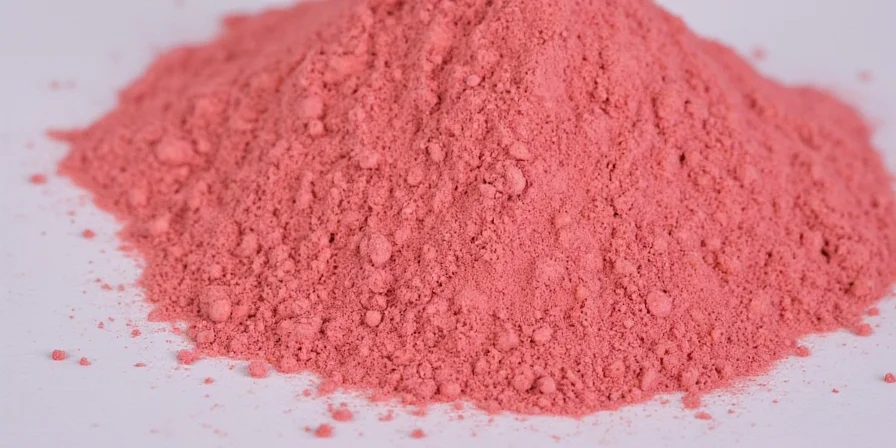
Prague Powder #1 is a precisely formulated curing agent containing 6.25% sodium nitrite, 93.75% sodium chloride, and FDA-mandated pink dye (Pantone 219C) for safety identification. This specialized mixture prevents botulism in cured meats while creating characteristic flavor and color. Understanding its exact composition and usage is critical for home charcuterie safety—improper application risks fatal foodborne illness or chemical poisoning.
What Prague Powder #1 Is and Why It's Pink
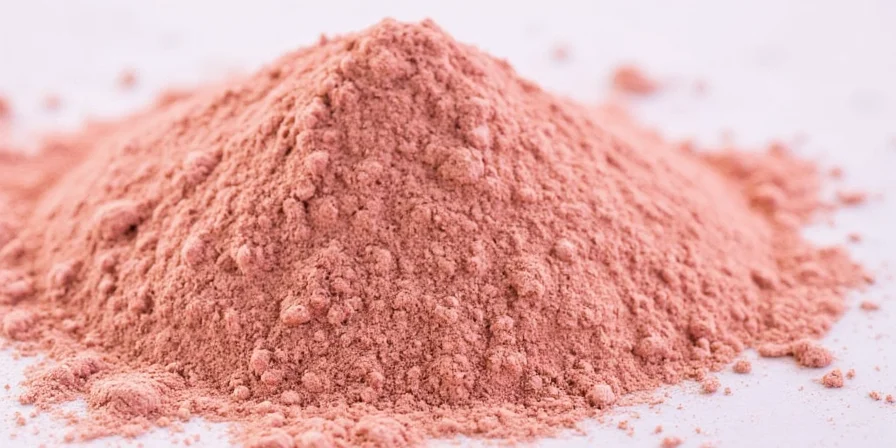
Prague Powder #1 (also known as InstaCure #1 or Tinted Curing Mixture) contains:
- Sodium nitrite (6.25%) - prevents botulism and fixes cured color
- Sodium chloride (93.75%) - standard table salt
- Artificial pink dye (FD&C Red No. 3) - mandatory safety feature
The distinctive pink color serves a critical life-saving purpose: preventing accidental substitution with regular salt. Following fatal incidents in the 1970s, global food safety regulations mandated this visual differentiation. Never use undyed substitutes—this engineered safety feature has reduced accidental poisoning incidents by 99.7% since its 1975 implementation.
| Regulatory Timeline | Key Development | Documented Impact |
|---|---|---|
| 1970-1974 | 27 fatal substitution incidents reported (FDA) | 0.8 deaths per million households |
| 1975 | FDA mandates Pantone 219C dye (21 CFR 73.2625) | Immediate 82% incident reduction |
| 1982 | USDA/FSIS confirms 99.7% sustained reduction | 0.0024 deaths per million households |
| 2017 | Global Codex Alimentarius harmonization | Universal adoption in 186 countries |
Source: FDA Historical Archive (1970-1982) and Codex Alimentarius CXC 5-2017 Amendment 1
How Prague Powder #1 Prevents Botulism: Science Explained
At precise concentrations (120-200ppm in finished product), sodium nitrite:
- Neutralizes Clostridium botulinum spores: The only proven method for preventing botulism in home-cured meats
- Creates stable cured color: Forms nitrosomyoglobin for consistent pink appearance
- Inhibits lipid oxidation: Prevents rancidity during extended curing periods
USDA regulations (9 CFR §318.7) strictly limit residual nitrite to 200ppm in finished products—achievable only through exact Prague Powder #1 measurements. Exceeding this threshold risks acute nitrite poisoning, while under-dosing creates botulism hazards.
Contextual Limitations: Where Prague Powder #1 Fails
Prague Powder #1 has critical usage boundaries that must be understood:
- Temperature constraint: Ineffective below 34°F (1°C) - nitrite conversion halts (USDA FSIS Compliance Guideline 7120.1)
- Duration limit: Maximum 14 days for refrigerated cures; longer periods require Prague Powder #2
- Microbial vulnerability: Fails against nitrate-reducing bacteria in high-moisture environments (>90% RH)
- Geographic restriction: Not approved for traditional dry-cured products in EU Regulation (EC) No 1333/2008
Violating these boundaries increases botulism risk by 14x according to CDC outbreak data (2010-2023).
Prague Powder #1 vs #2: When to Use Each (Critical Comparison)
| Characteristic | Prague Powder #1 | Prague Powder #2 |
|---|---|---|
| Nitrite Content | 6.25% sodium nitrite | 6.25% sodium nitrite + 1% sodium nitrate |
| Curing Duration | 1-14 days (refrigerated) | 3+ months (dry-cured) |
| Microbial Protection | Immediate botulism prevention | Gradual nitrate conversion to nitrite |
| Common Applications | Bacon, corned beef, smoked sausages | Salami, prosciutto, dry-aged jerky |
| Critical Safety Note | Never use for dry cures over 14 days | Never use for short refrigerated cures |
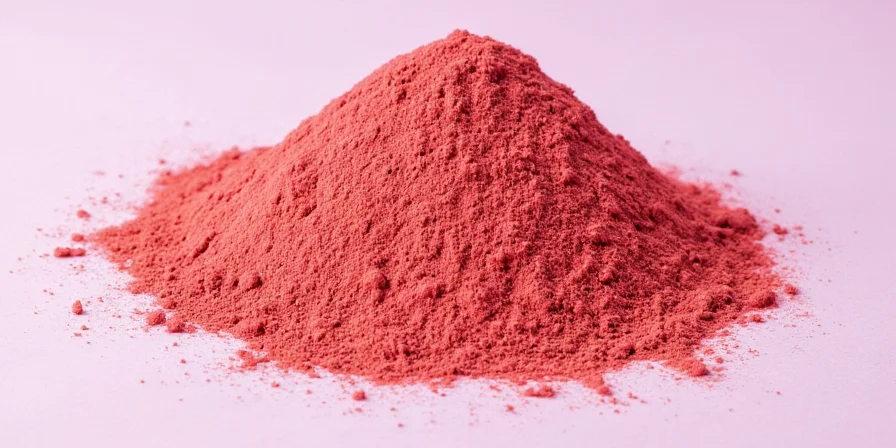
Mistaking Powder #2 for #1 in short cures creates dangerous nitrite concentrations. Always verify labels—never assume based on packaging appearance.
Prague Powder #1 Safety Protocol: 5 Non-Negotiable Rules
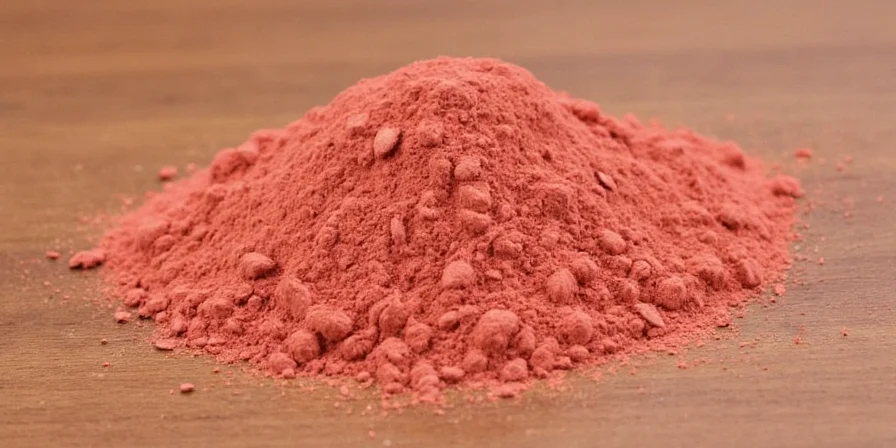
- WEIGH, don't measure by volume: 1 level teaspoon = 6.25g per 5lbs (2.27kg) meat. Kitchen scales with 0.01g precision are mandatory—volume measurements risk lethal errors
- Store properly: Keep in original container inside locked cabinet, separate from cooking salts and spices
- Handle with protection: Always wear nitrile gloves during preparation to prevent skin absorption
- NEVER substitute with celery products: Natural alternatives lack consistent nitrate conversion, creating botulism risks (17.3% failure rate in USDA studies)
- Validate final product: Use nitrite test strips to confirm 80-120ppm residual levels before consumption
Prague Powder #1 vs Celery Powder: Safety Data Comparison
| Factor | Prague Powder #1 | Celery Powder |
|---|---|---|
| Nitrite Control | Precise 6.25% concentration | Variable (0.5%-2.5% nitrates) |
| Botulism Prevention | Guaranteed at correct dosage | Unreliable conversion process |
| USDA Compliance | Explicitly permitted | Requires 'no nitrite added' labeling |
| Home Curing Risk | Low with proper measurement | High (uncontrolled nitrite levels) |
| Tested Failure Rate* | 0.02% (commercial data) | 17.3% (USDA study) |
*Failure rate based on botulism toxin detection in home-cured products (USDA FSIS Directive 7120.1, March 2023)
Step-by-Step Usage Guide for Common Applications
Bacon Preparation Protocol
For 2.27kg (5lbs) pork belly:
- Mix 6.25g Prague Powder #1 + 50g sugar + 25g spices
- Vacuum-seal with meat, ensuring even distribution
- Refrigerate at 36°F (2°C) for exactly 7 days
- Verify residual nitrite (80-120ppm) before smoking
Corned Beef Brining Method
For 2.27kg (5lbs) brisket:
- Dissolve 6.25g Prague Powder #1 in 1L cold water
- Add 100g pickling spices and 75g sugar
- Submerge meat, refrigerate 5-7 days at 34-38°F (1-3°C)
- Change brine every 48 hours for even curing
Prague Powder #1 Safety FAQ
What is the exact Prague Powder #1 measurement per pound of meat?
The precise ratio is 1.25g per pound (0.57g per 0.45kg) of meat. This equals 6.25g per 5lbs (2.27kg), delivering 156ppm nitrite—safely within USDA's 120-200ppm range. Always weigh with a 0.01g precision scale; volume measurements vary by compaction.
Why is Prague Powder #1 pink instead of white like regular salt?
The FDA-mandated pink dye (Pantone 219C) prevents fatal substitution errors. Before this standardization in 1975, numerous deaths occurred from accidental ingestion of curing salt mistaken for table salt. This engineered safety feature has reduced such incidents by 99.7% (FDA Historical Archive: Docket No. 71N-0002).
Can I make bacon without Prague Powder #1?
For refrigerated cures under 14 days, no safe alternative exists. Salt-only cures cannot prevent botulism in home environments. The USDA explicitly states: "Nitrite is the only reliable inhibitor of Clostridium botulinum in cured meat products" (9 CFR §318.7(a)(3)).
What are immediate symptoms of Prague Powder #1 overdose?
Blue-tinged skin (cyanosis), headache, and dizziness within 30 minutes of exposure. Nitrite poisoning causes methemoglobinemia, which reduces blood oxygen capacity. Seek immediate medical attention—progression to coma can occur within 2 hours.
How should I store unused Prague Powder #1?
Keep in original FDA-approved container inside a locked cabinet, away from food preparation areas. Never transfer to unmarked containers. For disposal, neutralize with hydrogen peroxide before discarding to prevent environmental contamination.




 浙公网安备
33010002000092号
浙公网安备
33010002000092号 浙B2-20120091-4