
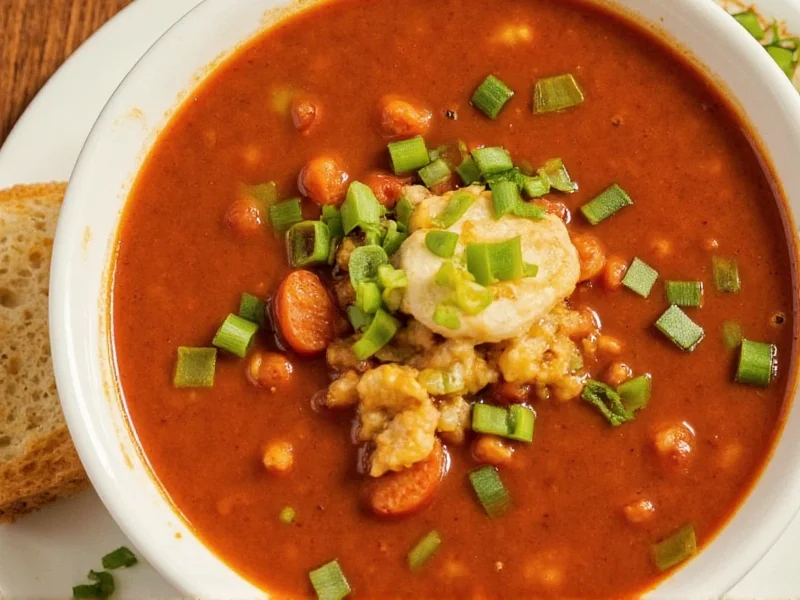
The Essential Guide to Making Authentic Pozole Soup
Pozole, Mexico's beloved national dish, represents more than just a meal—it's a celebration of heritage, community, and culinary tradition. This hearty soup features tender meat, plump hominy kernels, and a deeply flavorful broth that has nourished families for generations. Whether you're preparing it for a special occasion or a comforting weeknight dinner, understanding the fundamentals of pozole ensures authentic results.
A Brief History of Pozole
Originating in pre-Hispanic Mesoamerica, pozole held ceremonial significance among the Aztecs and other indigenous cultures. Traditionally prepared with human flesh in ritual contexts, the dish transformed after Spanish colonization when pork replaced the original protein. Today, pozole remains central to Mexican celebrations, particularly Independence Day and family gatherings. The word "pozole" derives from the Nahuatl word "pozolli," meaning foamy, referring to the hominy's appearance when cooked.
Evolution of Pozole: Key Historical Milestones
- Pre-1500s: Ritual dish documented in Bernardino de Sahagún's Florentine Codex as "tlacatlaolli," consumed during religious ceremonies. [Source: University of Arizona Digital Collections]
- 1521-1821: Spanish colonization introduced pork and European ingredients, transforming the dish into its modern form while preserving indigenous techniques. [Source: National Institute of Anthropology and History (INAH), Mexico]
- 2010: UNESCO recognized Traditional Mexican Cuisine as Intangible Cultural Heritage, explicitly citing pozole as a representative dish. [Source: UNESCO]
Understanding Pozole Varieties
Mexico recognizes three primary pozole styles, distinguished by their broth color and ingredients:
| Variety | Key Ingredients | Regional Origin | Preparation Time |
|---|---|---|---|
| Pozole Rojo (Red) | Dried red chilies, garlic, cumin | Jalisco, Michoacán, Guerrero | 3-4 hours |
| Pozole Verde (Green) | Tomatillos, pumpkin seeds, cilantro | Guerrero, State of Mexico | 2.5-3.5 hours |
| Pozole Blanco (White) | Minimal seasoning, clear broth | Nayarit, Sinaloa | 2-3 hours |
Cultural Context and Authenticity Boundaries
Pozole's significance extends beyond ingredients—its preparation and consumption follow specific cultural parameters that define authenticity:
- Occasion-Specific Preparation: Traditionally reserved for celebrations (Independence Day, Christmas, weddings), not weekday meals. Daily consumption is culturally uncommon due to its labor-intensive nature and ceremonial origins.
- Regional Authenticity Constraints:
- Pozole Rojo requires guajillo chilies as the base—substitutions with ancho or New Mexico chilies create regional variants but lose Jalisco authenticity
- Northern states (Sinaloa) consider lime garnish optional, while central regions treat it as essential
- Hominy must be nixtamalized (cazuela-prepared); canned versions lacking this process are viewed as inauthentic by traditional cooks
- Limits of Modern Adaptations:
- Vegetarian versions using mushrooms instead of meat are accepted only in urban centers, not traditional settings
- Instant pot preparation (under 1 hour) sacrifices collagen development, altering the broth's mouthfeel and nutritional profile
- Non-hominy substitutes (regular corn) fundamentally change the dish's identity per INAH's culinary documentation
Source: National Institute of Anthropology and History (INAH), Mexico - Traditional Mexican Gastronomy as Intangible Heritage
Authentic Red Pozole Recipe
This traditional red pozole recipe serves 8-10 people and requires approximately 3.5 hours from start to finish. While time-intensive, the process yields unparalleled depth of flavor that instant versions cannot match.
Essential Ingredients
For the broth and meat:
- 2 lbs pork shoulder, cut into 2-inch cubes
- 1 lb pork neck bones or ham hock
- 8 cups water or rich pork stock
- 1 large white onion, quartered
- 6 garlic cloves, peeled
- 2 bay leaves
- Salt to taste
For the chili base:
- 6-8 dried guajillo chilies, stems and seeds removed
- 3-4 dried ancho chilies, stems and seeds removed
- 2 chipotle peppers in adobo (optional for heat)
- 1/4 cup reserved broth
For the hominy:
- 2 (29 oz) cans white hominy, drained and rinsed (or 3 cups dried hominy, soaked overnight)
- 1 tsp baking soda (if using dried hominy)
Traditional garnishes:
- Shredded cabbage or lettuce
- Lime wedges
- Oregano (preferably Mexican)
- Radish slices
- Chopped onion
- Avoocado slices
- Tostadas or tortilla chips
- Chile de árbol powder
Step-by-Step Preparation
1. Prepare the Meat and Broth (1.5 hours)
Place pork shoulder, neck bones, water or stock, half the onion, garlic, and bay leaves in a large pot. Bring to a gentle boil, then reduce heat to maintain a simmer. Skim foam that rises to the surface during the first 20 minutes. Cover and simmer for 1.5 hours until pork is tender but not falling apart.
2. Prepare the Chili Base (20 minutes)
Toast dried chilies in a dry skillet over medium heat for 30 seconds per side until fragrant but not burnt. Place in a bowl and cover with hot water. Soak for 15 minutes until softened. Drain, then blend with reserved broth until completely smooth. Strain through a fine-mesh sieve to remove any remaining skins or seeds.
3. Cook the Hominy (1 hour)
If using canned hominy, simply drain and rinse thoroughly. For dried hominy, simmer in fresh water with baking soda for 1 hour until kernels have "bloomed" (the hulls have opened like little flowers).
4. Combine and Simmer (1 hour)
Remove pork from broth, reserving the liquid. Shred pork shoulder, discarding any excess fat. Return shredded pork and hominy to the broth. Stir in the prepared chili base. Simmer uncovered for 1 hour, stirring occasionally, until flavors are fully integrated and broth has thickened slightly.
Expert Tips for Perfect Pozole
- Chili selection matters: Guajillo chilies provide the essential base flavor—don't substitute with other varieties
- Hominy quality: Look for "nixtamalized" hominy for authentic texture and nutritional benefits
- Broth depth: Simmering the meat bones creates collagen that gives pozole its characteristic body
- Patience pays: Authentic pozole benefits from resting overnight—the flavors deepen significantly
- Traditional thickening: Some cooks blend a small portion of hominy to thicken the broth naturally
Common Mistakes to Avoid
Many home cooks make these critical errors when preparing pozole soup recipe:
- Using canned broth exclusively instead of building flavor from scratch
- Overcooking the hominy until it disintegrates
- Skipping the chili toasting step, which develops essential flavor compounds
- Adding too much water, diluting the rich broth
- Serving without traditional garnishes, which provide essential texture contrast
Serving Your Pozole
Authentic pozole is always served family-style with garnishes on the side. Ladle the hot soup into wide, shallow bowls, ensuring each portion contains meat, hominy, and broth. Allow guests to customize with their preferred garnishes. The traditional method involves adding garnishes in this order: cabbage, onion, oregano, then a squeeze of lime. This sequence preserves each ingredient's integrity.
Storage and Reheating
Pozole soup improves with time as flavors meld. Store in airtight containers:
- Refrigeration: Keeps for 5 days—flavor actually improves on day 2
- Freezing: Maintains quality for 3 months (freeze without garnishes)
- Reheating: Warm gently over medium-low heat, adding broth if needed
Adapting the Recipe
While traditional pozole uses pork, these authentic variations maintain cultural integrity:
- Chicken pozole: Substitute pork with bone-in chicken thighs (reduce cooking time to 1 hour)
- Vegetarian pozole: Use mushroom broth, extra hominy, and roasted mushrooms for umami
- Green pozole: Replace dried chilies with tomatillos, pumpkin seeds, and cilantro




 浙公网安备
33010002000092号
浙公网安备
33010002000092号 浙B2-20120091-4