
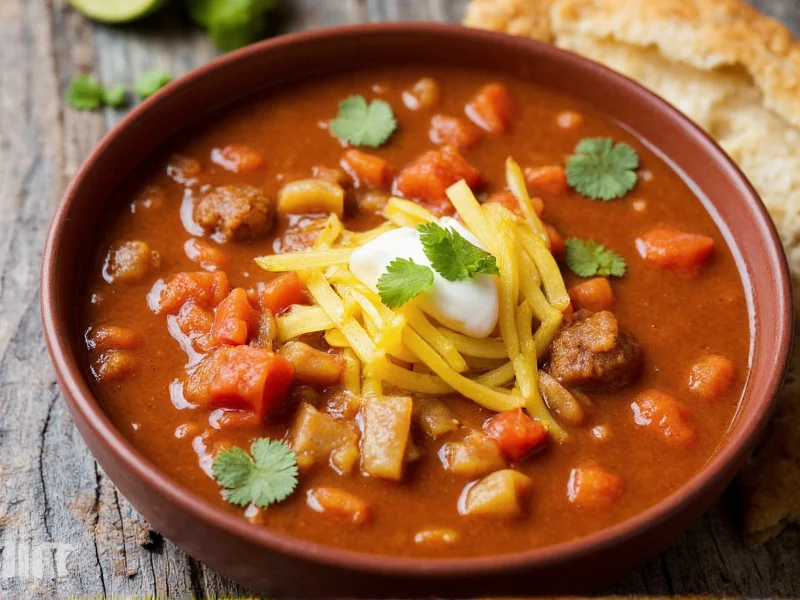
Pozole soup is a traditional Mexican stew with ancient indigenous roots, featuring hominy (nixtamalized corn kernels), meat (typically pork or chicken), and a rich broth flavored with chili peppers. This culturally significant dish exists in three primary variations: pozole rojo (red, with guajillo chilies), pozole verde (green, with tomatillos and herbs), and pozole blanco (white, without chili sauce). Celebrated during Mexican holidays and family gatherings, authentic pozole requires slow cooking to develop its complex flavors and represents one of Mexico's most cherished culinary traditions.
The Ancient Origins and Evolution of Mexico's Beloved Stew
Pozole's history stretches back to pre-Hispanic Mesoamerica, where indigenous communities like the Aztecs and Mayans prepared similar hominy-based stews. Originally made with turkey or dog meat (in some regions), pozole held ceremonial significance in religious rituals before Spanish colonization introduced pork to the recipe. The Spanish banned its ceremonial use due to associations with human sacrifice, but pozole survived by transforming into a celebratory dish for special occasions.Evolution of Pozole: A Historical Timeline
- 1500-1200 BCE: Archaeological evidence confirms nixtamalization techniques developed in Mesoamerica, transforming maize into hominy for improved nutrition (Smithsonian National Museum of Natural History, Nixtamalization Fact Sheet).
- Pre-1521: Indigenous communities prepared ceremonial hominy stews documented in codices like the Florentine Codex, often featuring turkey or dog meat in ritual contexts.
- 1521-1821: Spanish colonizers introduced pork while suppressing ceremonial uses, leading to pozole's adaptation as a festive dish for Catholic holidays and celebrations.
- 2010: UNESCO recognized Traditional Mexican Cuisine—including pozole preparation—as Intangible Cultural Heritage of Humanity (UNESCO Inscription).
Understanding the Three Classic Pozole Variations
| Variation | Key Ingredients | Regional Origin | Distinctive Characteristics |
|---|---|---|---|
| Pozole Rojo | Guajillo chilies, garlic, cumin | Jalisco, Guerrero | Rich red color, deep earthy flavor, most popular version |
| Pozole Verde | Tomatillos, pumpkin seeds, epazote | Central Mexico | Bright green color, herbal freshness, slightly tangy |
| Pozole Blanco | None (clear broth) | Coastal regions | Clean corn flavor, often served with red sauce on side |
Regional Authenticity: Context and Boundaries of Traditional Pozole
Authentic pozole preparation adheres to strict regional boundaries that define its cultural integrity. Understanding these limitations prevents misrepresentation while honoring Mexico's culinary diversity:
- Ingredient Exclusivity: Pozole rojo requires guajillo chilies (not substitutes like ancho) as specified in UNESCO's cultural heritage documentation. Substituting canned chili sauce violates the traditional preparation method recognized by Mexico's Secretariat of Culture (Secretaría de Cultura).
- Preparation Constraints: Slow simmering (minimum 2-3 hours) is non-negotiable; pressure cookers alter collagen breakdown and flavor development. The National Institute of Anthropology and History (INAH) emphasizes that authentic techniques require "time as essential ingredient" (INAH Food Heritage).
- Regional Appropriateness: Pozole verde's Central Mexican origin (Michoacán/México states) means coastal regions using seafood would create a distinct dish (like pozole de mariscos), not authentic verde. UNESCO specifically notes regional ingredient boundaries as cultural safeguards.
- Ceremonial Context: Serving pozole as an everyday meal contradicts its cultural significance. Authentic preparation remains reserved for celebrations like Independence Day, aligning with UNESCO's description of Mexican cuisine as "ongoing community culture tied to specific occasions".
These boundaries ensure pozole maintains its cultural context—violating them transforms the dish into a generic recipe rather than a living heritage expression.
Essential Ingredients That Define Authentic Pozole
Hominy (Nixtamalized Corn) - This isn't ordinary canned corn. Hominy undergoes nixtamalization, an ancient process where dried corn kernels are cooked in an alkaline solution (traditionally limewater), which removes the hull and increases nutritional value. This process creates larger, softer kernels with a distinctive chewy texture and subtle corn flavor essential to pozole's character. Meat Selection - Traditional pozole uses pork shoulder or picnic cut, which contains both lean meat and fat for flavor. Some regions prefer chicken or turkey. The meat simmers for hours until tender, then gets shredded back into the broth. Authentic recipes often include pork feet or ears for added collagen and richness. Chili Peppers and Aromatics - Beyond the base chilies for each variation, authentic pozole incorporates garlic, onion, and sometimes Mexican oregano. The quality of chilies makes or breaks the dish—freshly toasted and rehydrated dried chilies outperform canned alternatives significantly.The Art of Preparing Traditional Pozole
Authentic pozole requires patience and attention to detail. The process begins with simmering meat and bones for 2-3 hours to create a rich base broth. While traditional methods use whole hominy kernels cooked from scratch (requiring overnight soaking), many home cooks today use quality canned hominy to save time without sacrificing authenticity. The critical flavor development happens when toasting and rehydrating dried chilies. For pozole rojo, guajillo chilies should be toasted briefly in a dry skillet until fragrant but not burnt, then soaked in hot water before blending into a smooth sauce. This sauce gets fried with garlic to deepen its flavor before incorporating into the broth. Unlike quick weeknight soups, pozole benefits from resting overnight. The flavors meld and deepen when refrigerated, making it an ideal make-ahead dish for celebrations. Many Mexican families consider day-old pozole superior to freshly made.Serving Traditions and Customary Garnishes
In Mexico, pozole isn't complete without its array of traditional garnishes served on the side. Diners customize their bowls with:- Shredded cabbage or lettuce
- Radish slices
- Finely chopped onion
- Lime wedges
- Oregano (Mexican variety preferred)
- Chili powder or crushed chilies
- Avocado slices
- Tostadas or warm tortillas
Nutritional Profile and Modern Adaptations
Traditional pozole offers surprising nutritional benefits. Hominy provides fiber and calcium from the nixtamalization process, while the long cooking time makes nutrients in meat more bioavailable. A standard serving contains approximately 300-400 calories, with balanced protein, complex carbohydrates, and healthy fats. Modern adaptations accommodate various dietary needs while maintaining authenticity:- Vegetarian pozole - Substitute vegetable broth and mushrooms for meat
- Gluten-free - Naturally gluten-free when prepared traditionally
- Lower-sodium - Reduce added salt and use low-sodium broth
- Quick preparation - Pressure cooker methods cut cooking time significantly




 浙公网安备
33010002000092号
浙公网安备
33010002000092号 浙B2-20120091-4