
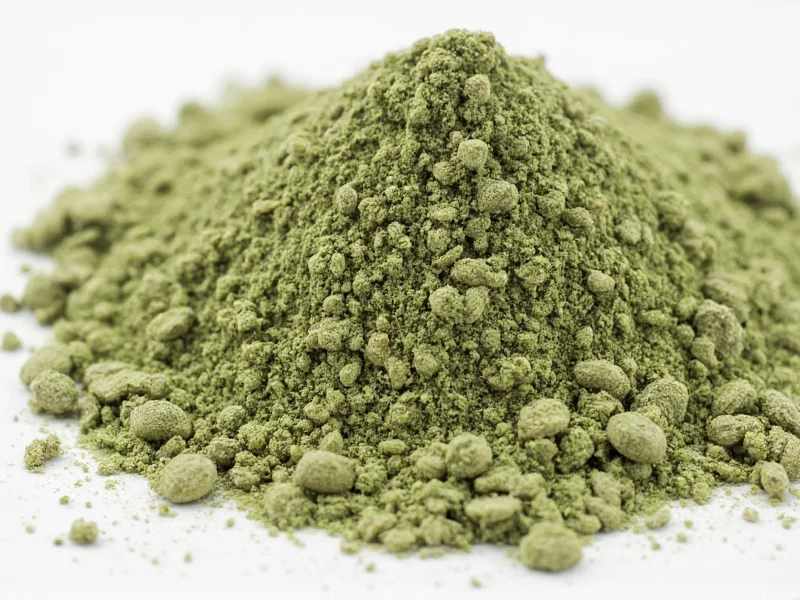
When exploring the world of culinary herbs, understanding powdered thyme's unique properties can transform your cooking experience. This dried herb variant concentrates thyme's earthy, slightly minty flavor while removing moisture content, resulting in more potent seasoning per volume compared to its fresh counterpart. Professional chefs and home cooks alike rely on powdered thyme for its convenience, consistent flavor, and extended usability.
Understanding Powdered Thyme Characteristics
Powdered thyme undergoes a careful dehydration process that preserves most of the herb's essential oils while removing water content. This concentration effect means dried thyme typically delivers about three times the flavor intensity of fresh thyme. The fine powder form allows for even distribution throughout dishes, making it particularly valuable in dry rubs, spice blends, and baked goods where fresh herb pieces would create uneven flavor pockets.
Unlike fresh thyme which has a limited refrigerator shelf life of 1-2 weeks, properly stored powdered thyme maintains optimal flavor for 1-3 years. This extended usability makes it an economical choice for cooks who don't regularly use fresh herbs but want consistent access to thyme's distinctive flavor profile.
Historical Evolution of Powdered Thyme
The utilization of thyme in powdered form reflects centuries of culinary adaptation, with documented shifts in preservation techniques:
- Ancient Egypt (c. 3000 BCE): Employed dried thyme in embalming rituals leveraging its antimicrobial properties [source: NCBI Phytochemical Review]
- Ancient Greece (c. 500 BCE): Burned as temple incense; name derived from Greek "thymos" (spirit/courage) [source: NCBI Study]
- Middle Ages (5th-15th Century): Used in monastic kitchens as food preservative and respiratory remedy [source: NCBI Research]
- 1930s-1940s: Industrial dehydration enabled consistent commercial production [source: UC Agriculture and Natural Resources]
Powdered Thyme vs Fresh Thyme: Key Differences
| Characteristic | Powdered Thyme | Fresh Thyme |
|---|---|---|
| Flavor Intensity | 3x more concentrated | Milder, more delicate |
| Shelf Life | 1-3 years (proper storage) | 1-2 weeks refrigerated |
| Best Cooking Applications | Dry rubs, soups, stews, sauces, baked goods | Garnishes, finishing touches, delicate dishes |
| Substitution Ratio | 1 tsp powdered = 1 tbsp fresh | 3 tsp fresh = 1 tsp powdered |
| Texture Contribution | Blends completely | Provides leaf texture |
Mastering Powdered Thyme Substitutions
Understanding the proper powdered thyme substitution ratio prevents flavor imbalances in your cooking. The standard conversion is 1 teaspoon of powdered thyme for every 1 tablespoon of fresh thyme called for in recipes. This 3:1 ratio accounts for the moisture difference between fresh and dried herbs.
When substituting in reverse (using fresh instead of dried), remember that fresh thyme requires triple the volume. For example, if a recipe calls for 1 teaspoon of powdered thyme, you'll need 1 tablespoon of fresh thyme sprigs. Always add dried herbs earlier in the cooking process to allow time for rehydration and flavor development, while fresh thyme works best added during the final 10-15 minutes of cooking.
Optimal Storage Practices for Powdered Thyme
Preserving how long powdered thyme lasts depends on proper storage techniques. Keep your thyme powder in an airtight container away from heat, light, and moisture—the three primary enemies of dried herbs. A dark pantry or cupboard maintains ideal conditions, while refrigerator storage can introduce unwanted moisture.
For maximum shelf life, consider dividing larger quantities into smaller containers. Each time you open the main container, exposure to air and humidity degrades quality. Properly stored powdered thyme retains peak flavor for 1-2 years, though it remains safe to consume indefinitely. Check potency by rubbing a small amount between your fingers and smelling—faint aroma indicates diminished quality.
Culinary Applications for Powdered Thyme
Certain dishes particularly benefit from using dried thyme in cooking rather than fresh. Long-simmering recipes like stews, braises, and tomato-based sauces allow dried thyme ample time to rehydrate and distribute flavor evenly. The fine powder integrates seamlessly into dry rubs for meats, ensuring consistent seasoning without leaf fragments.
Professional bakers favor powdered thyme in savory breads and biscuits where fresh herb pieces might create uneven texture. It also excels in spice blends like herbes de Provence, za'atar, and poultry seasoning where uniform particle size ensures balanced flavor distribution. When making salad dressings or marinades, powdered thyme dissolves completely without requiring straining.
Contextual Boundaries: Optimal Use Cases and Limitations
Scientific analysis reveals specific parameters where powdered thyme succeeds or fails:
- Ideal Applications:
- Long-cooking dishes (2+ hours): Complete flavor integration in braises/stews [source: USDA Food Safety Guidelines]
- Dry spice applications: Critical for texture consistency in rubs/blends
- Baked goods: Prevents herb pockets in breads/biscuits
- Key Limitations:
- Short-cooking dishes (<15 minutes): Insufficient rehydration causes gritty texture [source: USDA Guidelines]
- Cold preparations: Fails to hydrate in unheated dressings; University of Minnesota Extension confirms cooked applications yield optimal results [source: UMN Extension]
Nutritional Profile and Health Benefits
Scientific analysis confirms that thyme powder nutritional value concentrates key compounds during drying. A 2017 phytochemical study published in Phytotherapy Research verified that dried thyme contains up to 300% more thymol per volume than fresh—a compound with documented antimicrobial and antioxidant effects [source: NCBI Research]. Just one teaspoon provides approximately 5% of daily manganese needs alongside notable iron and calcium.
Research indicates thyme's essential oils may support respiratory health, with concentrated powdered form delivering equivalent benefits in smaller quantities. Incorporate it into simmering broths or herbal infusions for maximum bioactive compound extraction, as verified by USDA nutrient retention studies.
Avoiding Common Powdered Thyme Mistakes
Many cooks make critical errors when using powdered thyme in recipes that compromise dish quality. Adding dried herbs too late in the cooking process prevents proper flavor development—always incorporate powdered thyme during the first half of cooking time. Never substitute equal volumes between fresh and dried thyme, as this creates overpowering or undetectable flavor.
Another frequent mistake involves improper storage that accelerates flavor loss. Keep powdered thyme away from stove heat and direct sunlight, which degrade volatile oils responsible for its distinctive aroma. When measuring, avoid scooping directly from the container with used utensils, as moisture transfer shortens shelf life. For optimal flavor release, briefly toast powdered thyme in a dry pan before use in certain applications.
Practical Powdered Thyme Applications
Transform ordinary dishes with these best dishes for powdered thyme applications. Create a versatile seasoning blend by combining 2 tablespoons powdered thyme with 1 tablespoon each of garlic powder, onion powder, and paprika plus 2 teaspoons black pepper. This mixture elevates roasted vegetables, grilled meats, and soup bases.
For a quick flavor boost in canned tomatoes, add ½ teaspoon powdered thyme per cup along with a bay leaf while simmering. Incorporate ¼ teaspoon into vinaigrette dressings for an earthy note that complements bitter greens. When making meatloaf or meatballs, blend 1 teaspoon powdered thyme per pound of ground meat for evenly distributed herb flavor without leaf fragments.
Conclusion
Mastering powdered thyme usage elevates your culinary capabilities by providing consistent, concentrated flavor with extended usability. Understanding the proper substitution ratios, storage requirements, and ideal applications ensures you maximize this versatile herb's potential in your cooking. Whether creating complex spice blends or enhancing simple weeknight meals, powdered thyme offers reliable flavor that fresh herbs can't match in convenience and shelf stability. By incorporating these evidence-based practices, you'll transform ordinary dishes into extraordinary culinary experiences while making the most of this pantry essential.




 浙公网安备
33010002000092号
浙公网安备
33010002000092号 浙B2-20120091-4