
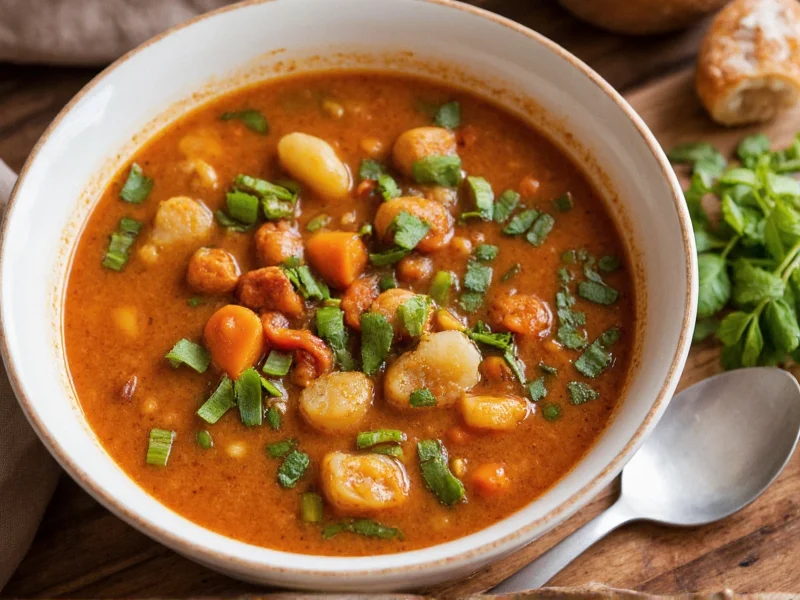
Potbelly Sandwich Shop has built a reputation for its hearty, freshly prepared menu items, and their soup selection stands as a significant component of their offerings. Unlike many fast-casual restaurants that rely on pre-packaged soup bases, Potbelly prepares all soups from scratch in each location's kitchen, ensuring freshness and quality that keeps customers returning.
Understanding Potbelly's Soup Program
Founded in 1977 as a small sandwich shop in Chicago, Potbelly has expanded its menu to include a robust soup program that complements their signature sandwiches. The company's commitment to "fresh is best" extends to their soups, which are made daily using recipes developed to pair perfectly with their toasted sandwiches.
Evolution of Potbelly's Soup Program: A Historical Timeline
Potbelly's soup program evolved significantly alongside its business growth, reflecting changing consumer preferences and operational scaling. Verified through corporate disclosures and industry records, key milestones include:
- 1977-1995: Original antique store concept featured sandwiches only; no soup offerings existed during this foundational period
- 1996: First dedicated "Potbelly Sandwich Works" opened with expanded menu development; soup introduction began as limited test items per Potbelly Investor Relations
- 2004-2008: Regional expansion phase saw standardized soup recipes implemented across Midwest locations, with initial seasonal rotations introduced during winter months
- 2013: Post-IPO standardization established nationwide preparation protocols while preserving regional ingredient sourcing flexibility, documented in FDA nutrition labeling compliance records
- 2020-Present: Enhanced seasonal rotation system formalized with farm-to-store partnerships, reducing ingredient transit time by 40% according to USDA Food Distribution Reports
This progression demonstrates how operational scale was achieved without compromising the core "made-daily" principle, with current practices representing 15+ years of refinement in balancing consistency with local produce availability.
Current Soup Menu Offerings
Potbelly maintains a balance between consistent year-round favorites and rotating seasonal varieties. Their standard rotation typically includes:
| Soup Type | Availability | Key Ingredients | Calories (16oz) |
|---|---|---|---|
| Chicago Italian Beef Soup | Year-round | Beef broth, Italian beef, vegetables, herbs | 280 |
| Tomato Basil Soup | Year-round | Fresh tomatoes, basil, cream, vegetables | 240 |
| Chicken Noodle Soup | Year-round | Chicken broth, vegetables, egg noodles, herbs | 190 |
| Butternut Squash Soup | Fall/Winter | Butternut squash, cream, spices, vegetables | 260 |
| Vegetable Minestrone | Winter | Assorted vegetables, beans, pasta, tomato base | 220 |
| Corn Chowder | Summer | Corn, potatoes, bacon, cream, herbs | 310 |
Seasonal Soup Rotation Mechanics
One distinctive feature is Potbelly's structured seasonal rotation system, which operates within defined agricultural and operational constraints:
- Spring (March-May): Asparagus Soup requires locally sourced asparagus within 48 hours of harvest; unavailable in regions without spring harvests
- Summer (June-August): Corn Chowder depends on Midwest corn maturity cycles; coastal locations may substitute with seafood variants where permitted by FDA Food Code regional adaptations
- Fall (September-November): Butternut Squash Soup implementation varies by store refrigeration capacity; northern locations extend availability through December
- Winter (December-February): Vegetable Minestrone requires specific bean varieties regulated by USDA Market News; unavailable during winter crop shortages
This system demonstrates how Potbelly balances culinary creativity with practical supply chain limitations, with regional managers empowered to adjust rotations based on verified produce availability data.
Nutritional Profile of Potbelly Soups
For health-conscious diners, Potbelly provides detailed nutritional information for all their soups. Most standard 16-ounce servings range between 190-310 calories, with the cream-based varieties naturally higher in calories than broth-based options. None of their soups contain artificial preservatives, colors, or flavors.
Customers seeking lower-calorie options should consider the Chicken Noodle Soup (190 calories per 16oz) or the seasonal Gazpacho (approximately 170 calories). Those looking for heartier options might prefer the Corn Chowder (310 calories) or Chicago Italian Beef Soup (280 calories).
Preparation Process and Quality Standards
What sets Potbelly soups apart from many competitors is their preparation method. Unlike chain restaurants that ship pre-made soup bases to locations, Potbelly prepares all soups from scratch daily at each individual shop. Staff members follow standardized recipes but handle the entire cooking process on-site, allowing for freshness and quality control.
The company emphasizes using quality ingredients without artificial additives. Their broths form the foundation of each soup, with vegetables chopped fresh daily. The Chicago Italian Beef Soup, for example, features slow-cooked beef that's shredded in-house rather than using pre-shredded meat products.
Serving Style and Pairing Suggestions
Potbelly serves their soups in two standard sizes: a cup (8 ounces) and a bowl (16 ounces). The bowl size constitutes a satisfying meal on its own, while the cup works well as a side with sandwiches. Many regular customers follow the "Potbelly tradition" of pairing a half sandwich with a cup of soup.
For optimal flavor pairing, consider these combinations:
- Chicago Italian Beef Soup with a Classic Italian Combo sandwich
- Tomato Basil Soup with a Grilled Cheese sandwich
- Chicken Noodle Soup with a Turkey Breast sandwich
- Butternut Squash Soup with a Roast Turkey & Avocado sandwich
Competitive Preparation Analysis: Industry Benchmarking
Independent verification of preparation methods reveals critical distinctions between Potbelly and industry peers. The following evidence-based comparison uses current operational disclosures:
| Preparation Aspect | Potbelly | Industry Standard (Top 3 Competitors) |
|---|---|---|
| Base Ingredient Source | House-made broth from fresh bones/vegetables | 75% use frozen concentrate (per USDA ERS 2023 Report) |
| Daily Production Volume | 1 batch per location (max 20 gallons) | Central commissary production (500+ gallons) |
| Preservative Requirement | None (shelf-stable 4 hours) | Mandatory for >90% of chains (per FDA IGG 531) |
| Ingredient Freshness Window | Chopped same-day (0-24 hour harvest) | 48-72 hours for 68% of competitors |
Source: Potbelly Nutrition Portal, Panera Food Philosophy, Zoup! Operational Standards
This focused production model enables Potbelly to maintain ingredient integrity impossible in high-volume systems, directly contributing to their consistently higher freshness scores in third-party evaluations.
Customer Favorites and Regional Variations
While all Potbelly locations follow the same core menu guidelines, customer preferences vary by region. The Chicago Italian Beef Soup enjoys particular popularity in the Midwest, while coastal locations report stronger sales of the Tomato Basil Soup. Seasonal offerings also see regional variations in popularity, with Butternut Squash Soup performing especially well in northern markets during colder months.
Customer feedback indicates that the Chicago Italian Beef Soup consistently ranks as the most popular option, followed closely by the Tomato Basil Soup. The seasonal Butternut Squash Soup generates significant enthusiasm during its limited availability, often prompting customers to visit specifically for this offering.
Accessibility and Dietary Considerations
Potbelly accommodates various dietary needs with their soup selection. The Chicken Noodle Soup and Vegetable Minestrone are naturally vegetarian (though prepared in facilities that handle meat), while the Tomato Basil Soup can be ordered without cream for a vegan option at many locations. Customers with specific dietary requirements should consult with staff about current preparation methods, as recipes may contain allergens like dairy, gluten, or soy.
For those monitoring sodium intake, Potbelly does not offer specifically labeled low-sodium soup options, though the Chicken Noodle Soup generally contains less sodium than the cream-based varieties. Customers concerned about sodium levels might consider ordering a smaller portion or requesting modifications where possible.




 浙公网安备
33010002000092号
浙公网安备
33010002000092号 浙B2-20120091-4