
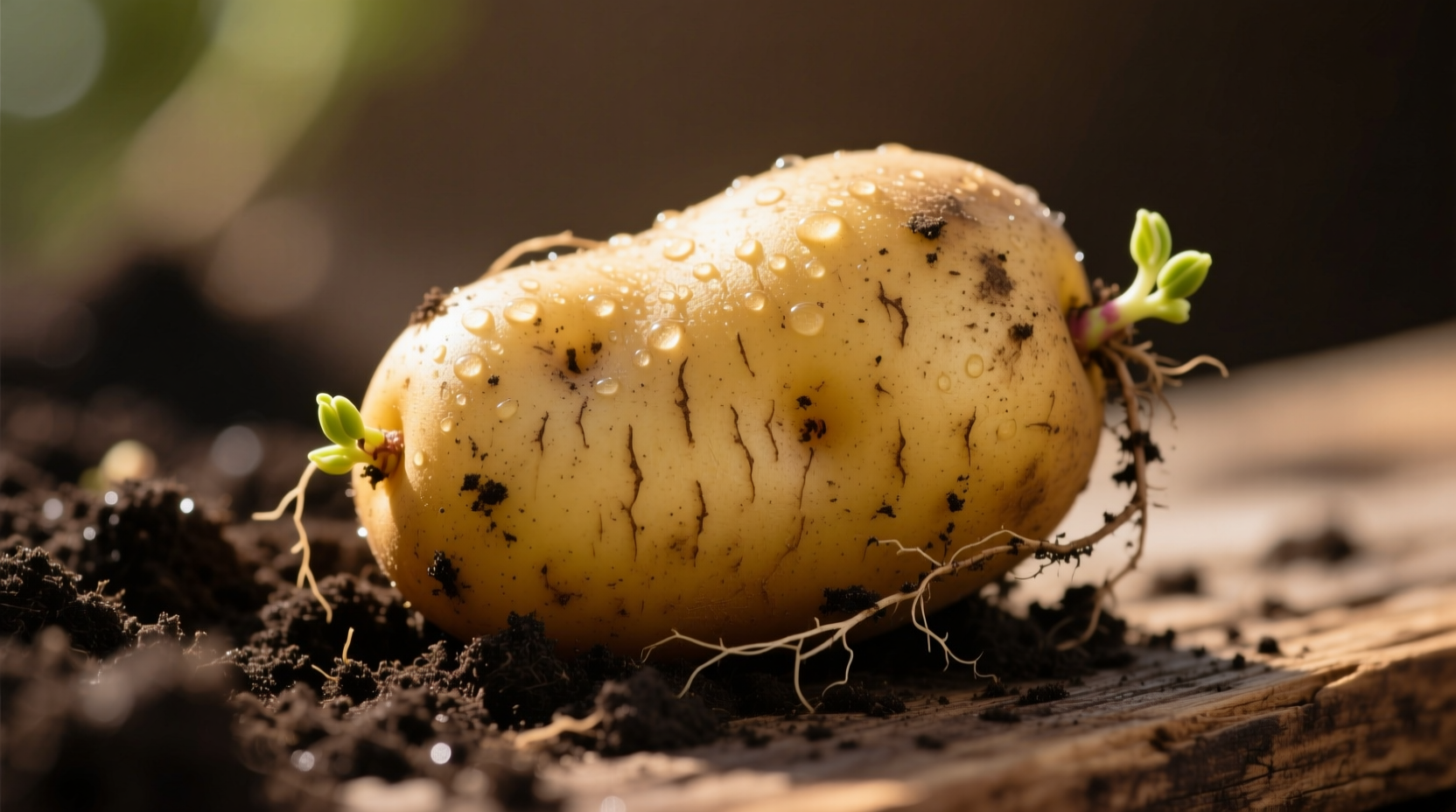
Understanding Potato Tubers: Nature's Underground Powerhouses
When you hold a potato in your hands, you're holding one of nature's most efficient energy storage systems. Potato tubers aren't just food—they're sophisticated biological structures that have allowed Solanum tuberosum to thrive across diverse climates for thousands of years. Understanding these remarkable organs transforms how gardeners, farmers, and food enthusiasts approach potato cultivation and utilization.
What Exactly Makes a Potato a Tuber?
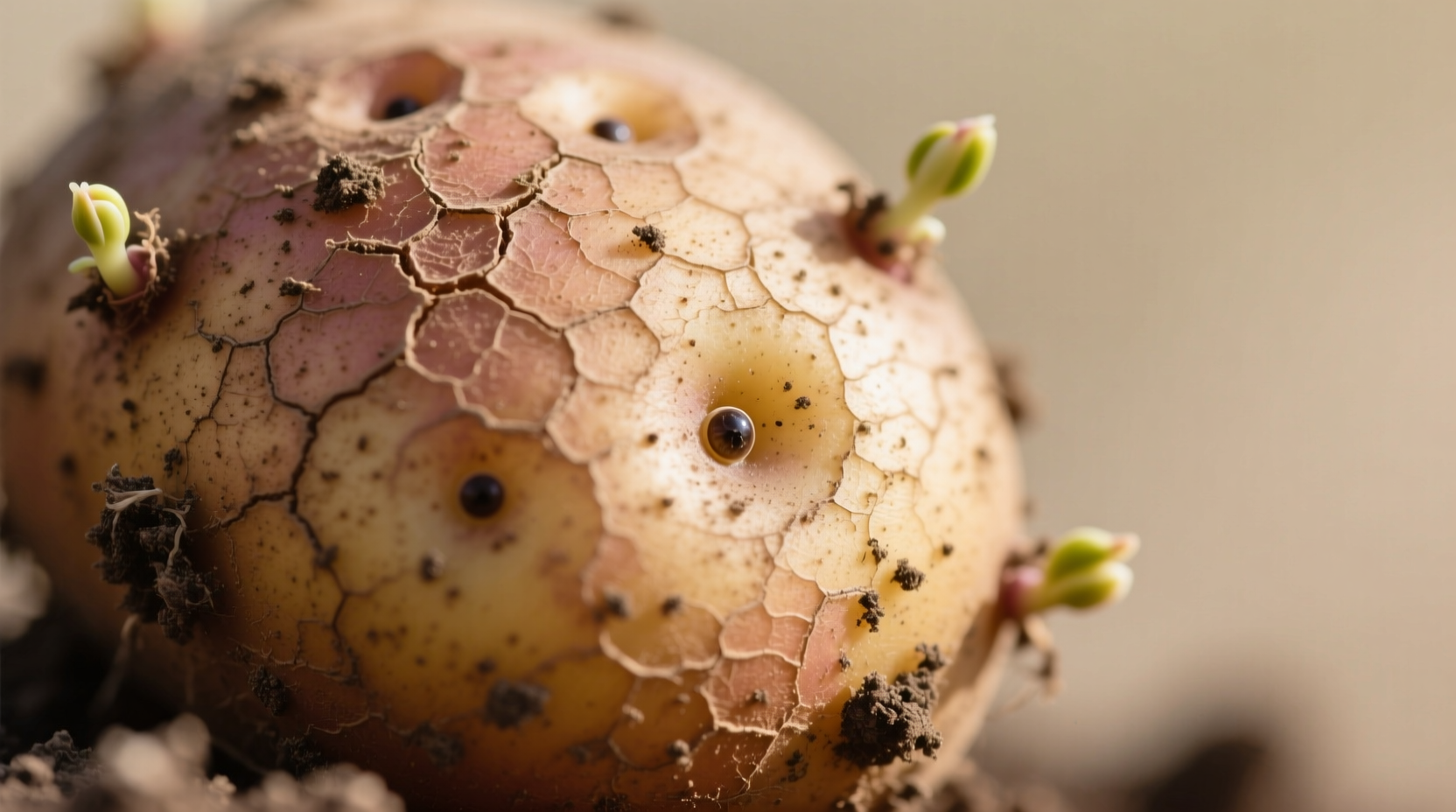
Many people mistakenly classify potatoes as roots, but they're actually modified stems. This distinction matters because it affects how potatoes grow, reproduce, and store nutrients. Tubers develop from underground stems called stolons that swell as they accumulate starches and other nutrients. The "eyes" you see on a potato's surface are actually buds capable of sprouting new plants—a characteristic exclusive to stem structures.
| Plant Structure | Origin | Key Features | Examples |
|---|---|---|---|
| Tuber | Swollen underground stem | Contains"eyes"(buds), stores starch | Potato, yam |
| Root | True root structure | No buds, absorbs water/nutrients | Carrot, beet |
| Bulb | Short stem with fleshy leaves | Layered structure, central shoot | Onion, garlic |
The Remarkable Development Process of Potato Tubers
Potato tuber formation follows a precise biological timeline that farmers must understand to optimize harvests. Research from the USDA Agricultural Research Service shows that tuber initiation begins when day length reaches 12-14 hours and soil temperatures stay below 70°F (21°C). This critical phase determines both yield and quality.
Here's the typical tuber development timeline under optimal conditions:
- Planting to emergence (2-4 weeks): Seed pieces sprout, developing stems and leaves while establishing root systems
- Vegetative growth (3-6 weeks): Rapid leaf and stem development occurs, with stolons beginning to form
- Tuber initiation (6-8 weeks): Stolons swell at their tips as the plant redirects energy to storage
- Tuber bulking (8-14 weeks): Critical growth phase where tubers rapidly accumulate starch and water
- Maturity (14-20 weeks): Vines yellow and die back as tubers develop protective skins
This timeline varies significantly based on potato variety and growing conditions. Early varieties complete this cycle in 70-90 days, while late varieties may require 120-140 days. Temperature fluctuations during the bulking phase directly impact final tuber size and quality—a crucial consideration for commercial growers.
Practical Applications for Gardeners and Farmers
Understanding tuber biology translates directly to better harvests. When planting seed potatoes, position them with eyes facing upward to encourage proper sprout development. The University of California Cooperative Extension recommends planting at 3-4 inch depth in loose, well-drained soil to give developing tubers adequate space to expand without deformation.
One common mistake home gardeners make is harvesting too early. Tubers continue accumulating starch until vine dieback, so premature harvesting yields smaller, less flavorful potatoes. For storage, the USDA recommends curing newly harvested tubers at 50-60°F with high humidity for 10-14 days before moving to long-term storage at 38-40°F.
Nutritional Powerhouses Hidden Underground
Potato tubers serve as nature's perfect energy storage containers. A medium potato (5.3 oz) with skin provides:
- 110 calories
- 26g carbohydrates (providing sustained energy)
- 2g protein
- 2g fiber (with skin)
- 45% of daily vitamin C needs
- 620mg potassium (more than a banana)
The starch composition of potato tubers makes them particularly valuable. Unlike many grains, potatoes contain resistant starch that functions like dietary fiber, promoting gut health. When cooled after cooking, this resistant starch content increases significantly—a phenomenon documented in research published by the American Journal of Clinical Nutrition.
Common Misconceptions About Potato Tubers
Several myths persist about potato tubers that can lead to cultivation mistakes or nutritional misunderstandings:
- "Potatoes are fattening": The tuber itself is low in calories; added fats during preparation create high-calorie dishes
- "Green potatoes are just unripe": Green color indicates solanine production, a toxic compound that requires peeling or discarding
- "All potatoes taste the same": Different varieties have distinct starch contents affecting texture and flavor
- "Tubers are roots": As modified stems, they have different growth requirements than root vegetables
Understanding these distinctions helps both growers and consumers make better decisions. For instance, knowing that greening indicates solanine accumulation prevents potential food safety issues. Recognizing that different potato varieties have varying starch contents helps select the right type for specific culinary applications.
When Tuber Knowledge Matters Most
Certain situations demand deeper understanding of potato tuber biology:
- Disease management: Late blight spreads through tubers, requiring careful inspection before planting
- Storage conditions: Temperature and humidity must balance sprout prevention with quality maintenance
- Varietal selection: Different tuber characteristics suit various culinary and agricultural needs
- Organic certification: Understanding tuber development helps implement appropriate pest management
For commercial growers, tuber knowledge directly impacts profitability. The International Potato Center reports that proper understanding of tuber development stages can increase yields by 15-25% through optimized planting, irrigation, and harvesting practices. Small-scale gardeners benefit from similar knowledge to maximize their limited space and resources.
Preserving Tuber Quality After Harvest
Post-harvest handling significantly affects tuber quality. Immediately after digging, potatoes need curing—a process where minor skin injuries heal, creating a protective barrier against moisture loss and pathogens. The USDA recommends:
- Curing at 50-60°F with 85-95% humidity for 10-14 days
- Long-term storage at 38-40°F with 90-95% humidity
- Avoiding exposure to light to prevent greening
- Regular inspection for rot or sprouting
Understanding these storage requirements helps both commercial operations and home gardeners extend potato shelf life while maintaining nutritional quality. Properly stored tubers can remain viable for planting or consumption for 6-8 months.
Looking Ahead: Tuber Research and Future Applications
Modern research continues to reveal new aspects of tuber biology. Scientists at the International Potato Center are developing varieties with enhanced nutritional profiles, including higher iron and zinc content to address malnutrition in developing countries. Other researchers are exploring how climate change affects tuber development, seeking varieties that maintain quality under warmer growing conditions.
For home gardeners and commercial producers alike, staying informed about these developments helps make better planting decisions. Understanding the fundamental biology of potato tubers creates a foundation for implementing new techniques and varieties as they become available.




 浙公网安备
33010002000092号
浙公网安备
33010002000092号 浙B2-20120091-4