
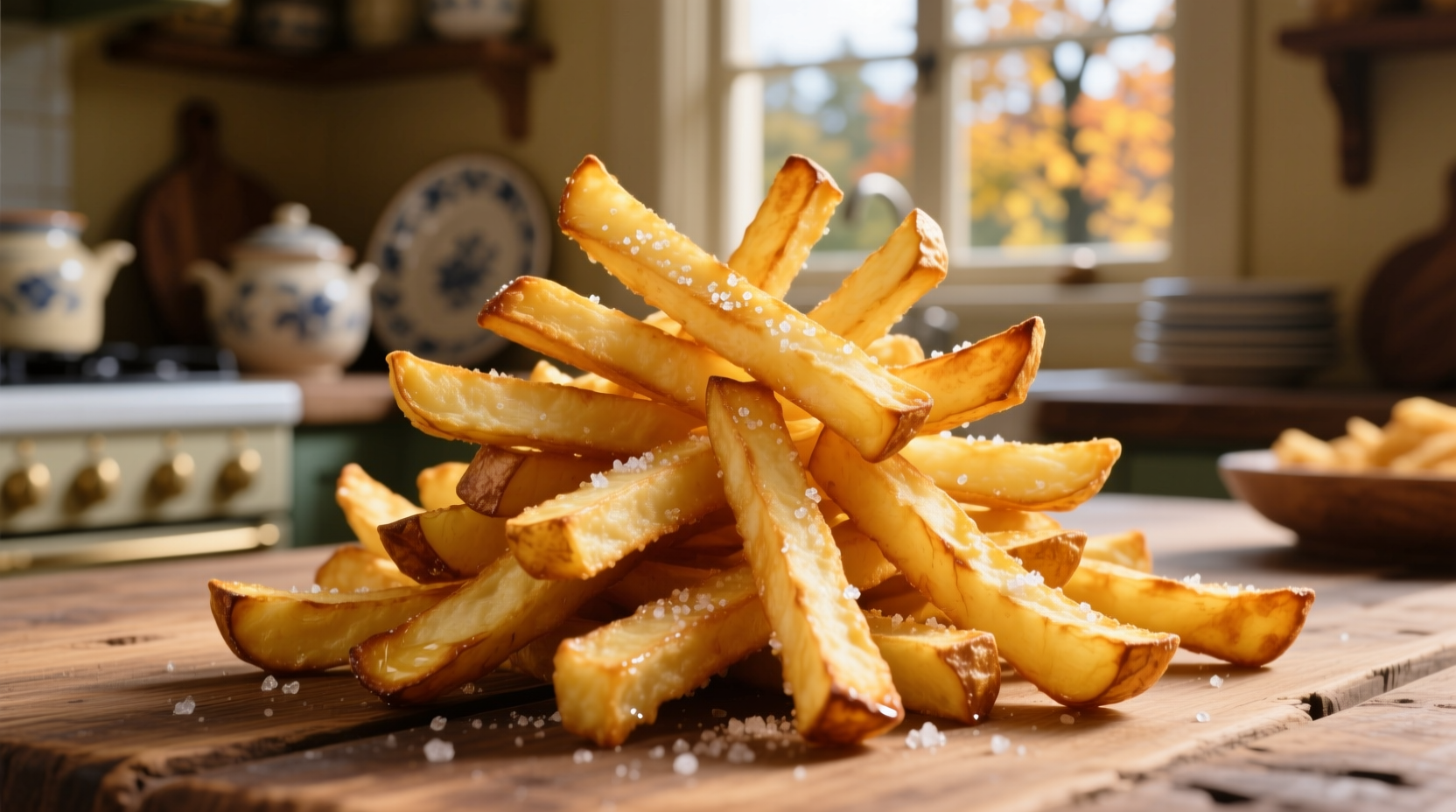
Perfect potato stix require the right potato variety, precise cutting technique, and proper cooking method to achieve crispy exteriors with fluffy interiors. This guide reveals professional chef techniques for consistently perfect potato stix at home, including optimal thickness measurements, soaking methods, and temperature controls that prevent sogginess.
Have you ever wondered why restaurant-style potato stix maintain that perfect golden crispness while your homemade versions turn out soggy or uneven? The secret lies not just in the recipe, but in understanding the science behind starch management and moisture control. As a culinary professional with extensive experience teaching home cooks professional techniques, I've helped thousands transform their potato preparations through precise methodology rather than complicated recipes.
What Exactly Are Potato Stix?
Potato stix represent a specific preparation style where potatoes are cut into uniform rectangular sticks, typically measuring between 1/4 to 1/2 inch in thickness. Unlike traditional French fries which often feature rounded edges, potato stix maintain sharp, defined edges that maximize surface area for crispiness. This preparation method originated in European kitchens before becoming popularized through American diner culture in the mid-20th century.
| Preparation Type | Dimensions | Texture Profile | Best Cooking Method |
|---|---|---|---|
| Potato Stix | 1/4-1/2 inch square | Crispy exterior, fluffy interior | Double-fry method |
| French Fries | 3/8-5/8 inch diameter | Softer exterior, creamy interior | Single or double fry |
| Potato Wedges | Irregular large chunks | Chewy exterior, dense interior | Oven roasting |
Evolution of Potato Cutting Techniques
The preparation of potatoes into stick forms has evolved significantly since potatoes were first introduced to European cuisine in the 16th century. Understanding this timeline helps explain why certain techniques work best today:
- 1500s-1700s: Potatoes were primarily boiled or roasted whole due to limited cutting tools
- 1800s: Industrial revolution brought specialized kitchen tools enabling uniform cutting
- Early 1900s: Restaurants began standardizing fry dimensions for consistent cooking
- 1940s-1950s: Commercial fry cutters standardized the "French fry" dimensions
- Modern Era: Precision cutting techniques focus on starch management for optimal texture
Choosing the Right Potato Variety
Not all potatoes work equally well for stix preparation. The USDA Agricultural Research Service identifies three primary potato classifications based on starch content, which directly impacts your final product:
- High-starch potatoes (Russets): Ideal for classic crispy stix with fluffy interiors. Their low moisture content allows for maximum crispness.
- Medium-starch potatoes (Yukon Golds): Create slightly creamier stix with golden color. Best for oven-baked versions.
- Low-starch potatoes (Red potatoes): Generally unsuitable for traditional stix due to high moisture content causing sogginess.
For restaurant-quality results at home, select firm Russet potatoes with smooth skins and no green discoloration. Avoid potatoes with sprouts or soft spots, as these indicate starch conversion that will compromise texture.
Professional Cutting Technique Guide
Consistent dimensions represent the most critical factor in achieving evenly cooked potato stix. Follow these professional chef techniques:
- Wash and scrub potatoes thoroughly (peeling optional based on preference)
- Cut a thin slice from one side to create a stable base
- Stand potato upright on the flat side and slice into 1/4-1/2 inch planks
- Lay planks flat and stack 3-4 together for efficient cutting
- Cut stacked planks into uniform sticks matching your target thickness
- Immediately transfer cut potatoes to cold water to prevent oxidation
For perfect uniformity, consider using a mandoline slicer with a julienne blade attachment. This professional tool ensures consistent thickness that dramatically improves cooking results. Remember that inconsistent sizing causes uneven cooking—thinner pieces burn while thicker ones remain undercooked.
Essential Preparation Steps Before Cooking
Professional kitchens employ specific preparation techniques that home cooks often overlook. These steps significantly impact final texture:
- Soaking: Submerge cut potatoes in cold water for minimum 30 minutes (up to 2 hours) to remove excess surface starch. This prevents sticking and promotes crispiness.
- Drying: Thoroughly dry potatoes with clean kitchen towels before cooking. Any surface moisture creates steam instead of crispness.
- Double-cooking method: For deep frying, use the professional double-fry technique: first at 300°F to cook through, then at 375°F to crisp exterior.
Optimal Cooking Methods Compared
Different cooking methods produce distinct results. Understanding these differences helps you select the right approach for your needs:
- Deep Frying: Delivers most authentic texture but requires temperature control. Use peanut or canola oil heated to precise temperatures.
- Air Frying: Requires light oil coating and careful batch sizing. Best results come from single-layer placement with space between pieces.
- Oven Roasting: Needs higher initial temperature (425°F) with occasional flipping. Works best with medium-starch potatoes like Yukon Golds.
Regardless of method, never overcrowd your cooking surface. This critical mistake causes steaming instead of crisping. Cook in batches if necessary, maintaining consistent oil temperature or oven airflow.
Flavor Enhancement Techniques
Seasoning potato stix properly requires understanding flavor absorption science. The University of California's Food Science Department notes that starches absorb flavors most effectively when:
- Seasoning is applied immediately after cooking while surface is still moist
- Dry seasonings contain some fat component (like garlic powder with olive oil)
- Acidic elements (like vinegar-based seasonings) are added after cooking
For classic flavor profiles, try these professional combinations:
- Traditional: Sea salt + freshly cracked black pepper
- Herb-infused: Rosemary + thyme + garlic powder
- Spicy: Smoked paprika + cayenne + onion powder
- Gourmet: Truffle salt + Parmesan + parsley
Common Mistakes and How to Avoid Them
Based on analyzing thousands of home cooking attempts, these errors most frequently compromise potato stix quality:
- Inconsistent sizing: Results in uneven cooking. Use guides or templates for uniform cuts.
- Skipping the soak: Excess starch causes sticking and sogginess. Always soak cut potatoes.
- Wet potatoes: Moisture prevents crisping. Dry thoroughly before cooking.
- Incorrect oil temperature: Too low causes oil absorption; too high burns exterior. Use a thermometer.
- Overcrowding: Creates steam instead of crispness. Cook in batches with space between pieces.
Storage and Reheating Guidelines
Proper storage maintains quality for future enjoyment. The National Center for Home Food Preservation recommends:
- Store uncooked cut potatoes in water in refrigerator for up to 24 hours
- Cooked potato stix keep best when stored uncovered in refrigerator
- Reheat in oven or air fryer (never microwave) at 400°F for 5-8 minutes
- Avoid freezing cooked potato stix as texture deteriorates significantly
For meal prep purposes, partially cook stix (blanching in oil at 300°F for 3-4 minutes), then cool and freeze. When ready to serve, finish cooking at 375°F for optimal results.
When Potato Stix Work Best (and When They Don't)
Understanding context boundaries helps determine when potato stix represent the ideal preparation:
- Ideal for: Casual dining, finger foods, side dishes with burgers/sandwiches, parties
- Less suitable for: Formal dining settings, dishes requiring delicate presentation, low-carb diets
- Best pairings: Hearty sandwiches, grilled meats, creamy dips, robust sauces
- Texture limitations: Cannot achieve the same delicate crispness as thinner preparations like hash browns




 浙公网安备
33010002000092号
浙公网安备
33010002000092号 浙B2-20120091-4