
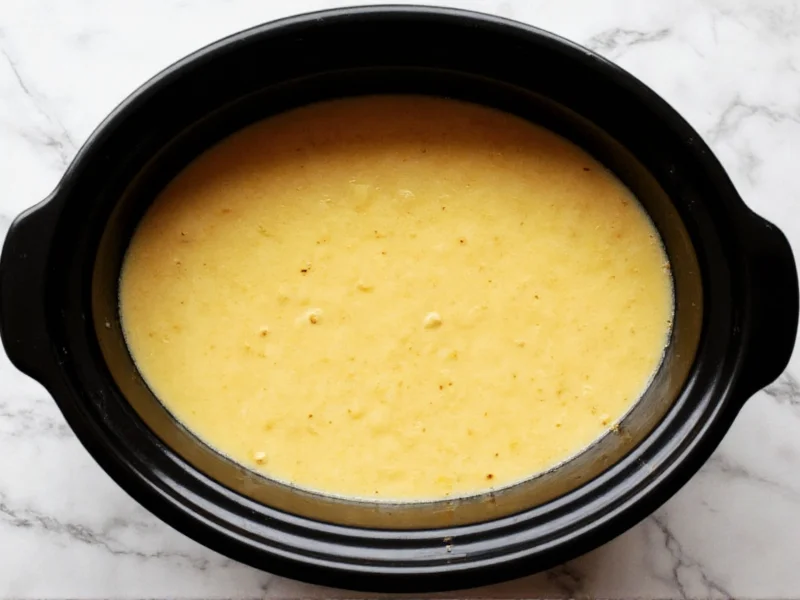
Creating perfect potato soup on crock pot combines convenience with exceptional flavor development. Unlike stovetop methods that require constant attention, the slow cooker's gentle heat transforms humble ingredients into a rich, velvety soup with minimal effort. This cooking technique allows starches to break down gradually, creating natural creaminess without excessive dairy.
Why Crock Pot Potato Soup Outperforms Other Methods
The slow cooker's consistent low temperature prevents the common pitfalls of potato soup preparation. Traditional methods often result in either undercooked chunks or a gluey, overcooked texture. The crock pot's even heat distribution ensures potatoes cook uniformly while maintaining their structure. This method also allows flavors to meld gradually, creating a more complex taste profile than quick-cooked versions.
Essential Ingredients for Perfect Crock Pot Potato Soup
Quality ingredients form the foundation of exceptional potato soup. Select these components carefully for optimal results:
| Ingredient | Quantity | Preparation Notes |
|---|---|---|
| Russet potatoes | 3 pounds | Peeled and diced into 1/2-inch cubes for even cooking |
| Yellow onion | 1 large | Finely chopped to distribute flavor evenly |
| Garlic cloves | 3 | Minced for maximum flavor release |
| Vegetable or chicken broth | 4 cups | Low-sodium preferred for better flavor control |
| Heavy cream | 1 cup | Added at the end for creaminess without curdling |
| Butter | 3 tablespoons | For sautéing aromatics before adding to crock pot |
Step-by-Step Crock Pot Potato Soup Instructions
Follow these precise steps for foolproof potato soup every time:
- Sauté onions and garlic in butter until translucent (5-7 minutes)
- Transfer sautéed mixture to crock pot
- Add potatoes, broth, 1 teaspoon salt, and 1/2 teaspoon black pepper
- Cook on LOW for 5-6 hours or HIGH for 3-4 hours
- Use immersion blender for 20 seconds to thicken soup slightly
- Stir in cream and 1/4 cup fresh parsley
- Season with additional salt and pepper to taste
- Rest for 15 minutes before serving to allow flavors to integrate
Crock Pot Settings and Timing Guide
Understanding your slow cooker's behavior ensures perfect results:
| Setting | Optimal Time | Texture Result | Best For |
|---|---|---|---|
| LOW | 5-6 hours | Creamy with distinct potato pieces | Overnight cooking, meal prep |
| HIGH | 3-4 hours | Slightly firmer potato texture | Same-day preparation |
| WARM | Up to 2 hours | Maintains consistency | Holding before serving |
Avoiding Common Crock Pot Potato Soup Mistakes
Even experienced cooks encounter these pitfalls when making potato soup on crock pot:
- Adding dairy too early - Cream or milk added at the beginning will curdle. Always incorporate dairy during the last 30 minutes.
- Overfilling the crock pot - Never fill beyond 2/3 capacity to prevent boil-overs and ensure proper heat circulation.
- Using waxy potatoes - Russets or Yukon Golds provide the ideal starch content for creamy texture.
- Skipping the sauté step - Cooking aromatics first develops deeper flavor that slow cooking alone cannot achieve.
Customizing Your Crock Pot Potato Soup
Personalize this versatile recipe to suit various preferences and dietary needs:
Vegetarian Potato Soup Crock Pot Version
Substitute vegetable broth for chicken broth and use olive oil instead of butter. Add 1 cup of chopped carrots and celery during the sauté step for enhanced vegetable flavor.
Loaded Baked Potato Soup Crock Pot Style
After cooking, stir in 1/2 cup each of shredded cheddar cheese and cooked bacon. Top individual servings with additional bacon, green onions, and a dollop of sour cream.
Dairy-Free Potato Soup Crock Pot Alternative
Replace cream with 1 cup of full-fat coconut milk added during the last 30 minutes of cooking. The subtle coconut flavor complements the potatoes surprisingly well.
Storage and Reheating Guidelines
Proper storage maintains quality for future enjoyment:
- Refrigeration: Store in airtight container for up to 4 days
- Freezing: Freeze without dairy for up to 3 months; add cream when reheating
- Reheating: Warm on stove over medium-low heat, stirring frequently
- Reviving: Add splashes of broth if soup thickens too much during storage
Expert Tips for Next-Level Potato Soup
Elevate your crock pot potato soup with these professional techniques:
- Add a Parmesan rind during cooking for umami depth (remove before serving)
- Include 1 teaspoon smoked paprika for subtle complexity
- Finish with a squeeze of fresh lemon juice to brighten flavors
- Use reserved potato cooking liquid to adjust consistency rather than additional broth




 浙公网安备
33010002000092号
浙公网安备
33010002000092号 浙B2-20120091-4