
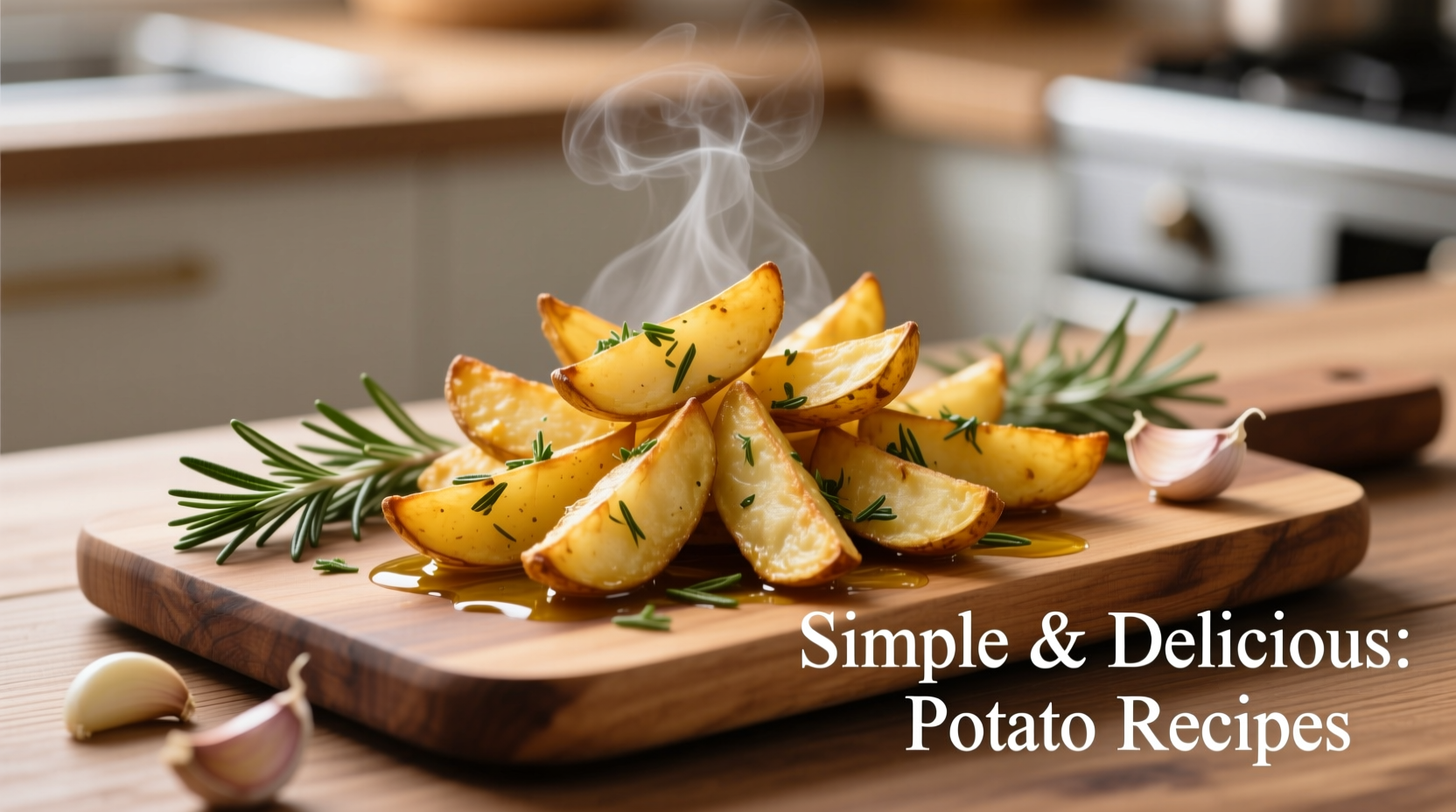
Whether you're a weeknight dinner hero or weekend culinary explorer, these potato recipes deliver restaurant-quality results with pantry staples. Potatoes rank as the world's fourth-largest food crop according to FAO agricultural data, yet most home cooks struggle with inconsistent textures and flavors. This guide solves those problems with science-backed techniques perfected through decades of professional kitchen experience.
Choosing the Right Potato for Your Recipe
Selecting the proper potato variety makes or breaks your dish. Starchy potatoes like Russets excel in baking and frying, while waxy varieties like Yukon Golds hold shape in salads. Here's how different types perform in common cooking methods:
| Potato Type | Best Cooking Methods | Avoid For | Texture Result |
|---|---|---|---|
| Russet | Baking, Frying, Mashing | Salads, Boiling | Fluffy interior, Crispy exterior |
| Yukon Gold | Mashing, Roasting, Boiling | Deep Frying | Creamy, buttery texture |
| Red Potatoes | Salads, Steaming, Roasting | French Fries | Firm, waxy consistency |
| Sweet Potatoes | Baking, Roasting, Mashing | Crispy applications | Moist, dense texture |
Mastering Basic Potato Cooking Techniques
Professional kitchens follow precise protocols that home cooks can easily replicate. The key to perfect potatoes lies in temperature control and timing:
Oven-Roasting Secrets
Preheat your oven to 425°F (220°C) for optimal caramelization. Toss cubed potatoes in 1 tablespoon oil per pound of potatoes with 1 teaspoon cornstarch for extra crispiness. Spread in a single layer on a parchment-lined sheet pan with space between pieces. Roast 35-45 minutes, flipping halfway, until golden brown and fork-tender.
Boiling Without Mushiness
Cover potatoes with cold water plus 1 inch, add 1 tablespoon salt per quart of water. Bring to a gentle simmer (not rolling boil) and cook until just tender. Drain immediately when done. For potato salad, cool in ice water to stop cooking.
15 Essential Potato Recipes for Every Occasion
Weeknight Dinner Heroes
Crispy Smashed Potatoes
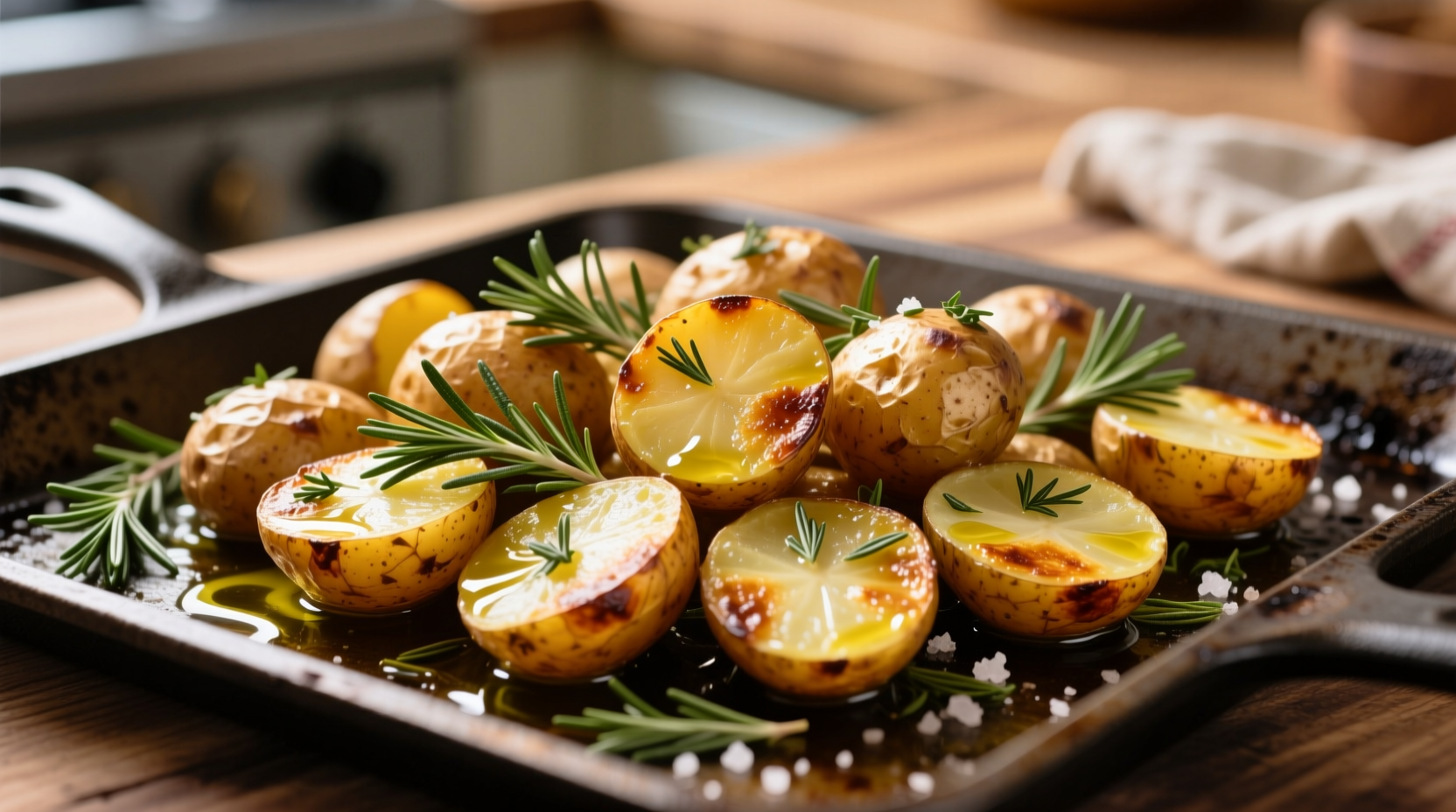
Boil baby potatoes until tender. Drain and cool slightly. Place on baking sheet and gently smash with a cup. Drizzle with olive oil, salt, and rosemary. Roast at 425°F for 25 minutes until golden and crispy.
One-Pan Sausage and Potato Skillet
Sear sliced smoked sausage in cast iron. Remove and set aside. Add diced Yukon Golds with onions and bell peppers. Cook until potatoes are golden. Return sausage to pan, cover, and cook 15 minutes until potatoes are tender.
Special Occasion Showstoppers
Garlic Parmesan Hasselback Potatoes
Slice Russets thinly without cutting through the bottom. Brush with garlic butter, sprinkle with Parmesan. Bake at 400°F for 45 minutes until golden and tender. Finish under broiler for 2 minutes.
Dauphinoise Potatoes with Modern Twist
Thinly slice potatoes and layer in buttered dish. Pour hot cream infused with garlic and thyme over potatoes. Bake at 325°F for 90 minutes until golden and tender. For healthier version, substitute half cream with whole milk.
Meal Prep Friendly Options
Freezer-Friendly Hash Browns
Shred Russets, squeeze out excess moisture. Mix with 1 egg per pound of potatoes and 2 tablespoons flour. Form into patties and freeze on parchment paper. Cook from frozen in skillet with oil until golden on both sides.
Overnight Potato Breakfast Casserole
Layer parboiled potatoes, cooked sausage, and cheese in baking dish. Pour over egg mixture (6 eggs + 2 cups milk + 1 tsp mustard). Refrigerate overnight. Bake at 350°F for 50-60 minutes until set.
Troubleshooting Common Potato Problems
Even experienced cooks encounter issues with potato dishes. Understanding the science behind these problems helps prevent future failures:
Why Potatoes Turn Brown After Cutting
Potatoes contain enzymes that react with oxygen. To prevent browning, submerge cut potatoes in cold water with 1 tablespoon lemon juice or vinegar per quart of water. Change water every hour for extended prep times.
Fixing Soggy Roasted Potatoes
Sogginess occurs when potatoes steam instead of roast. Ensure your oven temperature is accurate using an oven thermometer. Spread potatoes in single layer with space between pieces. Preheat baking sheet before adding potatoes for instant searing.
Preventing Disintegration During Boiling
Waxy potatoes hold shape better than starchy varieties. Always start potatoes in cold water rather than boiling. Add 1 teaspoon vinegar to water to help maintain structure. Avoid vigorous boiling - maintain a gentle simmer.
Nutritional Benefits of Potatoes
Contrary to popular belief, potatoes offer significant nutritional value when prepared properly. According to USDA FoodData Central, one medium potato (150g) provides:
- 45% of daily vitamin C needs
- 26% of vitamin B6 requirements
- Significant potassium content (more than bananas)
- 3 grams of fiber (with skin)
Cooking method dramatically affects nutritional value. Boiling causes the most nutrient loss (up to 30% of vitamin C), while baking preserves nearly all nutrients. Always eat potatoes with skin for maximum fiber and nutrient retention.
Advanced Potato Techniques for Culinary Excellence
Perfect French Fries Every Time
The secret to professional-quality fries involves a two-step frying process. First, blanch cut potatoes in 300°F oil for 5 minutes until cooked but not browned. Drain and cool completely (can refrigerate overnight). Second fry at 375°F for 2-3 minutes until golden and crispy. This method creates fries with fluffy interiors and shatteringly crisp exteriors.
Creating Ultra-Creamy Mashed Potatoes
Avoid gluey mashed potatoes by using the right tools and technique. Use a potato ricer or food mill instead of a blender. Warm your dairy ingredients (milk, butter) before adding. Incorporate dairy gradually while mashing. For extra silkiness, substitute some milk with cream cheese or sour cream.
Seasonal Potato Recipe Adaptations
Adjust your potato dishes based on seasonal availability and temperature:
- Spring: Pair new potatoes with fresh herbs and lemon
- Summer: Create potato salads with seasonal vegetables
- Fall: Roast potatoes with autumn spices like sage and thyme
- Winter: Make hearty potato soups and gratins
Understanding these seasonal variations helps create dishes that feel fresh and appropriate throughout the year, maximizing flavor harmony with available ingredients.




 浙公网安备
33010002000092号
浙公网安备
33010002000092号 浙B2-20120091-4