
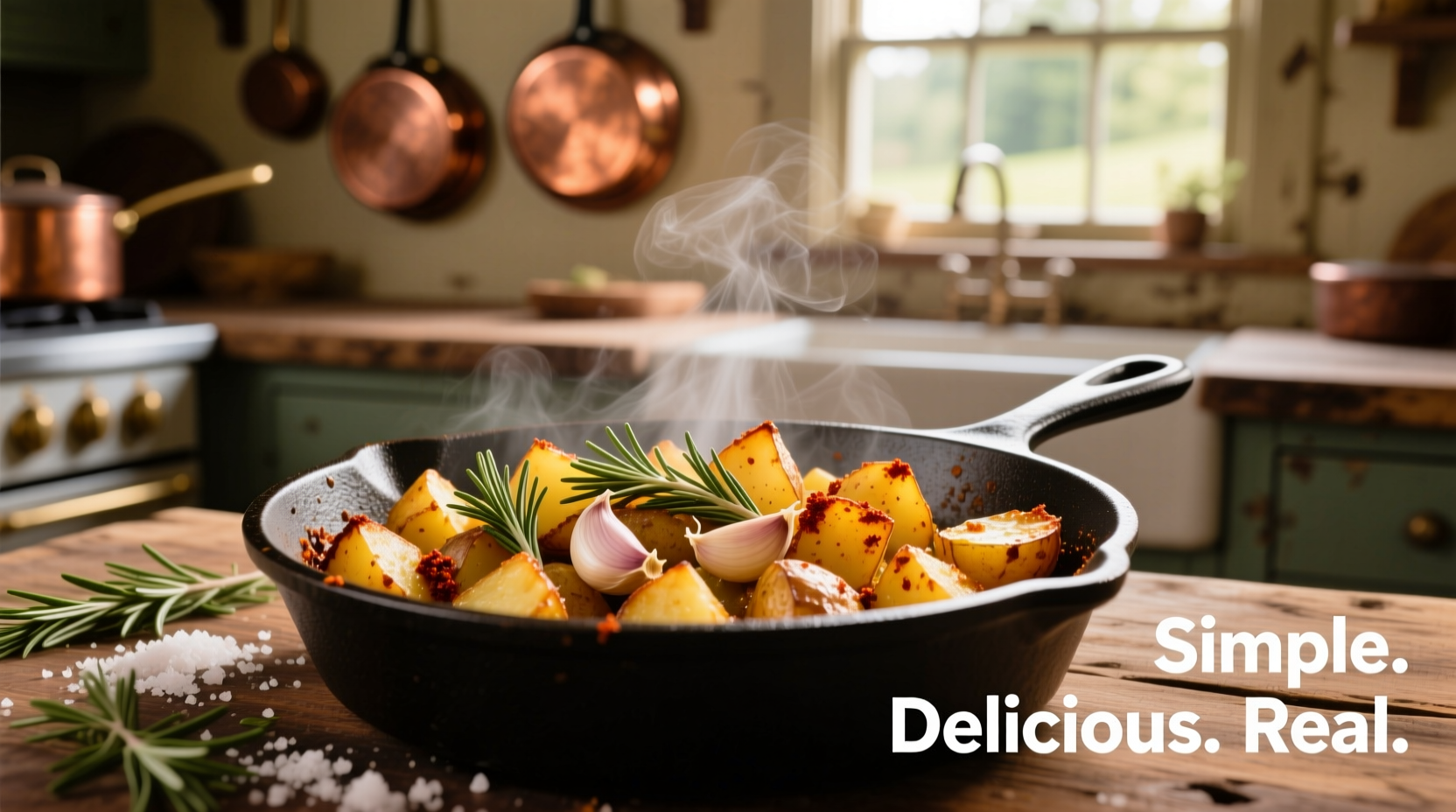
Discover 5 foolproof skillet potato recipes ready in 30 minutes or less using common ingredients and one pan. Achieve perfectly crispy exteriors with tender interiors every time with these tested techniques.
Skillet cooking transforms humble potatoes into restaurant-quality dishes with minimal effort. Unlike boiling or baking, the direct heat contact creates that coveted golden-brown crust while locking in moisture. Whether you're craving breakfast hash or a comforting dinner side, these one-pan wonders deliver maximum flavor with minimal cleanup.
Why Your Skillet Is the Secret to Perfect Potatoes
Professional chefs consistently choose cast iron and carbon steel skillets for potato preparation because of their superior heat retention and even distribution. According to the USDA Food Science Research, potatoes develop optimal texture when cooked between 375°F and 400°F—the precise temperature range maintained by properly preheated skillets. The Maillard reaction (that magical browning process) occurs most effectively in this metal-to-food contact scenario, creating complex flavors you simply can't achieve with other methods.
| Potato Variety | Best For | Cooking Time | Moisture Content |
|---|---|---|---|
| Russet | Frying, roasting | 25-30 min | High starch, low moisture |
| Yukon Gold | All-purpose | 20-25 min | Moderate starch, creamy texture |
| Red Bliss | Boiling, salads | 15-20 min | Waxy, holds shape well |
| Sweet Potato | Roasting, frying | 20-25 min | High sugar content |
Essential Skillet Potato Techniques
Master these fundamentals before attempting any recipe:
- Dry potatoes thoroughly - moisture prevents proper browning (pat with paper towels after washing)
- Preheat your skillet properly - test with water droplets that should dance across the surface
- Use the right fat - avocado oil (smoke point 520°F) or duck fat for highest heat tolerance
- Don't overcrowd the pan - maintain space between pieces for steam to escape
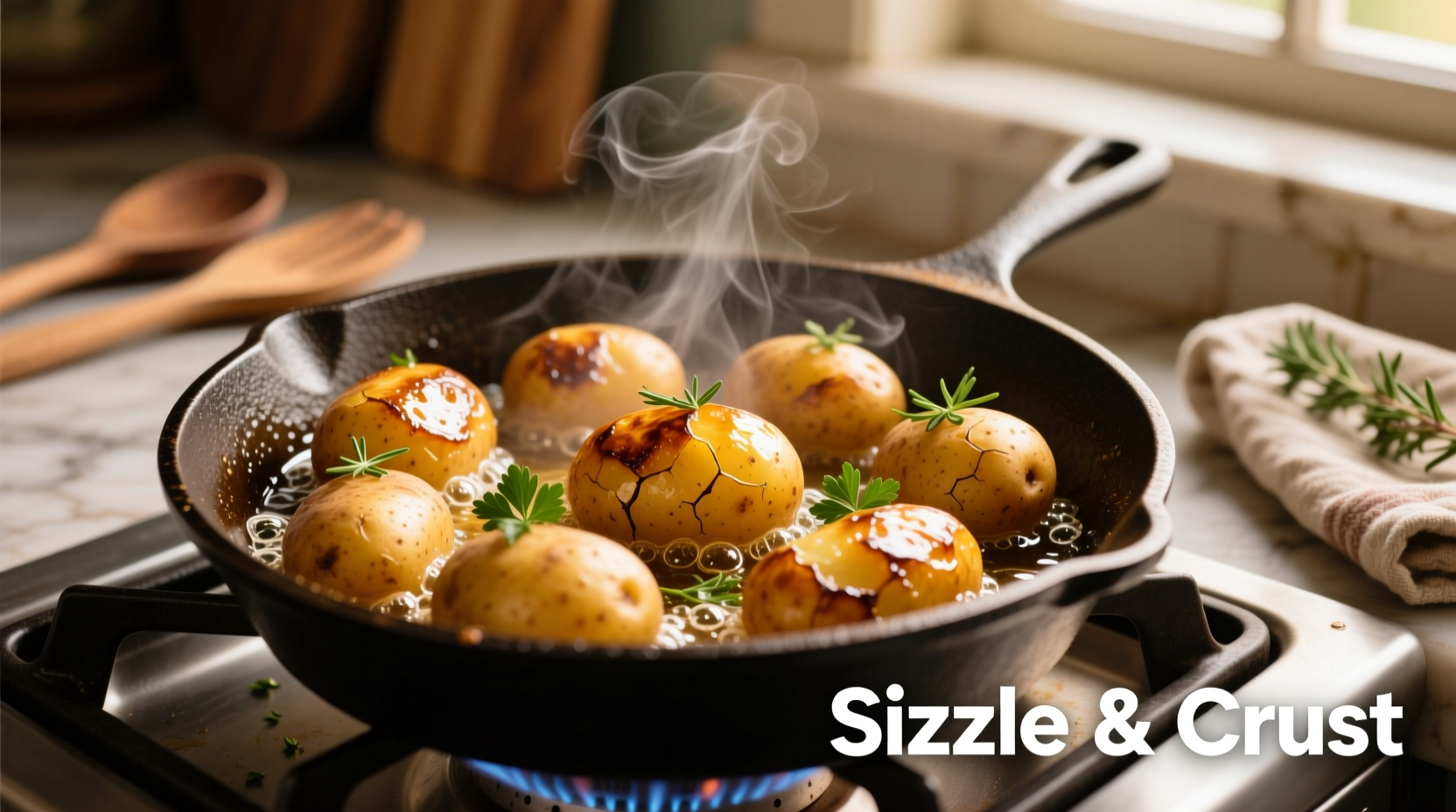
- Resist constant stirring - allow 5-7 minutes between flips for proper crust development
5 Foolproof Skillet Potato Recipes
1. Crispy Breakfast Hash Browns (15 minutes)
Perfect for rushed mornings with 4 ingredients
- 2 cups shredded russet potatoes (squeezed dry)
- 1 tbsp avocado oil
- 1/4 tsp smoked paprika
- Salt and pepper to taste
Shred potatoes using a box grater, squeeze out excess moisture using a clean kitchen towel. Heat oil in preheated skillet over medium-high heat. Spread potatoes in even layer, press down firmly. Cook undisturbed for 6 minutes until golden, flip in sections, cook 4 more minutes. Season and serve immediately.
2. Spanish Tortilla (25 minutes)
Traditional Spanish omelette with creamy interior
- 2 medium Yukon Gold potatoes, thinly sliced
- 1 small onion, diced
- 4 large eggs
- 1/4 cup olive oil
- Salt to taste
Sauté potatoes and onions in olive oil over medium heat for 12 minutes until tender but not browned. Whisk eggs with salt, fold in potato mixture. Return to skillet, cook 8 minutes until set, flip using plate. Cook 3 more minutes. Serve warm or room temperature.
3. Garlic Herb Roasted Potatoes (30 minutes)
Restaurant-quality side dish with minimal effort
- 1.5 lbs baby potatoes, halved
- 3 tbsp duck fat or avocado oil
- 4 garlic cloves, smashed
- 2 sprigs fresh rosemary
- Salt and pepper
Parboil potatoes for 5 minutes, drain thoroughly. Heat fat in skillet over medium-high. Add potatoes cut-side down, garlic, and rosemary. Cook 15 minutes without stirring, flip, cook 8 more minutes until golden. Season and serve.
When Skillet Cooking Works Best (and When It Doesn't)
Skillet preparation excels for dishes requiring crispy exteriors and moist interiors, but has limitations:
- Ideal for: breakfast potatoes, roasted sides, hash browns, potato pancakes, Spanish tortilla
- Limited success: mashed potatoes (boiling yields better texture), baked potatoes (oven creates more even cooking)
- Avoid for: large-batch cooking (overcrowding prevents crisping), delicate potato varieties like fingerlings (may break apart)
According to culinary research from the Culinary Institute of America, skillet cooking achieves optimal results with starchy potatoes (russets, Yukon Golds) cut into 1/2-inch to 3/4-inch pieces. Smaller pieces cook too quickly and burn, while larger pieces won't develop proper internal tenderness before the exterior overcooks.
Troubleshooting Common Problems
Soggy potatoes: You didn't dry them sufficiently or overcrowded the pan. Next time, spread in single layer with space between pieces.
Sticking potatoes: Skillet wasn't properly preheated or you tried to flip too soon. Wait until edges appear golden and release naturally.
Burnt exteriors, raw interiors: Heat was too high. Reduce to medium and consider parboiling denser potato varieties first.
Storage and Reheating Tips
Store leftovers in airtight container for up to 3 days. For best results when reheating:
- Oven method: 400°F for 8-10 minutes on baking sheet
- Skillet method: Medium heat with teaspoon of oil for 5-7 minutes
- Avoid microwave: Creates uneven texture and sogginess
Frequently Asked Questions
- Can I use non-stick skillet for crispy potatoes?
- While possible, non-stick skillets rarely achieve the same level of crispiness as cast iron or carbon steel due to lower maximum heat tolerance. For best results, use traditional metal skillets.
- Why do my potatoes stick to the skillet?
- Potatoes stick when the skillet isn't properly preheated or when you try to flip them too soon. Allow 5-7 minutes of undisturbed cooking time for the natural release to occur as proteins set and caramelize.
- Should I cover the skillet when cooking potatoes?
- Covering traps steam which prevents proper crisping. For maximum browning, cook uncovered throughout the process. If using thicker potato pieces, cover briefly during initial cooking phase then uncover for final crisping.
- How do I prevent potatoes from burning?
- Maintain medium to medium-high heat (not high), use oil with high smoke point, and flip potatoes when edges appear golden. Russets require slightly lower heat than waxy varieties due to higher sugar content.
- Can I add potatoes directly to hot oil?
- Yes, but ensure both skillet and oil are properly preheated first. Cold potatoes in hot oil creates steam that prevents proper searing. Pat potatoes completely dry before adding to hot oil for optimal results.




 浙公网安备
33010002000092号
浙公网安备
33010002000092号 浙B2-20120091-4