
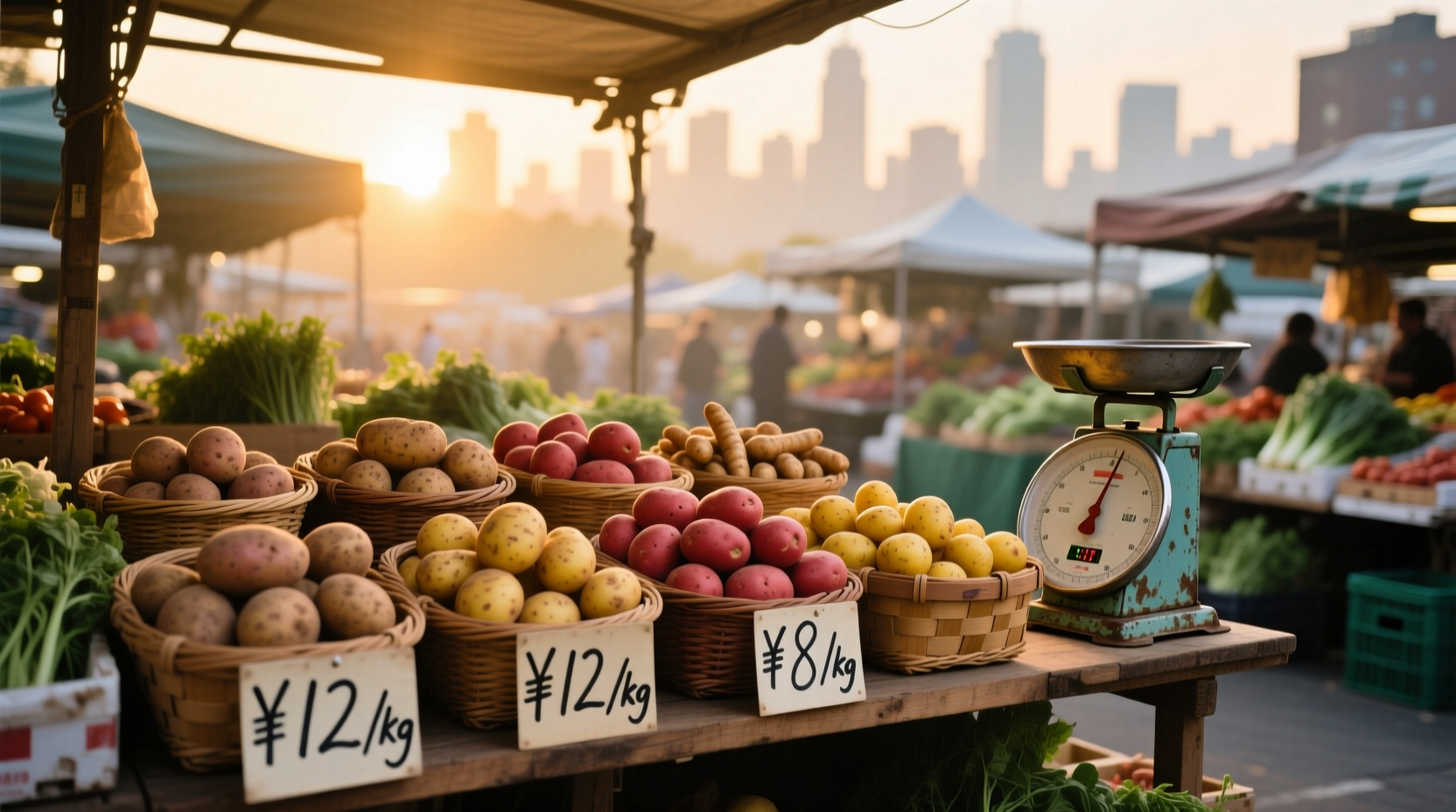
Understanding Today's Potato Market Dynamics
Whether you're a home cook planning meals, a restaurant owner managing food costs, or simply curious about agricultural economics, understanding potato pricing helps make informed decisions. Potatoes remain one of the world's most important staple crops, with global production exceeding 370 million tons annually according to the Food and Agriculture Organization. Let's explore what's driving prices right now and how these fluctuations affect your shopping experience.
Current Potato Price Benchmarks
As of late 2023, potato prices show significant variation across different markets and varieties. The USDA Agricultural Marketing Service reports that Russet potatoes—the most common variety for baking and frying—average $0.65-$0.90 per pound at wholesale markets. Specialty varieties like fingerlings and purple potatoes command premium pricing, often reaching $1.80-$2.50 per pound.
| Variety | Wholesale Price (per lb) | Retail Price (per lb) | Seasonal High | Seasonal Low |
|---|---|---|---|---|
| Russet | $0.65-$0.90 | $0.99-$1.49 | $1.20 | $0.55 |
| Yukon Gold | $0.85-$1.10 | $1.29-$1.79 | $1.45 | $0.75 |
| Red Potatoes | $0.75-$1.00 | $1.19-$1.69 | $1.30 | $0.65 |
| Fingerling | $1.50-$2.00 | $2.29-$2.99 | $2.75 | $1.40 |
This USDA price comparison illustrates how specialty varieties consistently command higher prices, while commodity potatoes experience more significant seasonal fluctuations. Wholesale prices typically represent 60-70% of retail pricing, with the remainder covering transportation, storage, and retail markup.
Key Factors Influencing Potato Prices Right Now
Several interconnected factors determine today's potato pricing landscape:
Weather Patterns and Crop Yields
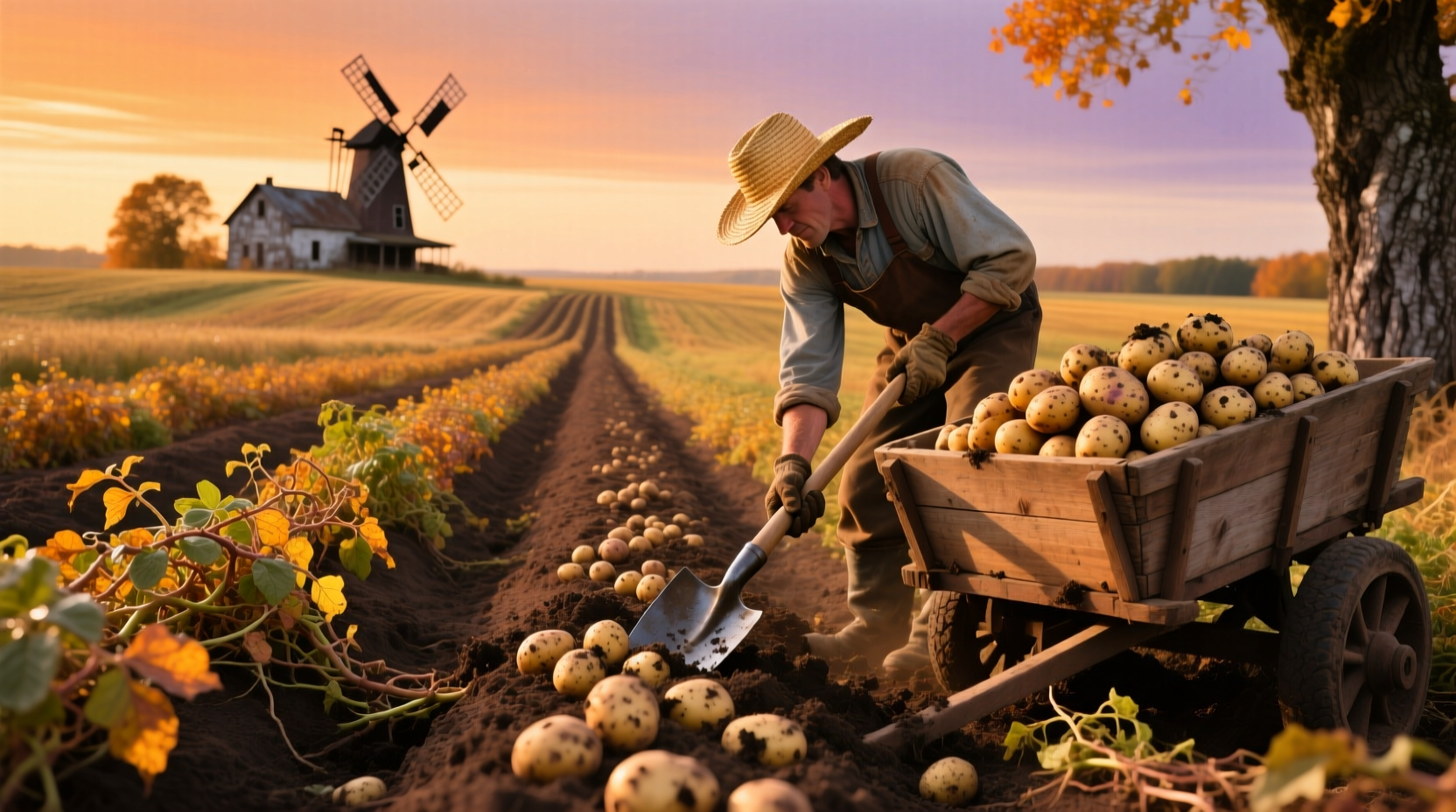
Extreme weather events have significantly impacted potato production in key growing regions. The 2023 growing season saw reduced yields in Idaho (accounting for 30% of U.S. production) due to drought conditions, according to the USDA National Agricultural Statistics Service. When production decreases by 10-15% as it did this year, prices typically increase by 8-12% to balance supply and demand.
Supply Chain Considerations
Transportation costs remain elevated compared to pre-pandemic levels, with diesel prices affecting everything from farm to table. The American Trucking Associations reports that freight costs for agricultural products remain 22% higher than 2019 levels. These increased logistics expenses directly impact final potato pricing, particularly for regions distant from major production areas.
Seasonal Demand Fluctuations
Potato demand follows predictable seasonal patterns, with prices typically lowest in fall after harvest and highest in late winter/early spring. Historical data from the Economic Research Service shows that potato prices average 18% higher in March than in October. This pattern holds true across most potato varieties, though specialty types show less dramatic seasonal variation.
How Potato Pricing Works: From Farm to Grocery Shelf
Understanding the journey potatoes take helps explain final pricing:
- Production Costs: Farmers face expenses for seed, fertilizer, labor, and equipment. In 2023, production costs increased approximately 15% due to higher fertilizer prices.
- Harvest and Storage: Potatoes require careful handling and climate-controlled storage, adding 8-12% to final costs.
- Processing and Distribution: For fresh market potatoes, this stage adds 15-20% to costs; for processed products like frozen fries, the markup is significantly higher.
- Retail Markup: Grocery stores typically apply 30-40% markup to fresh produce to cover operational costs and generate profit.
Practical Tips for Managing Potato Expenses
Whether you're cooking at home or managing a food business, these strategies help navigate potato price fluctuations:
Timing Your Purchases Strategically
Buy potatoes in late summer through early fall when new crops hit the market and prices are typically at their lowest. Avoid purchasing during holiday seasons (Thanksgiving through New Year's) when demand spikes and prices increase 15-25%.
Understanding Variety Value
Not all potatoes serve the same purpose. Russets work best for baking and frying but may be overpriced for boiling applications where cheaper white potatoes suffice. Matching the variety to your cooking needs prevents overspending on unnecessary premium varieties.
Tracking Price Trends
Monitor the USDA's weekly Fresh Fruit and Vegetable Market News for regional price updates. Many grocery chains also publish weekly ad circulars showing current potato specials—sign up for these notifications to time your purchases effectively.
Looking Ahead: Potato Price Projections
Agricultural economists predict moderate potato price increases of 3-5% in 2024, slightly above general inflation rates. The National Potato Council's latest analysis suggests that improved weather conditions in key growing regions may help stabilize prices after the volatility of recent years. However, long-term trends indicate that climate change will continue to introduce uncertainty into potato production and pricing.
For consumers, this means continuing to see seasonal price fluctuations but potentially less dramatic year-to-year volatility. Food service operators should consider building flexible menu options that can accommodate potato price changes without significantly impacting customer experience.
Frequently Asked Questions About Potato Prices
Why do potato prices change so much throughout the year?
Potato prices fluctuate due to seasonal harvest cycles, with lowest prices occurring right after fall harvest when supply is abundant. Prices typically rise through winter and spring as stored potatoes become more expensive to maintain. Weather events, transportation costs, and demand patterns for holidays also contribute to price volatility.
What's the difference between wholesale and retail potato prices?
Wholesale prices represent what retailers pay for potatoes in bulk, typically ranging from $0.50-$1.20 per pound. Retail prices include additional costs for transportation, storage, handling, and store markup, usually adding 30-50% to the wholesale price. Specialty varieties maintain higher markups due to lower supply and higher consumer demand.
Which potato varieties offer the best value for money?
Russet and white potatoes generally provide the best value, especially during fall harvest season when prices dip to $0.50-$0.70 per pound at retail. These varieties work well for multiple cooking methods. For specific applications like roasting, buying in-season specialty varieties during sales can provide better value than purchasing them at premium prices out of season.
How do weather conditions affect potato prices?
Weather significantly impacts potato prices through crop yields. Drought reduces production, increasing prices approximately 8-12% for every 10% decrease in yield. Excessive rain can damage crops and increase storage costs. The USDA reports that extreme weather events have contributed to 60% of recent potato price volatility, making weather monitoring essential for anticipating price changes.
Where can I find current potato price information?
The USDA Agricultural Marketing Service provides weekly price reports through their Fruit and Vegetable Market News portal. Many regional agricultural extensions also publish local price data. Grocery store weekly ads and price comparison apps like Flipp can show real-time retail pricing in your specific area.




 浙公网安备
33010002000092号
浙公网安备
33010002000092号 浙B2-20120091-4