

Potato plague, scientifically known as late blight caused by Phytophthora infestans, is a devastating fungal-like disease that destroys potato crops by attacking leaves, stems, and tubers. This pathogen triggered the Irish Potato Famine in the 1840s, causing over one million deaths and mass emigration. Modern prevention combines resistant varieties, proper crop rotation, and timely fungicide applications.
Understanding the Science Behind Potato Plague
Contrary to its name, potato plague isn't a viral infection but a water mold pathogen (Phytophthora infestans) that thrives in cool, moist conditions. This organism reproduces rapidly through airborne spores that can travel miles in favorable weather. When spores land on potato foliage, they germinate within hours if moisture is present, penetrating plant tissues and causing characteristic lesions.
Unlike common potato diseases, late blight progresses alarmingly fast—entire fields can be destroyed within days under ideal conditions. The pathogen's ability to mutate rapidly has created multiple aggressive strains that overcome previously resistant potato varieties, making ongoing research critical for sustainable agriculture.
Historical Impact: The Irish Potato Famine Timeline
The most catastrophic manifestation of potato plague occurred during the Great Hunger (An Gorta Mór) in Ireland. This timeline reveals how a biological disaster became a human tragedy:
| Year | Key Events | Human Impact |
|---|---|---|
| 1845 | First appearance of late blight in Ireland; 1/3 of crop destroyed | Initial food shortages, price spikes |
| 1846 | Crop failure reaches 75%; famine conditions widespread | Mass starvation begins; workhouse populations surge |
| 1847 | "Black '47" - worst famine year; disease compounded by policy failures | Over 100,000 deaths; peak emigration begins |
| 1848-1852 | Recurring outbreaks; partial recoveries followed by new failures | Approximately 1 million deaths; 2 million emigrated |
According to research from the Irish National Famine Museum, the famine's severity resulted from both the biological catastrophe and socioeconomic factors, including Ireland's dependence on a single potato variety (the Irish Lumper) and inadequate government response.
Identifying Potato Plague: Symptoms and Progression
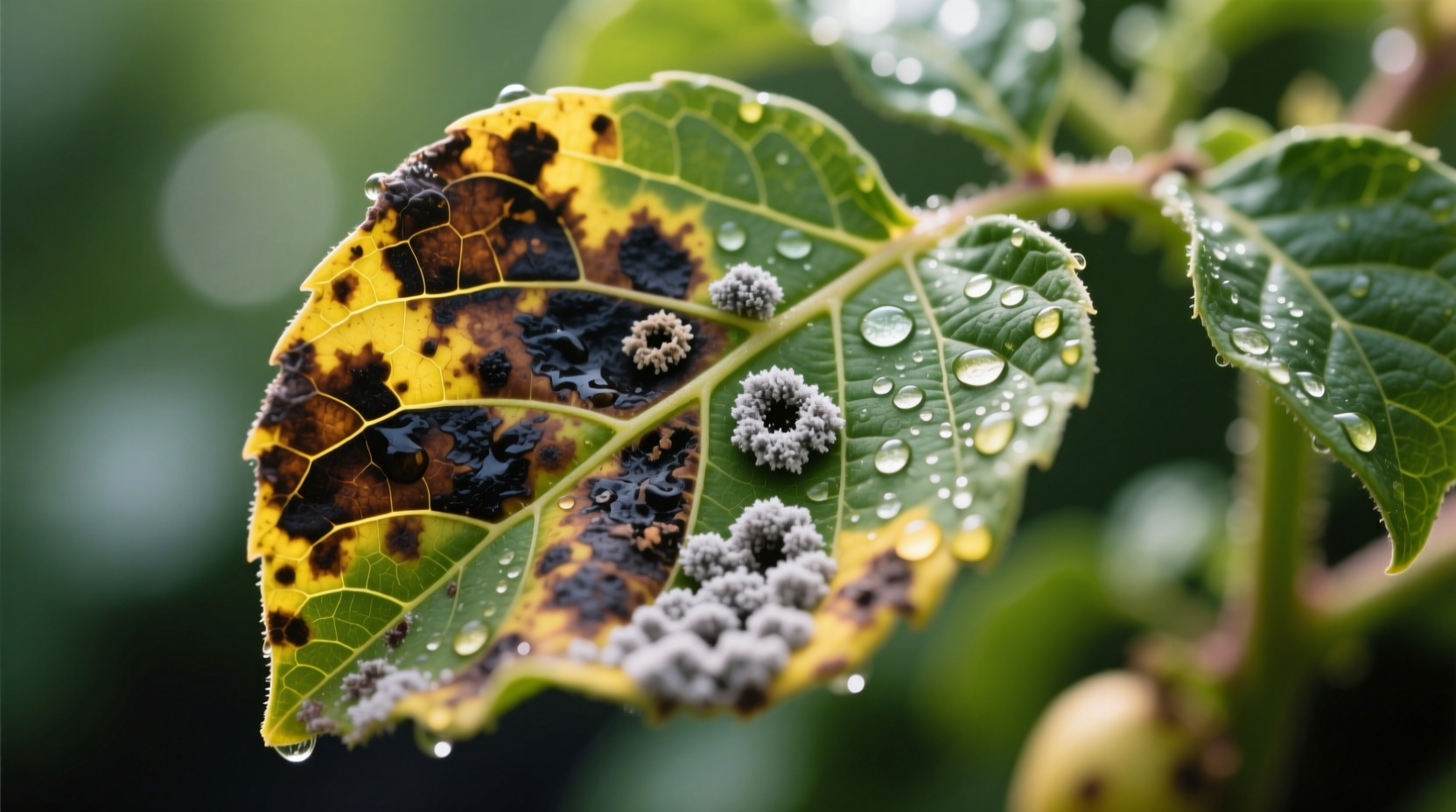
Early detection is crucial for managing outbreaks. Watch for these progression stages:
- Initial infection: Water-soaked lesions on leaves, often starting at edges or tips
- 24-48 hours: Lesions expand rapidly with white fungal growth visible on undersides in humid conditions
- 3-5 days: Blackening and collapse of foliage; characteristic foul odor develops
- Advanced stages: Tubers develop reddish-brown rot beneath skin, extending inward
Unlike early blight (caused by Alternaria solani), late blight progresses much faster and creates irregular lesions without concentric rings. The University of Minnesota Extension notes that accurate identification prevents wasted efforts on ineffective treatments.
Modern Prevention Strategies for Gardeners and Farmers
While we can't eliminate potato plague, these evidence-based approaches significantly reduce risk:
Cultural Controls
- Crop rotation: Minimum 3-year rotation away from potatoes and tomatoes (both nightshades)
- Plant spacing: Wider spacing improves air circulation, reducing leaf wetness duration
- Irrigation management: Water early in day to allow foliage drying; avoid overhead watering
- Sanitation: Remove volunteer potatoes and cull piles that harbor inoculum
Varietal Selection
Choosing resistant varieties provides the most sustainable protection. Research from Cornell University's Potato Program shows these varieties offer significant protection:
- High resistance: Elba, Sarpo Mira, Carolus
- Moderate resistance: Yukon Gold, Russet Burbank, Kennebec
- Susceptible: Irish Lumper (historical), Pontiac, Red Norland
Remember that resistance isn't immunity—during severe outbreaks, even resistant varieties may show symptoms, though progression is significantly slower.
Chemical and Organic Management
When cultural methods aren't sufficient, targeted interventions help:
- Preventive fungicides: Apply before disease onset during high-risk periods (cool, wet weather)
- Organic options: Copper-based sprays or biological controls like Streptomyces lydicus
- Critical timing: Begin applications when plants reach 6-8 inches tall or when conditions favor disease
- Monitoring: Use local disease forecasting systems like USABlight for spray timing guidance
The USDA Agricultural Research Service reports that integrated approaches combining resistant varieties with strategic fungicide applications reduce late blight incidence by 70-90% compared to no management.
Current Research and Future Outlook
Scientists are developing more sustainable solutions to combat potato plague. Recent advances include:
- Genetic engineering: Inserting resistance genes from wild potato relatives into commercial varieties
- Biological controls: Developing microbial treatments that suppress P. infestans
- Precision agriculture: Using drone monitoring and predictive modeling for targeted interventions
- Climate adaptation: Breeding varieties resilient to changing weather patterns that affect disease pressure
According to the USDA Agricultural Research Service, global potato production losses from late blight still total approximately $6.7 billion annually, underscoring the ongoing importance of research and effective management strategies.
Practical Takeaways for Home Gardeners
Implement these immediate actions to protect your potato crop:
- Plant certified disease-free seed potatoes (never use grocery store potatoes)
- Choose at least one resistant variety in your planting mix
- Monitor weather conditions and begin preventive sprays during high-risk periods
- Inspect plants twice weekly during tuber bulking stage (most vulnerable period)
- If disease appears, immediately remove and destroy infected foliage (do not compost)
Remember that potato plague management requires vigilance throughout the growing season. The most successful growers combine multiple strategies rather than relying on a single solution.




 浙公网安备
33010002000092号
浙公网安备
33010002000092号 浙B2-20120091-4