

Understanding the Dual Meaning of “Potato Phone”
When you search for “potato phone,” you're likely encountering two distinct concepts that share the same name but serve completely different purposes. The first is an educational science experiment demonstrating basic electrochemistry principles. The second is tech community slang describing smartphones with extremely poor performance. Understanding which context applies to your search is crucial for finding relevant information.
How Potato Batteries Actually Work (The Science Experiment)
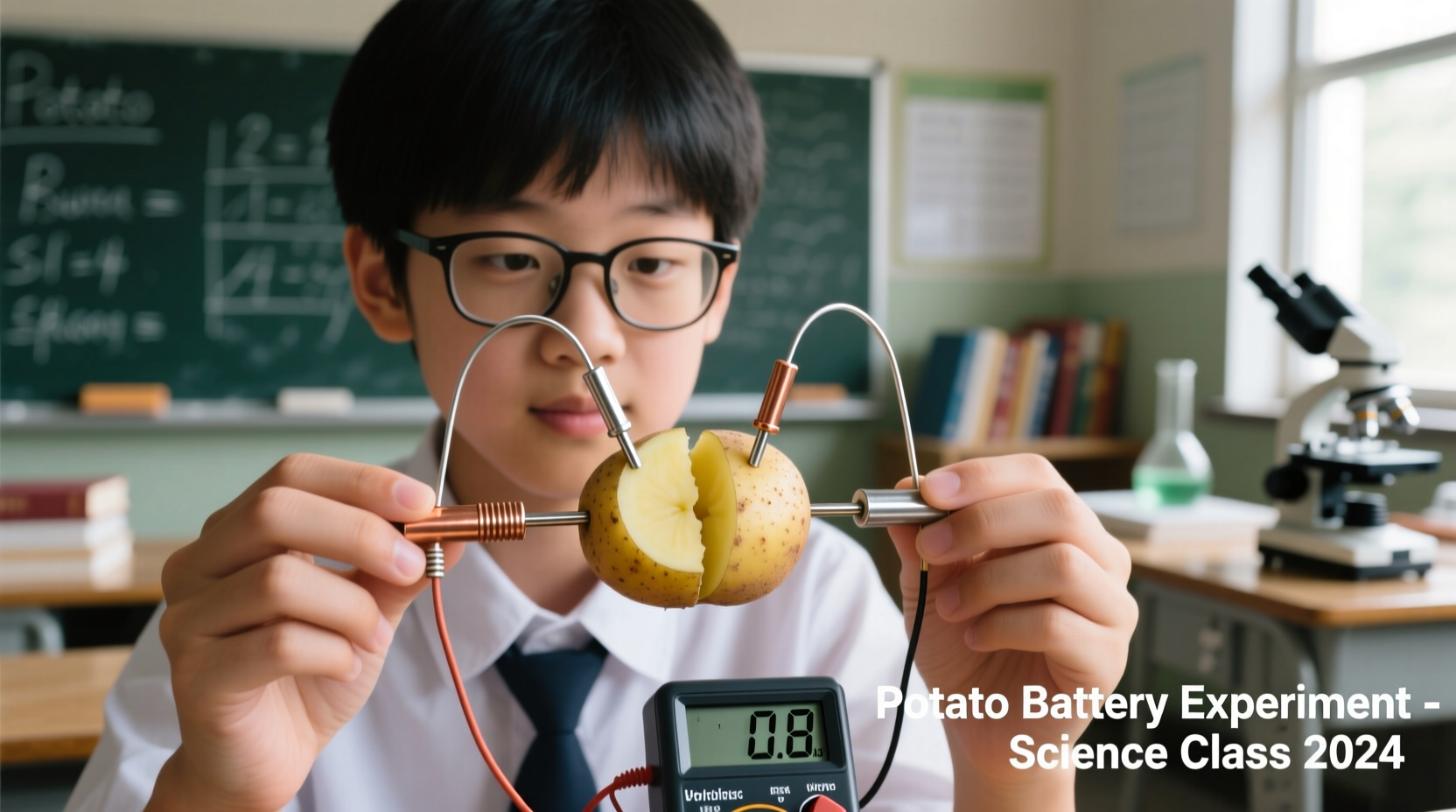
The potato phone experiment demonstrates how simple electrochemical cells function. When two different metal electrodes (typically zinc and copper) are inserted into a potato, the potato's phosphoric acid facilitates a chemical reaction that generates electricity. This isn't “magic”—it's basic electrochemistry where the potato acts as an electrolyte bridge between the electrodes.
According to research published by the Journal of Power Sources, a single potato battery typically generates 0.5-0.8 volts—enough to power extremely low-energy devices like LED lights or simple digital clocks, but insufficient for modern communication technology.
| Vegetable/Fruit | Average Voltage | Practical Duration | Educational Value |
|---|---|---|---|
| Potato | 0.8V | 2-3 weeks | High (consistent results) |
| Lemon | 0.9V | 1-2 weeks | Medium (variable acidity) |
| Apple | 0.6V | 1 week | Medium |
| Tomato | 0.7V | 10 days | High (visual appeal) |
Building a Simple Potato-Powered Circuit: What's Actually Possible
While viral videos sometimes exaggerate capabilities, a properly constructed potato battery can power extremely low-energy devices. Here's what you can realistically achieve with common household materials:
- Powering a small LED for demonstration purposes (requires 2-3 potato cells in series)
- Operating a basic digital clock (with 4-6 potato cells)
- Generating enough current to register on a multimeter
What you cannot do: Make actual phone calls, send texts, or power any modern smartphone components. The voltage and current output from potato batteries are thousands of times weaker than what smartphones require. The Federal Trade Commission has warned about misleading “DIY phone” videos that digitally enhance results.
The Evolution of Potato Battery Experiments in Education
Potato battery experiments have been part of science education since the 1980s, but gained wider popularity through the National Science Teaching Association's curriculum recommendations. The timeline shows how educational applications have evolved:
- 1980s: Basic demonstrations of electrochemical principles in high school physics
- 1990s: Inclusion in standardized science fair project guides
- 2000s: Integration into elementary STEM curricula with simplified materials
- 2010s: Viral video demonstrations (with some exaggerated claims)
- 2020s: Critical analysis of limitations and proper scientific context in classrooms
“Potato Phone” as Tech Community Slang
In online tech communities, calling a smartphone a “potato phone” has become common slang for devices with severely limited performance. This metaphor suggests the phone is:
- Extremely slow (like a potato can't move)
- Low quality or outdated
- Unable to run modern applications smoothly
- Frequently crashing or freezing
According to linguistic analysis from UC Berkeley's Technology Rhetoric Project, this slang emerged around 2015 in mobile gaming forums where players needed to distinguish between devices capable of running graphics-intensive games and those that couldn't.
Practical Applications and Limitations You Should Know
Understanding the boundaries of what potato-powered devices can actually do prevents wasted effort and potential safety issues:
Where Potato Batteries Work Well
- Educational demonstrations of basic circuitry
- Teaching electrochemical principles to middle school students
- Emergency low-power situations (theoretically, with many cells)
Where They Don't Work
- Powering any modern communication technology
- Replacing conventional batteries in electronic devices
- Providing sustainable energy solutions
- Working in cold temperatures (potatoes freeze at 32°F/0°C)
For educational purposes, the experiment remains valuable when presented with accurate scientific context. The American Association of Physics Teachers emphasizes that proper framing—focusing on the scientific principles rather than exaggerated capabilities—makes this a worthwhile classroom activity that meets Next Generation Science Standards for middle school physical science.
Setting Realistic Expectations for Educational Projects
If you're attempting this experiment with students or children, manage expectations by focusing on the learning objectives rather than the output:
- Emphasize the scientific method: hypothesis, testing, observation
- Compare different fruits/vegetables to understand electrolyte properties
- Measure voltage changes over time to learn about energy depletion
- Discuss real-world battery technology and energy storage challenges
Remember that the educational value comes from understanding why the potato generates electricity, not from the limited power output. As noted in educational guidelines from the National Science Teaching Association, the most successful implementations focus on the process rather than the end result.




 浙公网安备
33010002000092号
浙公网安备
33010002000092号 浙B2-20120091-4