
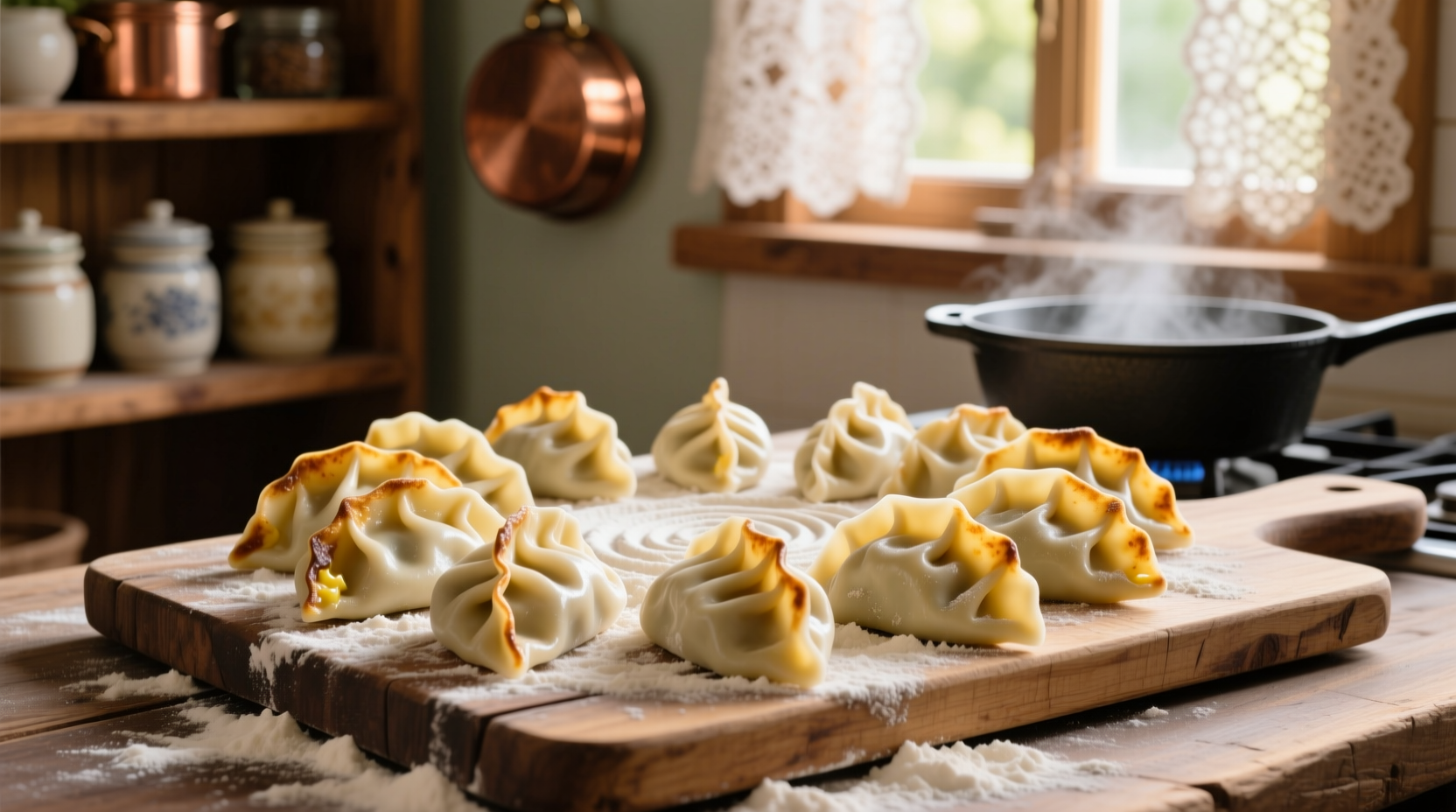
These hearty dumplings combine fluffy mashed potatoes with a tender dough wrapper, creating a satisfying meal that's both simple and deeply flavorful. Whether boiled, pan-fried, or baked, potato perogies deliver that perfect balance of creamy interior and slightly crispy exterior that makes them irresistible.
The Rich History of Potato Perogies
While dumplings have existed across many cultures for millennia, potato perogies as we know them today emerged in Eastern Europe during the late Middle Ages. The introduction of potatoes from the Americas in the 16th century transformed traditional perogy fillings.
| Historical Period | Perogy Evolution | Cultural Significance |
|---|---|---|
| Pre-16th Century | Fillings of fruits, cheese, or grains | Served during religious celebrations |
| 16th-18th Century | Potatoes incorporated after introduction from Americas | Became staple food for peasants and farmers |
| 19th Century | Standardized potato and cheese filling | Symbol of home cooking and family gatherings |
| 20th Century-Present | Commercial production and frozen varieties | Recognized as cultural heritage in Poland and Ukraine |
According to the Polish Ministry of Culture, potato perogies were officially recognized as part of Poland's intangible cultural heritage in 2018, acknowledging their significance in national culinary tradition.
Traditional Preparation Methods
The authentic preparation of potato perogies follows specific techniques passed down through generations. The dough requires just flour, water, egg, and a pinch of salt, rolled thin enough to be tender but strong enough to hold the filling.
For the filling, chefs recommend using starchy potatoes like Russets that yield a light, fluffy texture when mashed. Many traditional cooks add twaróg (farmer's cheese) to the potatoes, creating the classic potato and cheese combination that defines authentic perogies.

Cooking Techniques for Perfect Results
Mastering the cooking process separates good perogies from exceptional ones. Here's what professional chefs recommend:
Boiling Method
Bring a large pot of salted water to a gentle boil. Carefully add perogies and cook until they float to the surface (about 3-4 minutes). Continue cooking for 1-2 minutes after floating. Remove with a slotted spoon to prevent tearing.
Pan-Frying Technique
After boiling, many prefer to pan-fry perogies in butter until golden brown. This creates the beloved crispy exterior while maintaining a soft interior. Add finely diced onions to the pan for traditional flavor enhancement.
Alternative Cooking Methods
For time-pressed cooks, baking frozen perogies at 400°F (200°C) for 15-20 minutes produces excellent results with minimal effort. Air frying works well too, yielding crispy exteriors in about 12 minutes at 375°F (190°C).
Serving Traditions and Modern Variations
Traditional Eastern European serving methods include:
- Sour cream - The classic accompaniment that cuts through the richness
- Caramelized onions - Adds sweetness and depth
- Bacon bits - Provides savory contrast
- Butter and chives - Simple yet elegant presentation
Modern interpretations have expanded the possibilities while respecting tradition. Some creative chefs incorporate roasted garlic into the potato filling or serve perogies with mushroom gravy for special occasions.
Avoiding Common Potato Perogy Mistakes
Even experienced cooks sometimes encounter issues with perogies. Here's how to avoid the most frequent problems:
- Dough too dry - Add water teaspoon by teaspoon until pliable but not sticky
- Filling too wet - Ensure potatoes are thoroughly drained and cooled before mashing
- Perogies bursting - Don't overfill and seal edges thoroughly with fork tines
- Soggy texture - Pan-fry boiled perogies to restore crispness before serving
Nutritionally, potato perogies provide a balanced meal with carbohydrates from the dough, potassium-rich potatoes, and protein when cheese is added. According to USDA FoodData Central, a typical serving of four homemade potato perogies contains approximately 280-320 calories, 8-10g protein, and valuable B vitamins from the potato filling.
Frequently Asked Questions
What's the difference between perogies and pierogies?
Both spellings refer to the same food. "Pierogi" is the Polish spelling (pronounced pee-ROH-gee), while "perogies" is the anglicized version commonly used in North America. The plural form in Polish is "pierogi," with "pieróg" being singular.
Can I make potato perogies ahead of time?
Yes, uncooked perogies freeze exceptionally well. Arrange them in a single layer on a baking sheet, freeze until solid, then transfer to freezer bags. Cook directly from frozen, adding 1-2 minutes to boiling time. Fully cooked perogies also freeze well for up to 3 months.
Why do my potato perogies become soggy?
Sogginess typically occurs when perogies aren't properly sealed, allowing water to enter during boiling, or when they're not pan-fried after boiling. Ensure thorough sealing and always finish boiled perogies in a hot pan with butter to create that desirable crispy exterior.
What's the best potato variety for perogies?
Russet or Yukon Gold potatoes work best for perogies. Russets provide a light, fluffy texture when mashed, while Yukon Golds offer buttery flavor with slightly more moisture. Avoid waxy potatoes like red potatoes, which can become gluey when mashed.
Are potato perogies traditionally served as a main course or side dish?
In Eastern European tradition, potato perogies serve as both. They're commonly the main course for meatless Fridays during Lent, while smaller versions appear as side dishes alongside meats like kielbasa. Modern interpretations vary based on portion size and accompaniments.




 浙公网安备
33010002000092号
浙公网安备
33010002000092号 浙B2-20120091-4