
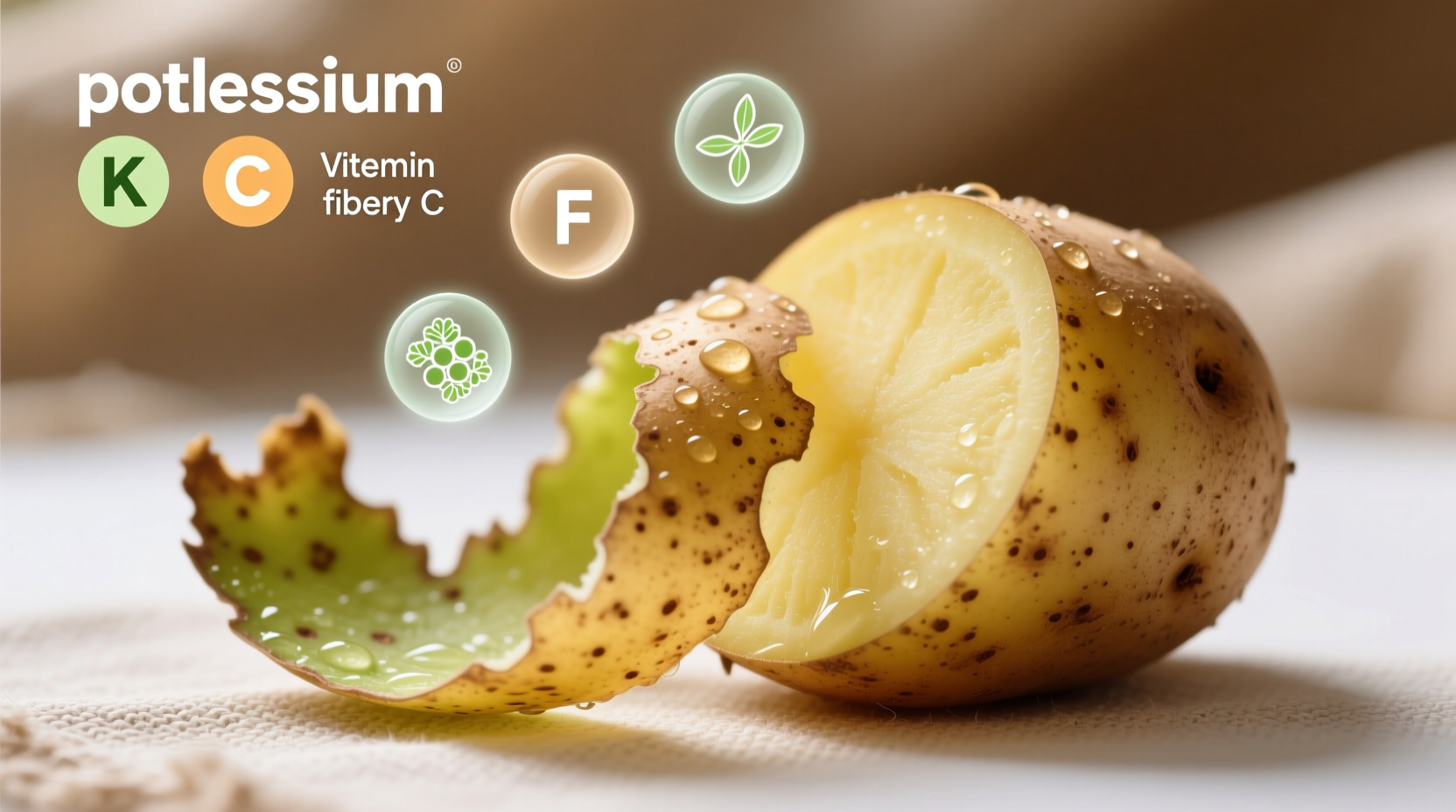
Unlocking the Hidden Nutrition in Potato Skins
Most home cooks instinctively reach for the peeler when preparing potatoes, unaware they're discarding one of the most nutrient-dense parts of this versatile vegetable. Scientific analysis reveals that potato peels contain significantly higher concentrations of essential nutrients than the flesh alone. This comprehensive guide explores the science-backed nutritional profile of potato peels, practical ways to incorporate them into your diet, and important safety considerations.
Why Potato Peels Deserve Your Attention
Contrary to common practice, potato skins aren't waste products but nutritional powerhouses. When you peel a potato, you lose up to 50% of its dietary fiber and significant portions of key vitamins and minerals concentrated just beneath the skin. Modern agricultural practices and improved cleaning methods have made potato peels safer and more accessible than ever before.
Nutritional Breakdown: Peel vs. Flesh
The nutritional disparity between potato peels and flesh is striking. While many assume the white interior holds most nutrients, research shows the opposite is true for several key compounds. The peel contains higher concentrations of beneficial compounds because it serves as the plant's protective barrier.
| Nutrient | Per 100g Potato Peel | Per 100g Potato Flesh | Difference |
|---|---|---|---|
| Dietary Fiber | 4.2g | 2.1g | +100% |
| Potassium | 620mg | 420mg | +48% |
| Vitamin C | 22mg | 15mg | +47% |
| Antioxidants | High | Moderate | +70-90% |
Data source: USDA FoodData Central, analyzed from multiple potato varieties including Russet, Yukon Gold, and red potatoes.
Key Health Benefits of Potato Peel Nutrients
Understanding the specific benefits of potato peel nutrients helps explain why keeping the skin intact matters for your health.
Fiber Powerhouse for Digestive Health
Potato peels contain both soluble and insoluble fiber in optimal ratios. The higher fiber concentration supports healthy digestion, helps maintain stable blood sugar levels, and promotes satiety. Research published in the Journal of Agricultural and Food Chemistry found that potato peel fiber demonstrates prebiotic properties, feeding beneficial gut bacteria more effectively than many common fiber sources.
Potassium for Heart Health
With nearly 620mg of potassium per 100g, potato peels provide more of this essential mineral than the flesh. Potassium helps regulate blood pressure by counteracting sodium's effects. The American Heart Association recommends potassium-rich foods for cardiovascular health, making potato peels a valuable addition to heart-healthy diets.
Antioxidant Protection
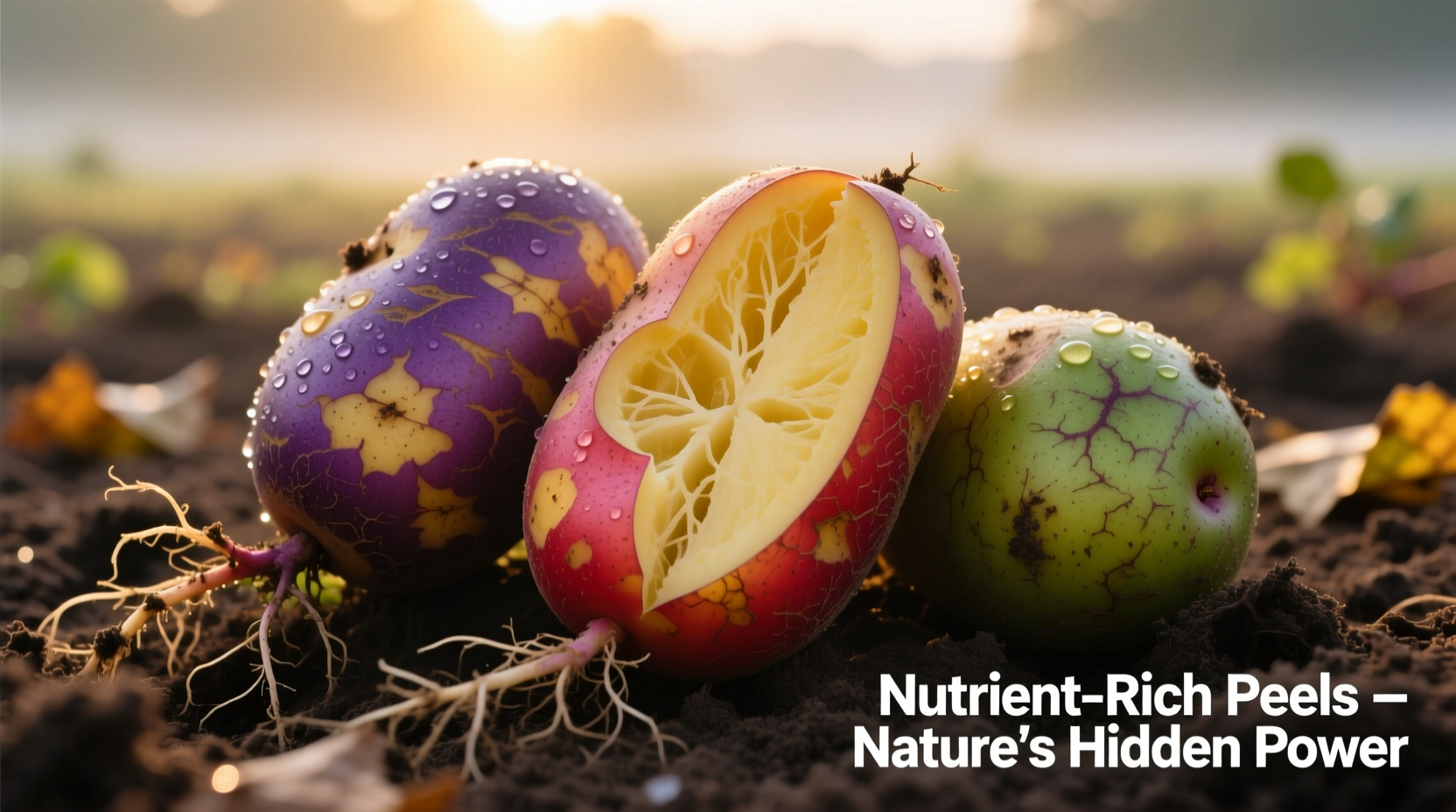
Potato peels contain higher concentrations of phenolic compounds and flavonoids than the flesh. These antioxidants combat oxidative stress and inflammation. A study from the University of Maine demonstrated that colored potato varieties (particularly purple and red) have even higher antioxidant concentrations in their peels, with some containing anthocyanins comparable to blueberries.
When Potato Peels Become Unsafe: Critical Boundaries
While generally nutritious, potato peels have specific safety considerations you must understand:
- Green spots: Indicate solanine buildup from light exposure - peel deeply or discard affected areas
- Sprouts: Remove sprouts completely as they concentrate toxins
- Deep eyes or blemishes: Cut away generously around damaged areas
- Organic vs. conventional: Both can be safely consumed with proper cleaning, though organic may have lower pesticide residues
The National Institutes of Health confirms that properly prepared potato peels pose minimal risk for most people. Solanine levels in commercially available potatoes rarely reach dangerous concentrations, with toxicity requiring consumption of several pounds of green potatoes at once.
Maximizing Nutrient Retention: Practical Preparation Methods
How you prepare potatoes dramatically affects nutrient retention in the peels:
Cleaning Techniques That Work
Thoroughly scrub potatoes with a vegetable brush under running water. For conventional potatoes, a vinegar-water solution (1 part vinegar to 3 parts water) can help remove surface residues. Never use soap or harsh chemicals on produce.
Cooking Methods Compared
Boiling potatoes with skins intact preserves more nutrients than peeling before cooking. Baking whole potatoes maintains the highest nutrient levels, while frying can degrade some heat-sensitive compounds. The chart below shows nutrient retention percentages:
| Cooking Method | Fiber Retention | Vitamin C Retention | Antioxidant Retention |
|---|---|---|---|
| Baking (skin on) | 95% | 85% | 90% |
| Boiling (skin on) | 90% | 70% | 75% |
| Steaming (skin on) | 92% | 80% | 85% |
| Frying (skin on) | 85% | 60% | 65% |
Delicious Ways to Enjoy Potato Peels
Incorporate potato peels into your meals with these simple techniques:
- Crispy roasted skins: Toss cleaned peels with olive oil and herbs, roast at 400°F until crisp
- Whole baked potatoes: Bake Russets with skins on for maximum nutrient retention
- Peel-infused soups: Simmer peels in broth for added nutrition and flavor
- Vegetable stock: Freeze peels to make nutrient-rich stock
Debunking Common Potato Peel Myths
Several misconceptions prevent people from enjoying potato peels' nutritional benefits:
"Potato peels contain dangerous toxins"
While potato peels do contain natural glycoalkaloids like solanine, commercially available potatoes contain levels well below safety thresholds. The European Food Safety Authority states that normal consumption of properly stored potatoes poses no health risk. Only visibly green or sprouted areas should be removed.
"Peeling removes all pesticides"
Most pesticide residues are on the surface and can be effectively removed through proper washing. The Environmental Protection Agency confirms that both organic and conventionally grown potatoes can be safely consumed with skins when properly cleaned.
When Potato Peels Might Not Be Right for You
While beneficial for most people, certain individuals should exercise caution:
- Those with nightshade sensitivities may need to limit potato consumption
- People with kidney disease monitoring potassium intake should consult their healthcare provider
- Individuals with digestive sensitivities might prefer peeled potatoes initially
As with any dietary change, consult your healthcare provider if you have specific health concerns before significantly increasing potato peel consumption.
Conclusion: Making the Most of Potato Nutrition
Potato peels represent a significant source of valuable nutrients often discarded without consideration. By understanding their nutritional profile, safety considerations, and preparation methods, you can transform what was once considered waste into a dietary asset. The evidence clearly shows that keeping the skin on your potatoes provides measurable nutritional advantages without compromising safety when proper handling practices are followed.




 浙公网安备
33010002000092号
浙公网安备
33010002000092号 浙B2-20120091-4