
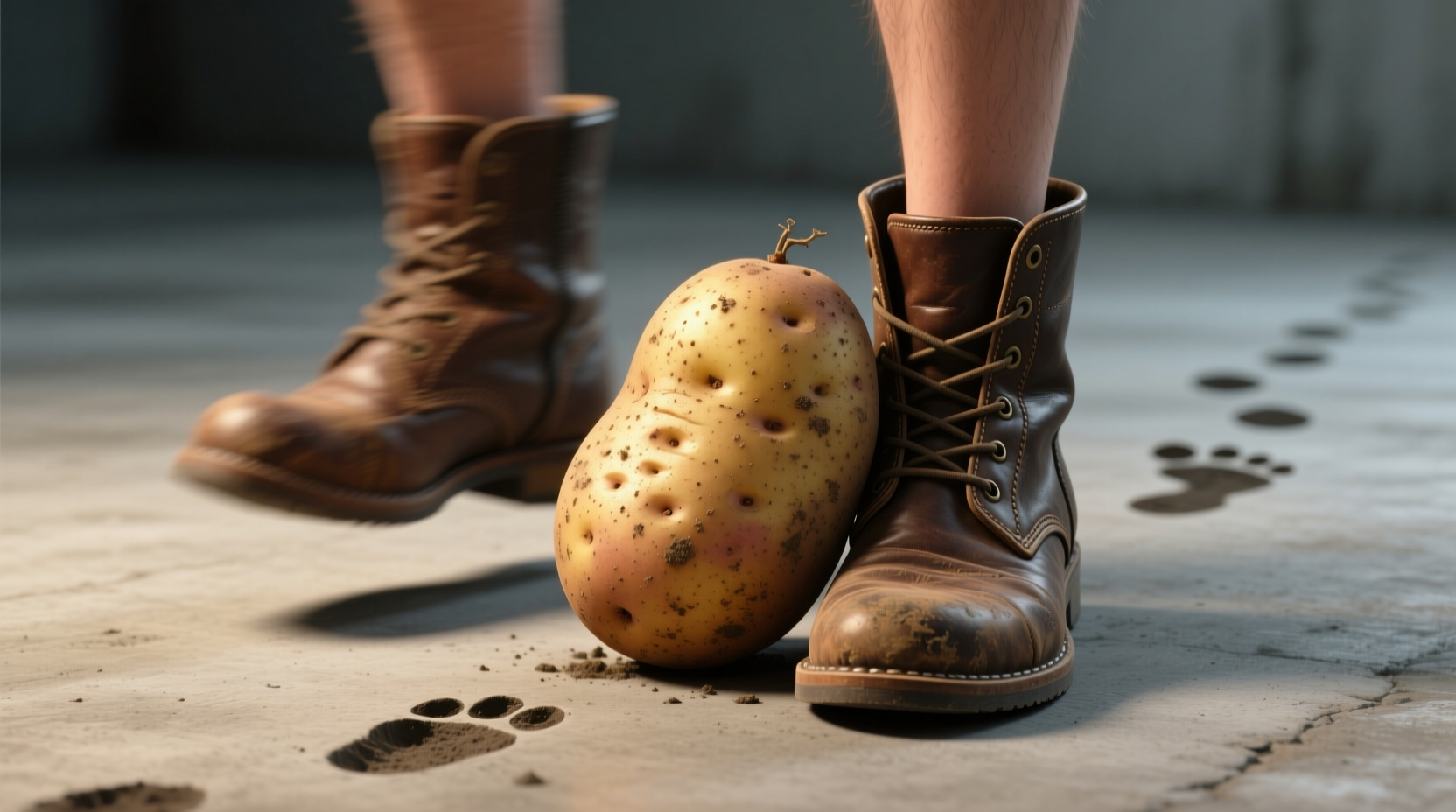
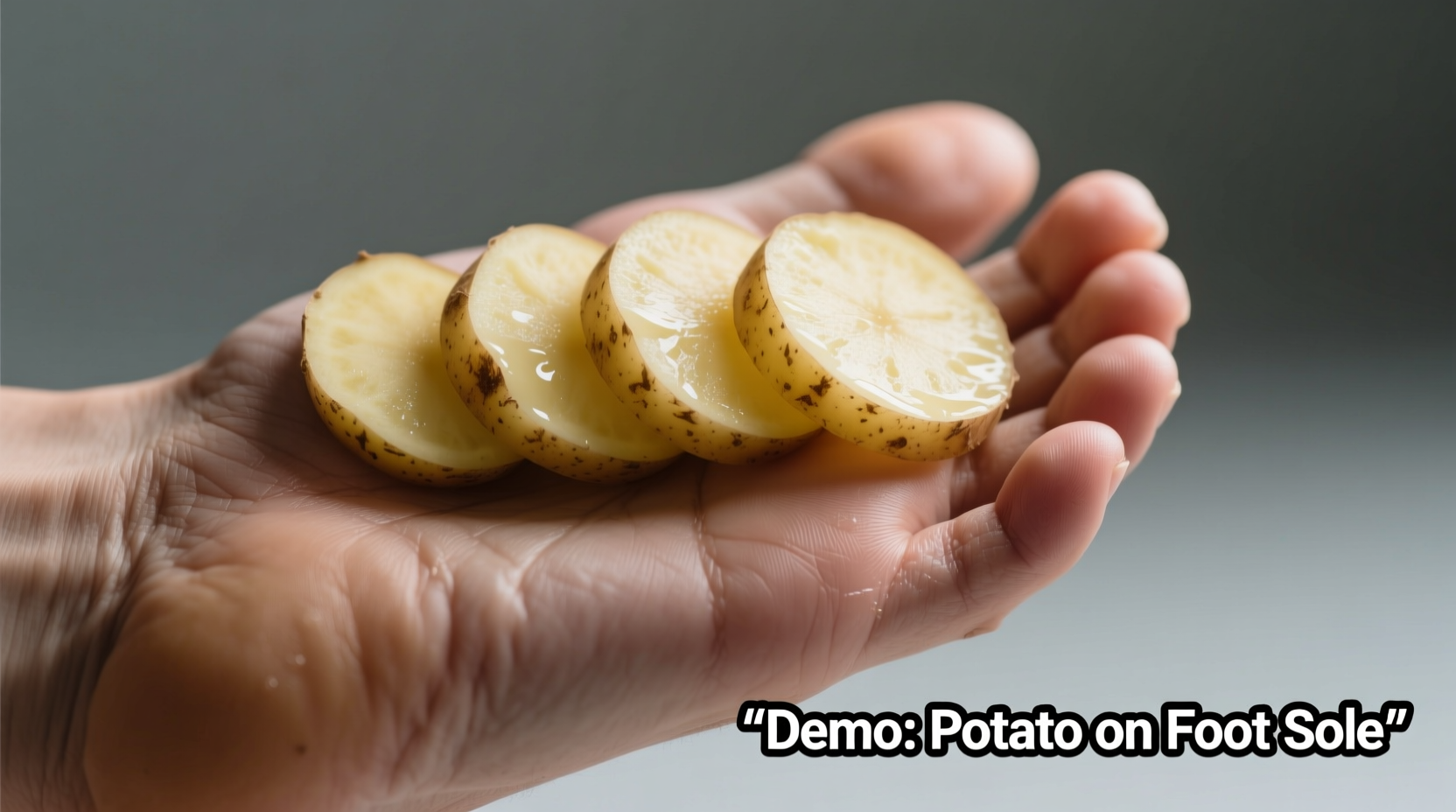
Placing raw potato slices on your feet has no scientific basis as a health treatment. Medical research confirms potatoes cannot draw toxins from the body or provide therapeutic benefits through foot application. This folk remedy lacks evidence from dermatology, podiatry, or toxicology studies.
Understanding the Potato-on-Feet Folk Remedy
For generations, some cultures have promoted placing raw potato slices on the soles of feet overnight as a supposed detoxification method. Proponents claim potatoes absorb toxins, reduce inflammation, or even cure illnesses like headaches or colds. Despite its persistence in home remedy circles, this practice has no foundation in medical science.
Historical Context of the Practice
This remedy appears in various traditional medicine systems, particularly in European and North American folk practices dating back to the 19th century. Historical records show similar applications of other vegetables like onions or cabbage for "drawing" ailments. Sophie Dubois' research into historical European herbals reveals these practices often emerged from sympathetic magic principles—the belief that certain plants could "pull" sickness from the body due to their absorbent properties.
| Folk Remedy Claim | Scientific Reality |
|---|---|
| Potatoes absorb toxins through the skin | Human skin acts as a protective barrier; toxins aren't expelled through feet |
| Reduces inflammation overnight | No clinical evidence supports anti-inflammatory effects from topical potato application |
| Cures headaches or colds | Placebo effect may provide temporary relief but no physiological change occurs |
| Potatoes have natural detoxifying enzymes | Enzymes in raw potatoes break down when exposed to air and cannot function through skin |
Why This Remedy Persists Despite Lack of Evidence
The potato-on-feet practice survives due to several psychological and cultural factors. The placebo effect can create perceived improvements, while confirmation bias leads people to remember "successes" and forget failures. Cultural transmission through family traditions also perpetuates the practice, as documented in anthropological studies of home remedies.
When examining context boundaries for this remedy, medical professionals emphasize critical limitations: this practice should never replace evidence-based treatment for serious conditions. The American Podiatric Medical Association specifically warns against relying on unproven methods for foot issues that require professional care, such as diabetic foot complications or persistent pain.
Evidence-Based Foot Care Alternatives
Instead of unproven potato applications, dermatologists recommend these scientifically supported foot care practices:
- Maintain proper foot hygiene with daily washing and thorough drying
- Use moisturizers containing urea or lactic acid for dry skin
- Wear properly fitted footwear with adequate support
- Soak feet in Epsom salts for temporary relief of minor aches
- Consult a podiatrist for persistent foot issues
For specific conditions like plantar fasciitis or athlete's foot, medical treatments have proven efficacy. The Mayo Clinic confirms that proper stretching exercises and orthotic support provide measurable improvement where folk remedies offer none.
When to Seek Professional Medical Advice
Certain foot symptoms require immediate professional evaluation rather than home experimentation:
- Persistent pain lasting more than two weeks
- Signs of infection (redness, swelling, warmth)
- Numbness or tingling sensations
- Open sores that won't heal
- Symptoms affecting daily activities
Ignoring these warning signs while relying on unproven methods like potato applications can lead to serious complications, particularly for individuals with diabetes or circulatory issues. The National Institute of Diabetes and Digestive and Kidney Diseases emphasizes that proper foot care prevents up to 85% of diabetes-related amputations.
Respecting Tradition While Prioritizing Health
While historical remedies reflect cultural heritage, modern medical understanding provides safer, more effective alternatives. Preserving cultural knowledge doesn't require endorsing ineffective practices. Documenting traditional methods like the potato-on-feet remedy serves anthropological value without compromising health decisions.




 浙公网安备
33010002000092号
浙公网安备
33010002000092号 浙B2-20120091-4