
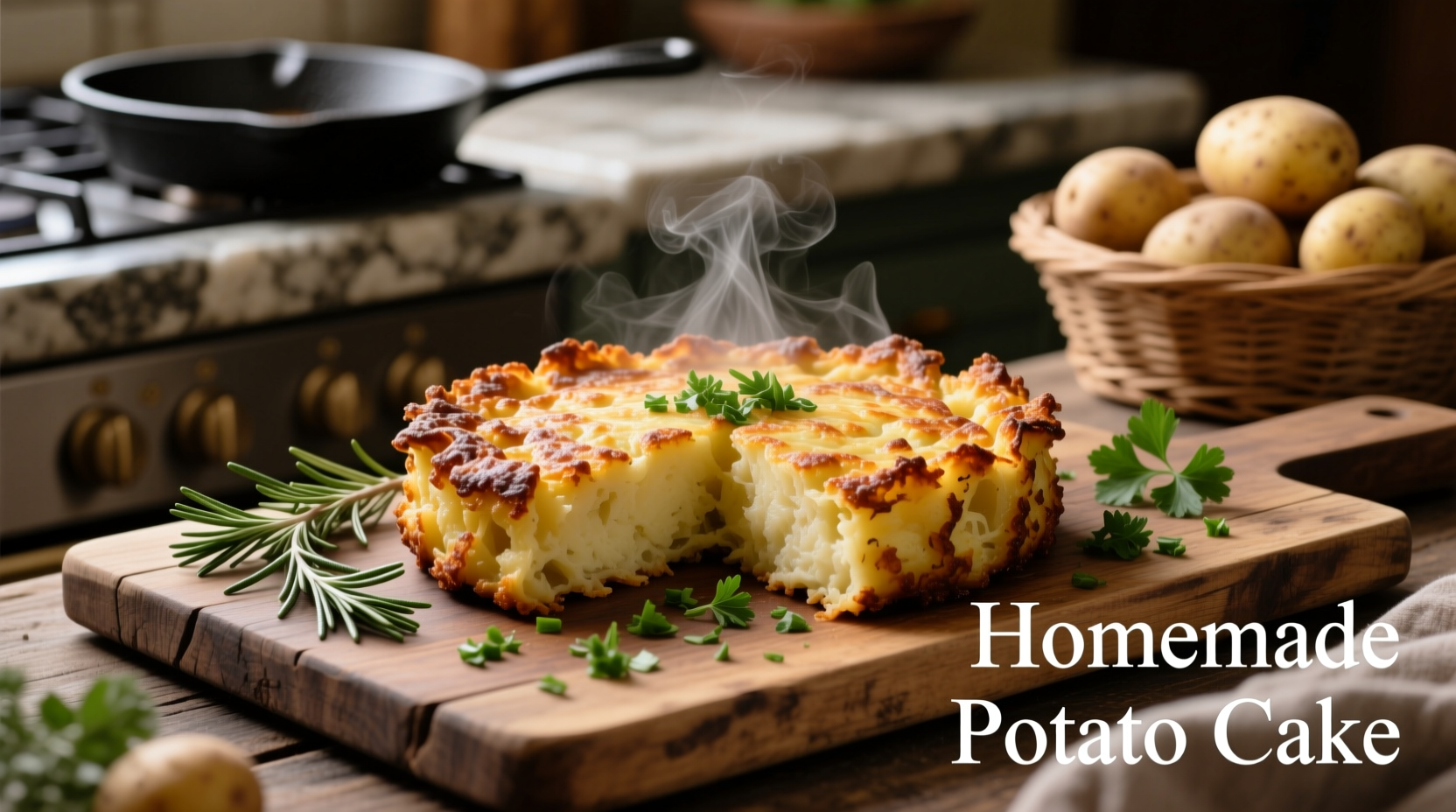
Why Potatoes Deserve Center Stage in Your Meal
For centuries, potatoes have been relegated to side dish status in many Western cuisines, but global culinary traditions prove their potential as satisfying main courses. According to USDA nutritional data, a medium baked potato (173g) provides 161 calories, 4.3g protein, and 37g carbohydrates - making it an excellent energy base when complemented with protein sources. The key to transforming potatoes into substantial main dishes lies in strategic pairing and portion adjustment.
Planning Your Potato-Centric Meal
Before you start cooking, understand that main dish potatoes require different considerations than side dishes. Main course portions should be 50% larger than typical side servings, incorporating complementary ingredients that boost protein content to 15-20g per serving. Professional kitchens follow the "50-30-20" rule for potato mains: 50% potato, 30% protein, and 20% vegetables or sauce.
Choosing the Right Potato Variety
Not all potatoes work equally well as main dishes. The starch content determines whether a variety holds shape or creates creamy textures - crucial for main dish structure. Here's how leading culinary institutions classify potato types:
| Starch Level | Varieties | Main Dish Applications | Texture Result |
|---|---|---|---|
| High Starch | Russet, Idaho | Baked potatoes, gnocchi, gratins | Fluffy, absorbs flavors well |
| Medium Starch | Yukon Gold, Kennebec | Potato salads, soups, casseroles | Creamy yet holds shape |
| Low Starch | Red Bliss, Fingerling | Roasted vegetable medleys, potato pancakes | Firm, maintains structure |
This classification system, verified by the International Potato Center's research (potatocenter.org/varieties), helps home cooks select appropriate varieties for different main dish applications. High-starch potatoes excel in dishes requiring absorption of sauces and flavors, while waxy varieties maintain integrity in chunky preparations.
Global Potato Main Dish Traditions
Potatoes originated in the Andes mountains of South America, where indigenous communities developed sophisticated main dish preparations long before European contact. This historical context explains why Latin American cuisines feature potatoes prominently as centerpieces:
Andean Potato Timeline
The journey of potatoes from Andean staple to global main dish ingredient follows this evolution:
- 8000 BCE: First potato domestication in modern-day Peru and Bolivia
- 1530s: Spanish conquistadors introduce potatoes to Europe
- 1700s: Potatoes become staple food across Europe, initially as side dishes
- 1800s: Development of main dish preparations like German kartoffelsuppe
- 1950s: Rise of convenience potato products shifts perception to side dish status
- 2000s: Culinary revival of potatoes as main dishes in farm-to-table movement
This historical progression, documented by the Food and Agriculture Organization (fao.org/potato-2008), explains regional differences in potato preparation. In South America, where potatoes originated, they've always been treated as substantial main components rather than accompaniments.
Essential Techniques for Main Dish Potatoes
Transforming potatoes into satisfying main courses requires specific techniques that maximize flavor, texture, and nutritional balance:
Protein Integration Methods
Successful potato main dishes incorporate protein through three primary methods:
- Direct incorporation: Mixing proteins like beans, cheese, or meat directly into potato preparations
- Layering: Creating structured dishes with alternating potato and protein layers
- Complementary plating: Serving potato components alongside substantial protein portions
Culinary science shows that adding protein during the final 15 minutes of cooking preserves texture integrity. The American Culinary Federation recommends maintaining a 2:1 potato-to-protein ratio by volume for balanced main dishes.
Cooking Method Considerations
Different cooking techniques create distinct results for main dish applications. Understanding these context boundaries ensures successful execution:
- Baking: Best for high-starch potatoes; creates fluffy interiors ideal for loaded preparations
- Pan-frying: Works well with medium-starch varieties; creates crispy exteriors while maintaining structure
- Boiling: Suitable for waxy potatoes in soups and stews; preserves shape in liquid environments
- Roasting: Universal technique that enhances natural sweetness through caramelization
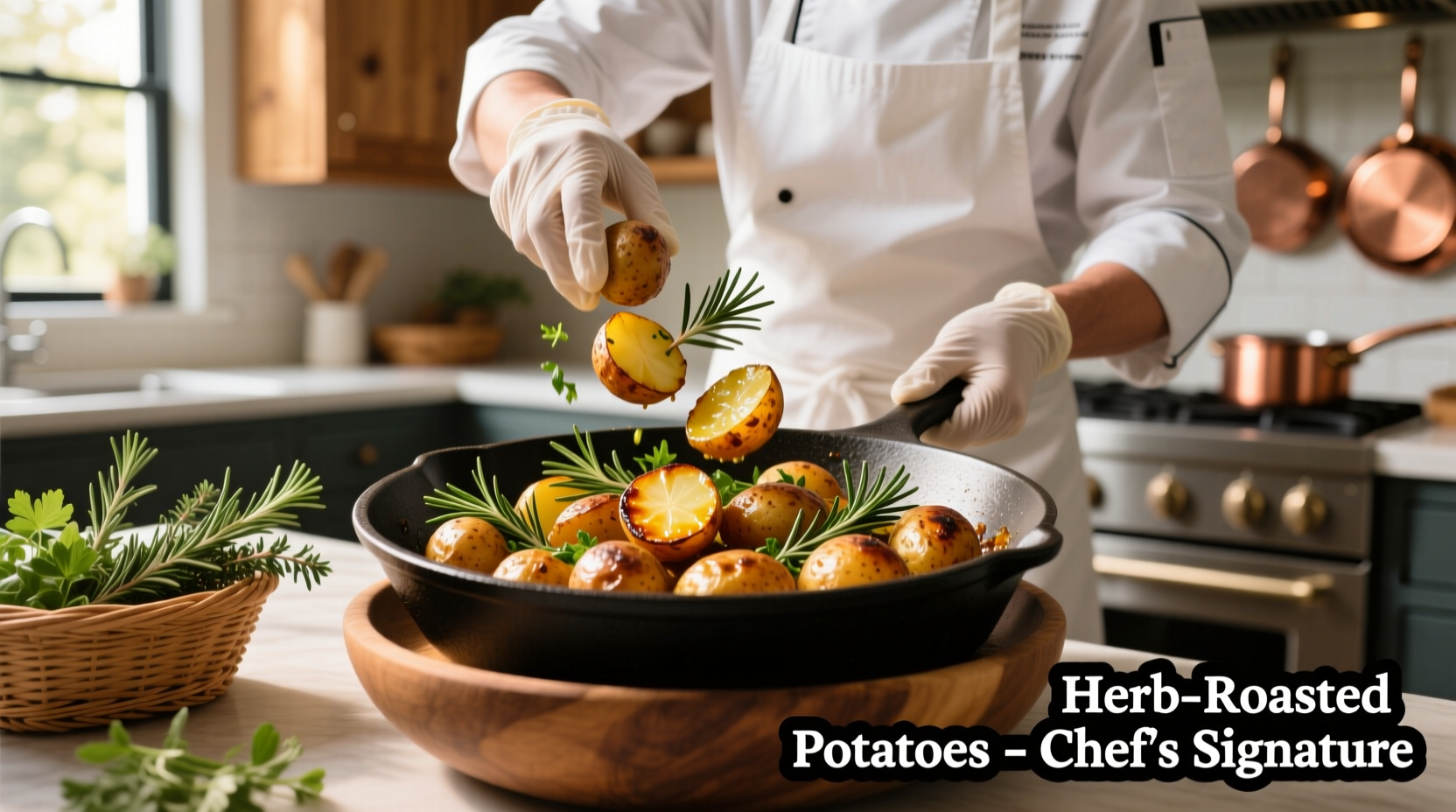
Three Chef-Tested Potato Main Dish Recipes
Andean-Style Potato & Quinoa Bake
This South American-inspired main dish combines potatoes with complete-protein quinoa for a nutritionally balanced meal:
- Prep time: 20 minutes | Cook time: 45 minutes | Servings: 4
- Ingredients: 3 medium russet potatoes (sliced), 1 cup cooked quinoa, 1 cup black beans, 1 bell pepper (diced), 1 cup corn, 1 cup vegetable broth, 2 tbsp cumin, 1 cup shredded cheese
Method: Layer potatoes, quinoa, and vegetables in greased baking dish. Pour broth over layers, sprinkle with spices and cheese. Cover and bake at 375°F for 30 minutes. Uncover and bake 15 more minutes until golden. Rest 10 minutes before serving.
Mediterranean Potato & Chickpea Stew
A protein-rich one-pot meal featuring potatoes as the substantial base:
- Prep time: 15 minutes | Cook time: 35 minutes | Servings: 4
- Ingredients: 4 Yukon Gold potatoes (cubed), 2 cups cooked chickpeas, 1 onion (chopped), 3 garlic cloves, 1 can diced tomatoes, 2 cups vegetable broth, 1 tsp smoked paprika, 1 cup spinach
Method: Sauté onion and garlic until translucent. Add potatoes, chickpeas, tomatoes, broth, and paprika. Simmer covered 25 minutes until potatoes are tender. Stir in spinach and cook 5 more minutes. Serve with crusty bread.
Spanish Tortilla with Vegetable Variations
The classic Spanish omelet reimagined as a substantial main course:
- Prep time: 20 minutes | Cook time: 25 minutes | Servings: 4
- Ingredients: 4 large potatoes (thinly sliced), 6 eggs, 1 onion (sliced), 1 zucchini (sliced), 1 red pepper (sliced), 1/2 cup olive oil, salt to taste
Method: Cook potatoes and onions in oil over medium heat until tender (15 minutes). Whisk eggs with salt. Drain potatoes, reserving 2 tbsp oil. Mix potatoes with eggs and vegetables. Cook in oiled skillet 10 minutes until set. Flip and cook 5 more minutes. Serve warm or at room temperature.
Serving and Storage Guidelines
When presenting potato main dishes, follow professional plating techniques that highlight their center-stage status. Use white plates to showcase colors, and arrange components asymmetrically for visual interest. Potato mains pair exceptionally well with bitter greens (arugula, radicchio) that cut through starchiness.
For storage, cooked potato dishes maintain quality for 3-4 days refrigerated. The National Center for Home Food Preservation (nchfp.uga.edu) recommends reheating potato dishes to 165°F internal temperature. Leftover potato mains transform beautifully into next-day frittatas or croquettes.
Maximizing Success with Potato Main Dishes
Avoid common pitfalls by following these professional tips:
- Season potatoes at multiple stages - when cooking and again before serving
- Use acid (lemon juice or vinegar) to brighten heavy potato dishes
- Add fresh herbs just before serving to maintain vibrant flavor
- Include textural contrasts (crispy toppings, crunchy vegetables)
- Balance starch with bitter or acidic components




 浙公网安备
33010002000092号
浙公网安备
33010002000092号 浙B2-20120091-4