
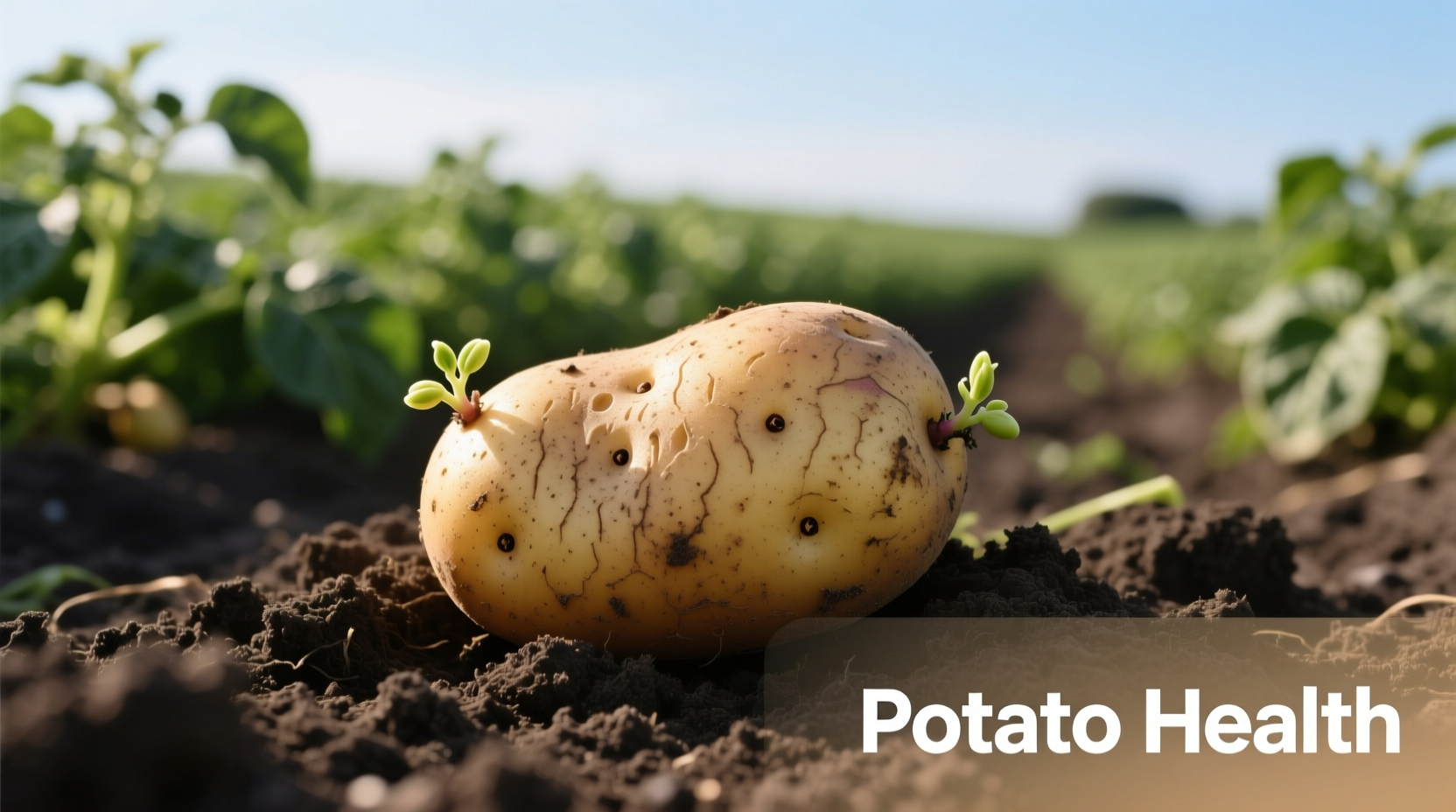
Unlocking Potato Nutrition: What Science Reveals
When evaluating potato health impacts, understanding the complete nutritional profile is essential. Many people mistakenly categorize potatoes as "empty carbs," but this oversimplification ignores their rich nutrient composition. The truth about potato health benefits depends heavily on preparation methods, portion sizes, and overall dietary context.
Potato Nutritional Powerhouse Profile
Contrary to popular belief, potatoes rank among the most nutrient-dense staple foods when prepared properly. The nutritional value changes dramatically based on whether you include the skin and your cooking method.
| Nutrient | Per Medium Potato (150g) | Daily Value % | Key Health Benefit |
|---|---|---|---|
| Calories | 160 | 8% | Energy source |
| Fiber | 3.6g | 12% | Digestive health, blood sugar regulation |
| Potassium | 926mg | 26% | Blood pressure regulation |
| Vitamin C | 17mg | 27% | Immune function, antioxidant |
| Vitamin B6 | 0.4mg | 19% | Metabolism, brain health |
| Manganese | 0.2mg | 11% | Bone health, metabolism |
Data source: USDA FoodData Central
Science-Backed Health Benefits of Potatoes
Research published in the American Journal of Clinical Nutrition demonstrates that potatoes, when prepared using healthy cooking methods, contribute positively to dietary patterns. The key health benefits include:
Cardiovascular Support Through Potassium
With more potassium than bananas, potatoes help regulate blood pressure. The Centers for Disease Control and Prevention identifies potassium as crucial for cardiovascular health, noting that adequate intake can reduce stroke risk by 24%.
Digestive Health from Resistant Starch
Cooling cooked potatoes increases resistant starch content, which functions as a prebiotic. According to research from the National Center for Complementary and Integrative Health, resistant starch feeds beneficial gut bacteria and may improve insulin sensitivity.
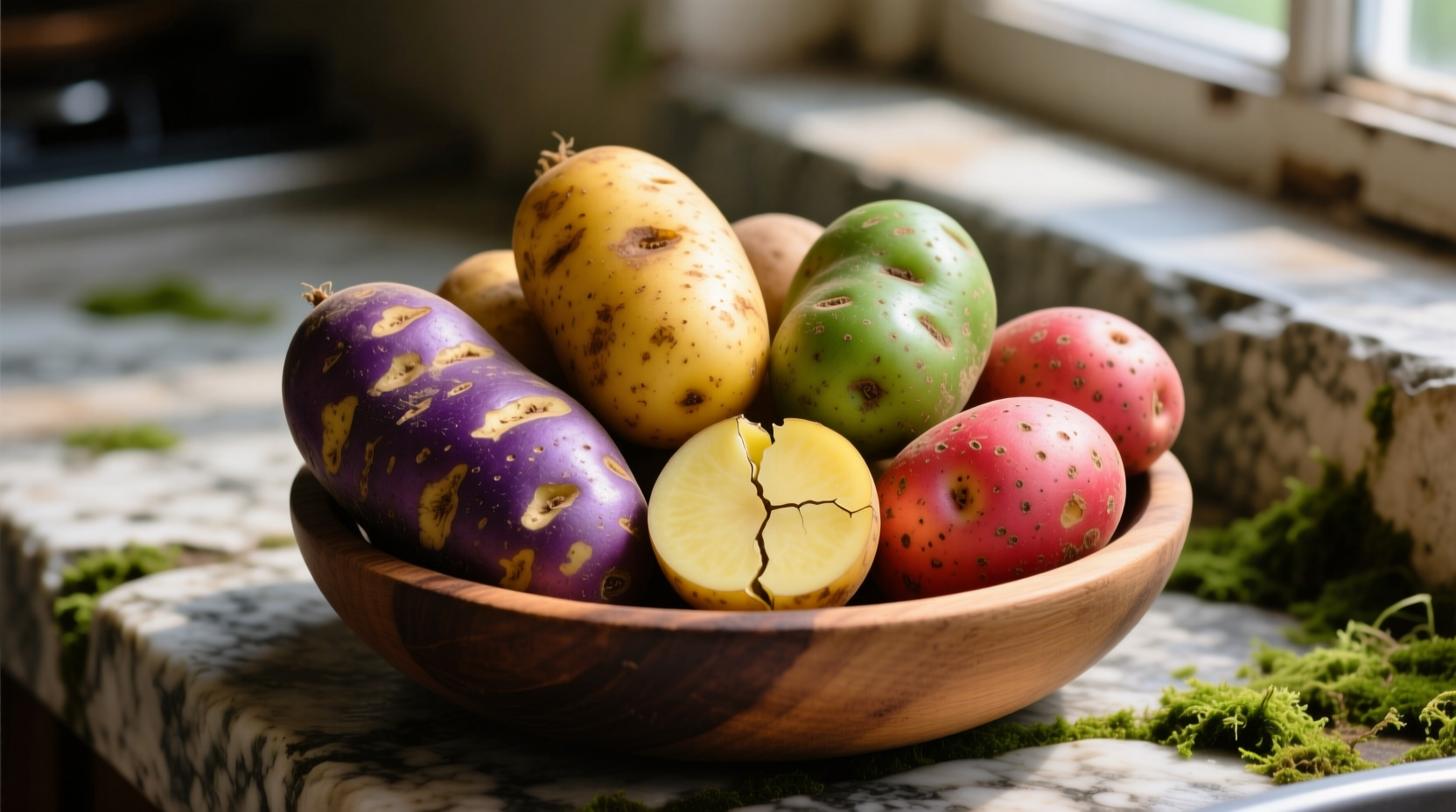
Antioxidant Properties in Colored Varieties
Purple and red potatoes contain anthocyanins with potent antioxidant effects. A study in the Journal of Agricultural and Food Chemistry found these compounds may reduce inflammation markers by up to 34% compared to white potatoes.
Understanding Context Boundaries: When Potatoes Benefit Health
Potato health impacts vary significantly based on preparation methods and individual health conditions. Understanding these context boundaries helps maximize benefits while minimizing potential concerns:
- Preparation matters: Baking, boiling, or roasting with minimal oil preserves nutritional value, while frying dramatically increases calorie density and creates potentially harmful compounds
- Skin inclusion: Keeping the skin on increases fiber content by 50% and provides additional antioxidants
- Individual responses: People with diabetes should monitor portion sizes due to moderate glycemic index (53-78 depending on variety and preparation)
- Dietary context: Potatoes fit well within balanced diets but shouldn't displace diverse vegetable intake
Potato Research Timeline: Evolving Scientific Understanding
Scientific understanding of potato health effects has evolved significantly over time:
- 1980s: Potatoes primarily viewed as simple carbohydrate source with limited nutritional value
- 1990s: Recognition of potassium content and its cardiovascular benefits
- 2000s: Discovery of resistant starch properties and gut health benefits
- 2010s: Research on antioxidant compounds in colored potato varieties
- 2020s: Nuanced understanding of preparation methods' impact on nutritional profile
Current research focuses on how different cooking techniques affect the glycemic response and nutrient bioavailability, moving beyond simplistic carbohydrate categorization.
Smart Potato Integration: Practical Dietary Strategies
Maximize potato health benefits with these evidence-based strategies:
Optimal Preparation Methods
Steam or boil potatoes with skin intact to preserve water-soluble vitamins. Allow cooked potatoes to cool for 24 hours before eating to increase resistant starch content by up to 70%, improving gut health benefits.
Strategic Pairing for Balanced Nutrition
Combine potatoes with protein sources and non-starchy vegetables to create balanced meals. Adding vinegar during cooking can lower the glycemic index by approximately 20-30% according to research published in the European Journal of Clinical Nutrition.
Portion Guidance for Different Health Goals
For weight management: Limit to 1 medium potato (5-6 oz) per meal. For athletic performance: Include 1.5-2 medium potatoes pre-workout for sustained energy. For digestive health: Incorporate cooled potatoes 2-3 times weekly to boost resistant starch intake.
Debunking Common Potato Myths
Several persistent myths cloud potato health understanding:
- Myth: Potatoes are nutritionally empty calories Fact: Potatoes provide significant potassium, vitamin C, and fiber when prepared properly
- Myth: All potatoes cause blood sugar spikes Fact: Cooling potatoes reduces glycemic impact, and portion control mitigates concerns for most people
- Myth: Sweet potatoes are always healthier than white potatoes Fact: Both offer unique nutritional profiles; white potatoes provide more potassium while sweet potatoes offer more vitamin A
Practical Potato Selection Guide
Choose potato varieties based on your health goals:
- Russet: Best for baking, higher starch content ideal for sustained energy
- Yukon Gold: Balanced starch/water ratio, versatile for multiple cooking methods
- Red Potatoes: Waxy texture preserves shape when boiled, excellent for salads
- Purple Potatoes: Highest antioxidant content, ideal for inflammation reduction
Always select firm potatoes without green spots or sprouts, which indicate solanine development. Store in cool, dark place but not refrigeration, which increases sugar content.




 浙公网安备
33010002000092号
浙公网安备
33010002000092号 浙B2-20120091-4