
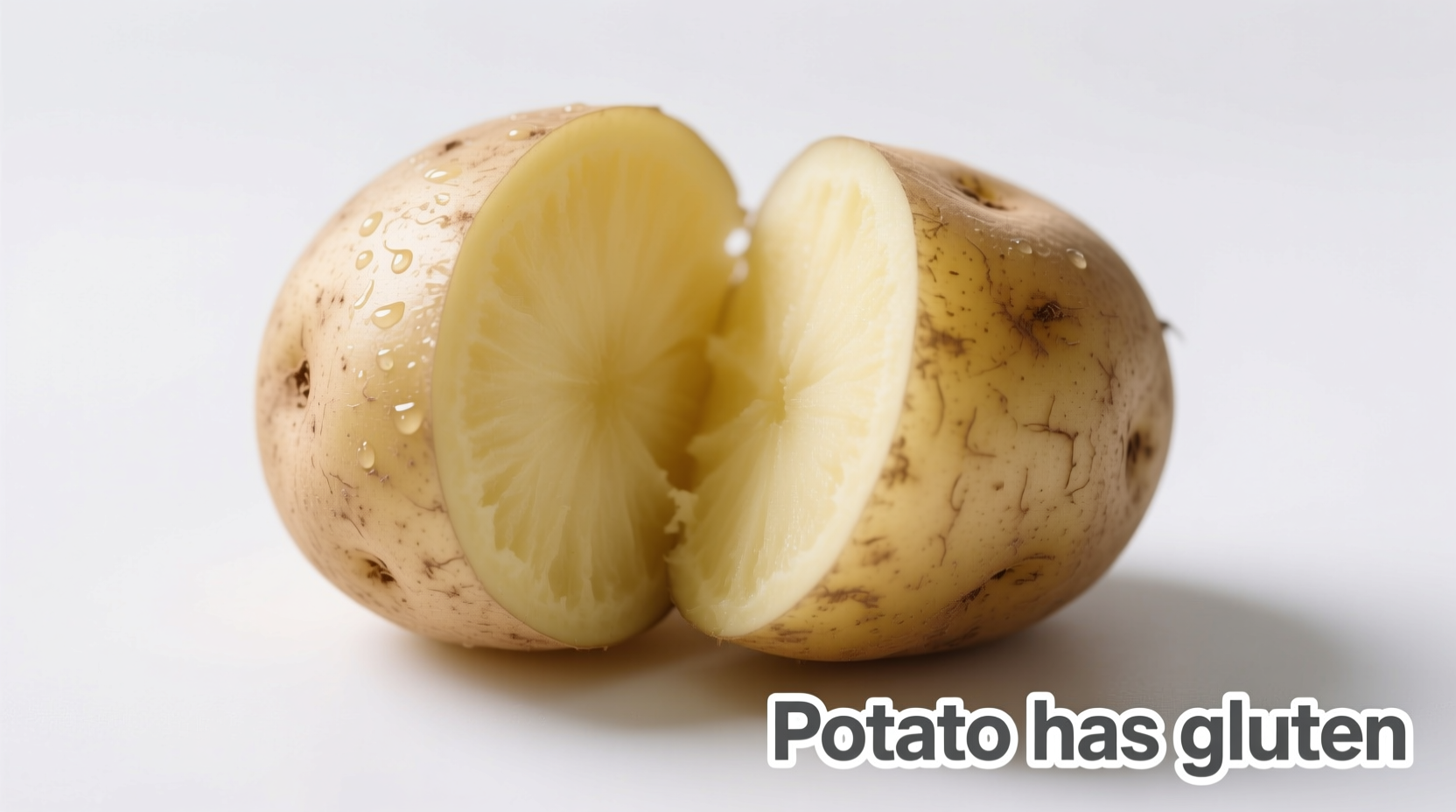
Understanding whether common foods contain gluten is crucial for the nearly 3 million Americans living with celiac disease and millions more with non-celiac gluten sensitivity. If you've wondered do potatoes contain gluten, you're not alone. This comprehensive guide provides evidence-based information to help you make informed dietary choices.
The Science Behind Potatoes and Gluten
Gluten is a protein composite found exclusively in certain grains—specifically wheat, barley, and rye. Potatoes, being tubers from the Solanum tuberosum plant, belong to a completely different botanical family with no genetic relationship to gluten-containing grains.
The Celiac Disease Foundation confirms: "Potatoes in their natural, unprocessed form are 100% gluten-free. This includes all varieties—russet, sweet, Yukon gold, fingerling, and purple potatoes." This scientific fact remains consistent across agricultural research from institutions like the USDA Agricultural Research Service.
When Potatoes Might Not Be Gluten-Free
While potatoes themselves never contain gluten, certain preparation methods and processed potato products can introduce gluten. Understanding these context boundaries is essential for maintaining a truly gluten-free diet:
- Pre-packaged potato products like flavored mashed potato mixes often contain wheat-based thickeners
- Frozen potato products such as tater tots or hash browns may include gluten-containing batters
- Eating establishment preparation where potatoes are fried in shared oil with gluten-containing foods
- Processed potato derivatives like some potato starches that may be contaminated during manufacturing
| Food Item | Gluten Status | Verification Source |
|---|---|---|
| Raw russet potato | Naturally gluten-free | USDA FoodData Central |
| Sweet potato fries (homemade) | Gluten-free | Academy of Nutrition and Dietetics |
| Instant mashed potatoes | Often contains gluten | FDA Labeling Database |
| Restaurant french fries | Potentially contaminated | Celiac Disease Foundation |
Practical Guidance for Safe Potato Consumption
For those managing gluten-related disorders, these evidence-based strategies ensure you can enjoy potatoes safely:
Reading Labels Effectively
The FDA requires clear labeling of wheat ingredients, but doesn't mandate disclosure of barley or rye derivatives. Look for these red flags on potato product packaging:
- "Malt" or "malt flavoring" (indicates barley)
- "Hydrolyzed vegetable protein" from wheat sources
- "Seasoned" without specific ingredient listing
- "May contain wheat" or "Processed in facility with wheat" statements
Preventing Cross-Contamination at Home
Even when using naturally gluten-free potatoes, cross-contamination can occur. Implement these kitchen practices:
- Use separate cutting boards for gluten-free and gluten-containing foods
- Clean surfaces thoroughly before preparing gluten-free meals
- Store potatoes away from flour and other gluten-containing ingredients
- Use dedicated oil for frying gluten-free potato products
Why This Matters for Gluten-Free Diets
According to research published in the Journal of Human Nutrition and Dietetics, potatoes provide essential nutrients often lacking in gluten-free diets, including potassium, vitamin C, and fiber. Their versatility makes them invaluable for creating satisfying gluten-free meals that don't feel restrictive.
The Academy of Nutrition and Dietetics notes that properly prepared potatoes can help address the nutritional deficiencies common in gluten-free diets, particularly among children with celiac disease. This makes understanding are potatoes gluten free for celiac disease not just a matter of safety but of optimal nutrition.
Common Misconceptions Clarified
Several myths persist about potatoes and gluten. Let's examine the facts:
- Myth: Sweet potatoes contain gluten while regular potatoes don't Fact: Both sweet and white potatoes are naturally gluten-free
- Myth: Potato starch contains gluten Fact: Pure potato starch is gluten-free, but some commercial products may be contaminated
- Myth: People with gluten sensitivity should avoid all nightshades including potatoes Fact: Gluten sensitivity and nightshade sensitivity are separate conditions
Enjoying Potatoes Safely on a Gluten-Free Diet
With proper knowledge, you can confidently incorporate potatoes into your gluten-free lifestyle. Focus on whole, unprocessed potatoes and carefully vet processed products. When dining out, ask specific questions about preparation methods rather than just whether an item contains gluten.
Remember that why potatoes don't have gluten comes down to basic botany—potatoes simply don't produce the proteins that form gluten. This scientific reality makes them a reliable foundation for countless gluten-free recipes, from simple roasted potatoes to elaborate gluten-free potato crust quiches.




 浙公网安备
33010002000092号
浙公网安备
33010002000092号 浙B2-20120091-4