
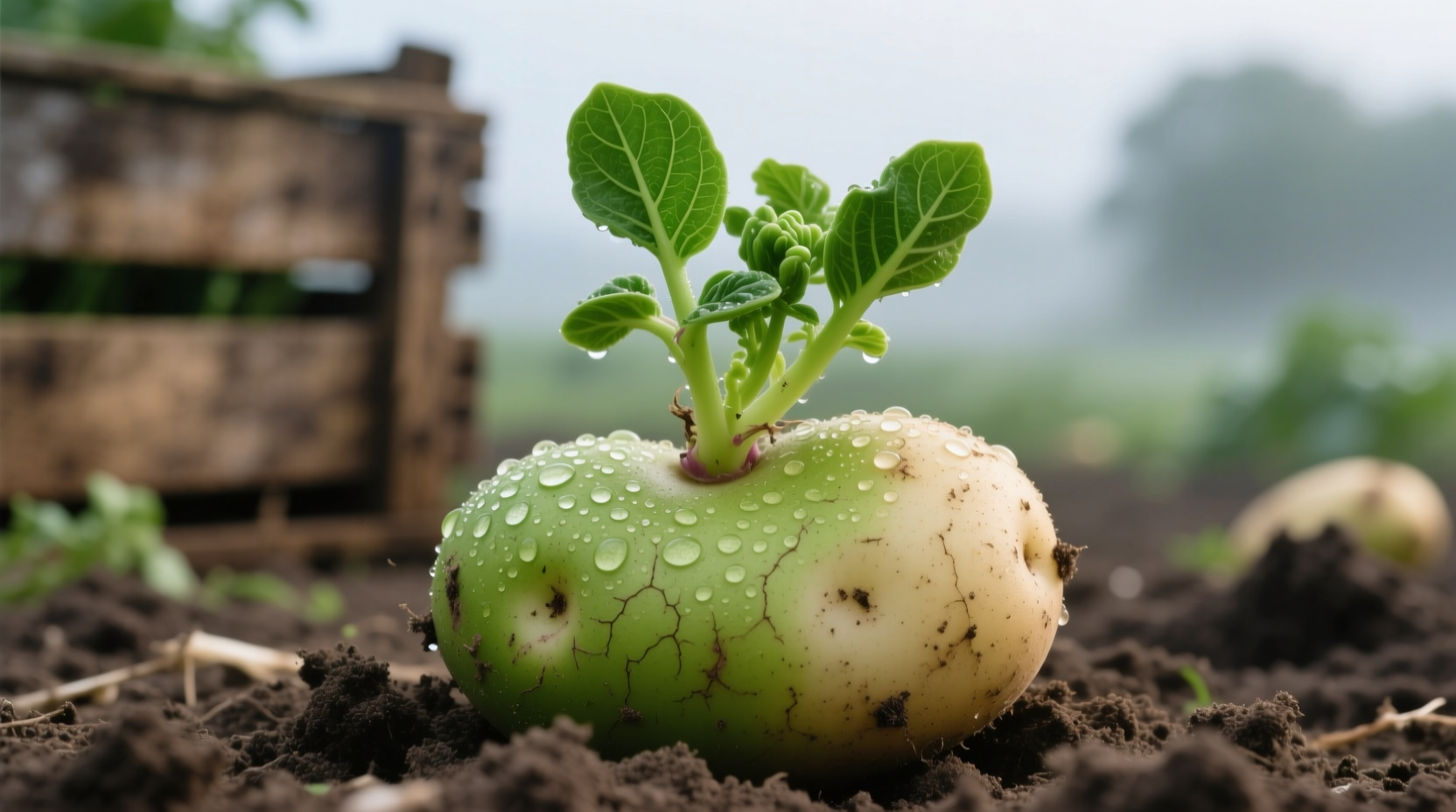
Discover exactly when green potatoes become unsafe, how much you can safely salvage, and science-backed storage methods that prevent greening before it starts. This guide provides clear, actionable steps based on agricultural research to keep your potato supply both fresh and safe.
The Science Behind Green Potatoes
When potatoes encounter light, they undergo a natural defense mechanism. The green color you see is chlorophyll—the same pigment found in leafy vegetables—which isn't harmful itself. However, this process triggers the production of solanine, a glycoalkaloid toxin that protects the potato from pests and sunlight damage.
According to the USDA Agricultural Marketing Service, solanine concentrations typically remain below 10mg per 100g in properly stored potatoes. But when significant greening occurs, levels can exceed 20mg/100g—the threshold where potential health effects may begin.

How Potatoes Turn Green: A Visual Timeline
Understanding the progression helps determine appropriate action:
| Timeframe | Visible Changes | Solanine Level | Recommended Action |
|---|---|---|---|
| 0-24 hours | No visible change | Normal (5-10mg/100g) | None needed |
| 2-3 days | Faint green tinge | Moderate (10-15mg/100g) | Peel thoroughly before use |
| 4-7 days | Pronounced green areas | Elevated (15-25mg/100g) | Remove all green portions plus 1/4 inch beneath |
| 1+ week | Extensive greening, possible sprouting | High (25mg+/100g) | Discard entire potato |
When Green Potatoes Become Dangerous
The FDA Food Safety Information confirms that solanine isn't destroyed by cooking—it remains stable even at high temperatures. This means boiling or frying green potatoes won't eliminate the toxin.
Symptoms of solanine poisoning typically appear 8-12 hours after consumption and may include:
- Nausea and vomiting
- Headache and dizziness
- Abdominal pain and diarrhea
- In severe cases: neurological symptoms
While serious poisoning is rare with typical home consumption, the Cornell University Cooperative Extension advises particular caution with children, who may experience effects at lower doses due to their smaller body mass.
Practical Handling Guide: What to Do With Green Potatoes
Follow these evidence-based steps when you discover green potatoes:
- Assess the extent - Small green spots (less than 15% of surface) can be safely removed
- Peel deeply - Remove all green areas plus at least 1/4 inch of tissue beneath, where solanine concentrates
- Check for bitterness - Taste a small raw piece; pronounced bitterness indicates high solanine levels
- Discard when necessary - If greening covers more than 25% of the surface or the potato has sprouted extensively
Preventing Potato Greening: Science-Backed Storage Methods
Proper storage prevents greening before it starts. The University of Minnesota Extension recommends these evidence-based practices:
- Darkness is essential - Store potatoes in complete darkness; even brief light exposure triggers greening
- Optimal temperature - Maintain 45-50°F (7-10°C); warmer temperatures encourage sprouting, colder ones convert starch to sugar
- Avoid refrigeration - Cold temperatures increase sugar content, causing undesirable browning when cooked
- Don't wash before storing - Excess moisture promotes decay; brush off dirt instead
- Separate from onions - Onions release gases that accelerate potato sprouting
Common Misconceptions About Green Potatoes
Several myths persist about green potatoes that deserve clarification:
- "The green part is just chlorophyll and harmless" - While chlorophyll itself is safe, it's a visual indicator of concurrent solanine production
- "Cooking destroys the toxin" - Solanine remains stable through normal cooking temperatures
- "Only the green spots need removal" - Solanine penetrates beneath visible green areas, requiring deeper peeling
- "Organic potatoes don't turn green" - All potato varieties produce solanine when exposed to light
When to Consult a Professional
If you've consumed significantly green potatoes and experience persistent symptoms, contact a healthcare provider or poison control center. The American College of Emergency Physicians recommends seeking medical attention if symptoms include severe vomiting, persistent diarrhea, or neurological symptoms.




 浙公网安备
33010002000092号
浙公网安备
33010002000092号 浙B2-20120091-4