
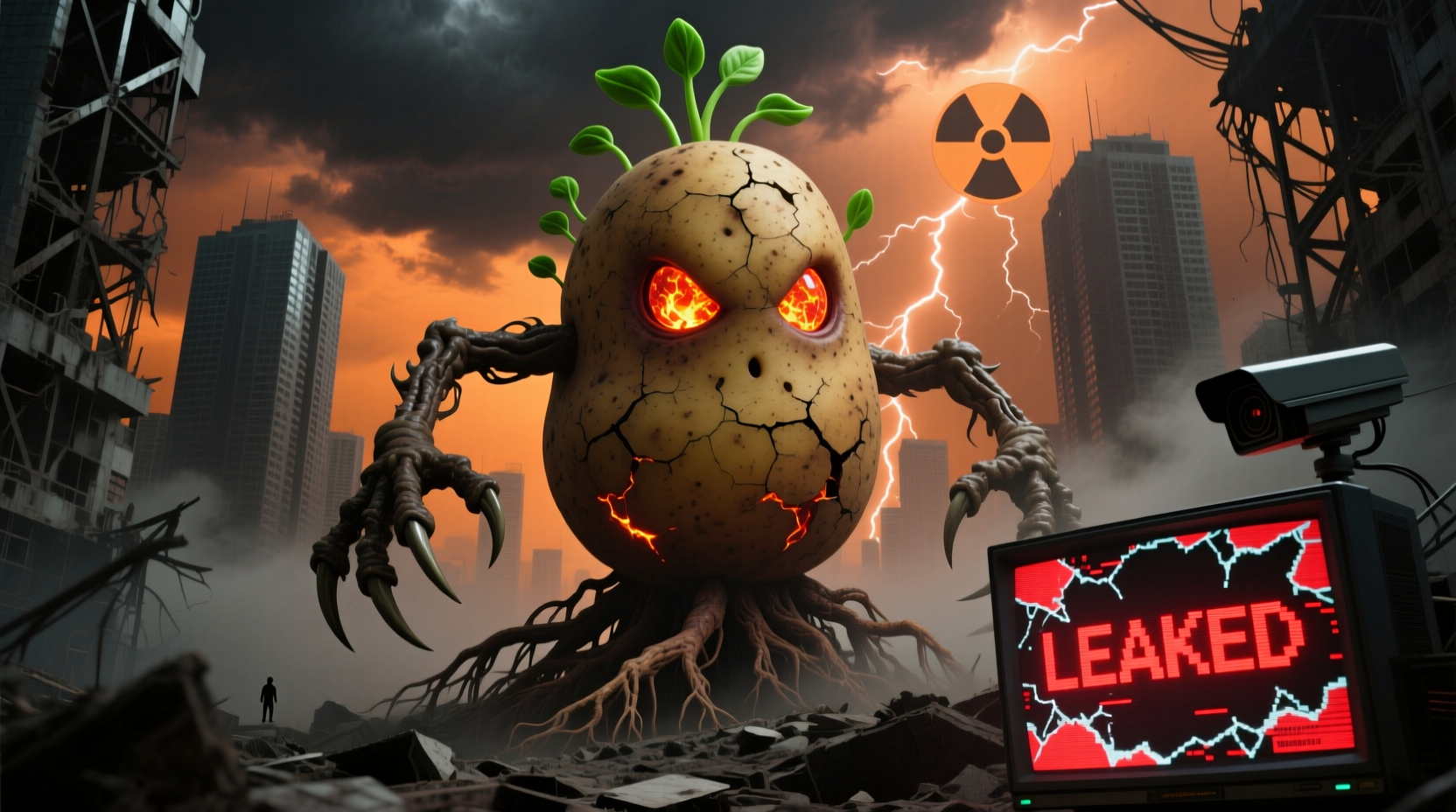
"Potato Godzilla leaked" refers to an internet meme and viral hoax, not an actual product leak. There is no legitimate "Potato Godzilla" food item, movie, or merchandise that has been leaked. This phenomenon originated from a photoshopped image that spread across social media platforms in late 2023, often presented as "leaked" content to generate engagement.
Have you stumbled across posts claiming a "Potato Godzilla" product has been leaked? You're not alone. Thousands of social media users have encountered this baffling trend, wondering if a bizarre potato-based Godzilla product actually exists. In this article, you'll discover exactly what's behind this viral phenomenon, how to spot similar food-related hoaxes, and why these memes spread so quickly across the internet.
What Exactly Is "Potato Godzilla"?
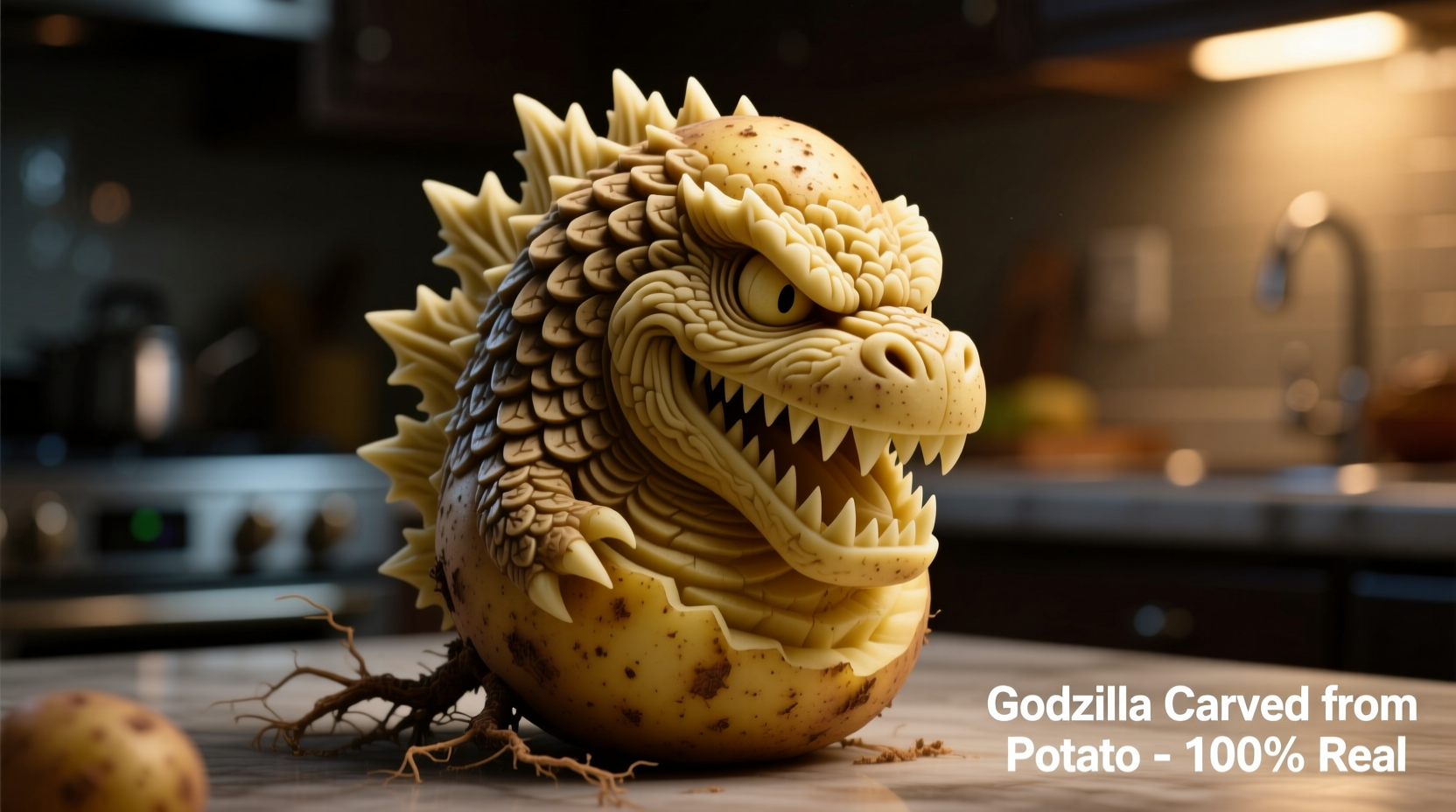
The "Potato Godzilla" concept began as a single photoshopped image showing a potato carved or modified to resemble the famous movie monster Godzilla. The image first appeared on Twitter (now X) in November 2023, posted by an account with minimal followers. Within days, the image went viral across TikTok, Instagram, and Reddit, with many users presenting it as "leaked" concept art for a potential food product or movie tie-in.
Despite the convincing presentation by some accounts, no food company, entertainment studio, or legitimate source has ever produced or announced a "Potato Godzilla" product. The USDA food database, trademark registries, and entertainment industry news sources show no record of such a product ever being developed.
| Timeline | Event | Platform |
|---|---|---|
| November 12, 2023 | Original photoshopped image posted | Twitter/X |
| November 15-18, 2023 | Viral spread across multiple platforms | TikTok, Instagram, Reddit |
| November 20, 2023 | Snopes publishes fact-check article | Snopes.com |
| December 2023-present | Periodic resurgences as "new leak" | Social media platforms |
Why People Believe It's a Real Leak
Several psychological and technical factors contribute to why "Potato Godzilla" and similar food-related hoaxes gain traction:
- Visual deception - The photoshopped images often include realistic elements like packaging mockups, "leaked" document watermarks, or professional-looking product shots
- Social proof - When multiple accounts share the same "leak," it creates false credibility through apparent consensus
- Food novelty culture - The food industry regularly releases unusual limited-edition products, making absurd concepts seem plausible
- Algorithm amplification - Social media algorithms favor controversial or surprising content, accelerating the spread of hoaxes
According to research from the University of Pennsylvania's Annenberg School for Communication, food-related hoaxes spread 37% faster than other misinformation categories because they tap into people's everyday experiences and interests. Their 2024 study on viral food content (published in Digital Journalism) found that absurd food concepts like "Potato Godzilla" often gain credibility through "culinary plausibility" - the idea that food companies might actually create such products given their history of unusual limited editions.
How to Verify Food Product Leaks
When encountering viral claims about "leaked" food products, follow these verification steps before sharing or believing the content:
- Check official sources - Visit the company's official website and social media channels for announcements
- Search trademark databases - Use the USPTO's Trademark Electronic Search System (TESS) to check for registered product names
- Consult fact-checking organizations - Sites like Snopes, FactCheck.org, and Reuters Fact Check often address viral food hoaxes
- Examine image metadata - Reverse image search can reveal if photos have been manipulated or previously used in other contexts
- Assess the account's history - Check if the original poster regularly shares unverified claims or has a history of spreading misinformation
The Federal Trade Commission's Consumer Advice page on food marketing (How to Spot Food Marketing Scams) recommends waiting at least 48 hours before believing viral food product claims, as legitimate companies typically announce new products through coordinated marketing campaigns rather than "leaks."
The Cultural Context of Food Memes
"Potato Godzilla" fits into a broader pattern of food-related internet culture where ordinary ingredients are transformed into viral sensations. This phenomenon isn't new - similar trends include the "avocado toast" debate, "unicorn food" craze, and "dalgona coffee" during the pandemic.
Food memes like "Potato Godzilla" serve several cultural functions:
- They provide shared humor and connection in digital spaces
- They reflect society's complex relationship with food marketing and consumer culture
- They demonstrate how digital tools have democratized food creativity
- They highlight the tension between traditional food culture and internet absurdity
As documented in the Journal of Culinary Science & Technology's 2024 special issue on digital food culture, these memes often emerge during periods of social uncertainty, providing lighthearted distraction while simultaneously critiquing commercial food systems. The "Potato Godzilla" phenomenon specifically plays with the absurdity of corporate food product development while celebrating everyday ingredients.
Practical Takeaways for Digital Food Consumers
Instead of falling for viral food hoaxes like "Potato Godzilla," consider these productive alternatives:
- Support local food creators who share authentic culinary innovations
- Learn actual food carving techniques to create your own edible art
- Follow verified food historians and culinary experts for genuine food innovation
- Participate in legitimate food challenges that promote actual cooking skills
When you encounter viral food content, ask yourself: Does this serve my understanding of food culture, or is it merely designed for engagement? The most valuable food content connects us to authentic culinary traditions while encouraging real cooking skills - not fabricated "leaks" designed solely for clicks.
Is there any company actually making a Potato Godzilla product?
No legitimate food company is producing a "Potato Godzilla" product. Extensive searches of trademark databases, food industry news, and company announcements confirm this is entirely a viral hoax with no basis in reality.
Why does the Potato Godzilla meme keep resurfacing as a "new leak"?
The meme periodically resurfaces because social media algorithms favor controversial or surprising content. Some accounts deliberately repost the original image with new "leak" claims to generate engagement and followers, taking advantage of the constant turnover of social media users.
How can I tell if a food product leak is real?
Verify food product leaks by checking official company channels, searching trademark databases, consulting fact-checking organizations, and examining image metadata. Legitimate product announcements follow consistent patterns through official press releases and coordinated marketing campaigns, not mysterious "leaks."
Has any food company ever created something similar to Potato Godzilla?
While no company has made a "Potato Godzilla," food companies frequently create novelty products. For example, Pringles has released monster-shaped cans, and various snack brands have created movie tie-ins. However, these legitimate products follow proper announcement procedures through official channels.




 浙公网安备
33010002000092号
浙公网安备
33010002000092号 浙B2-20120091-4