

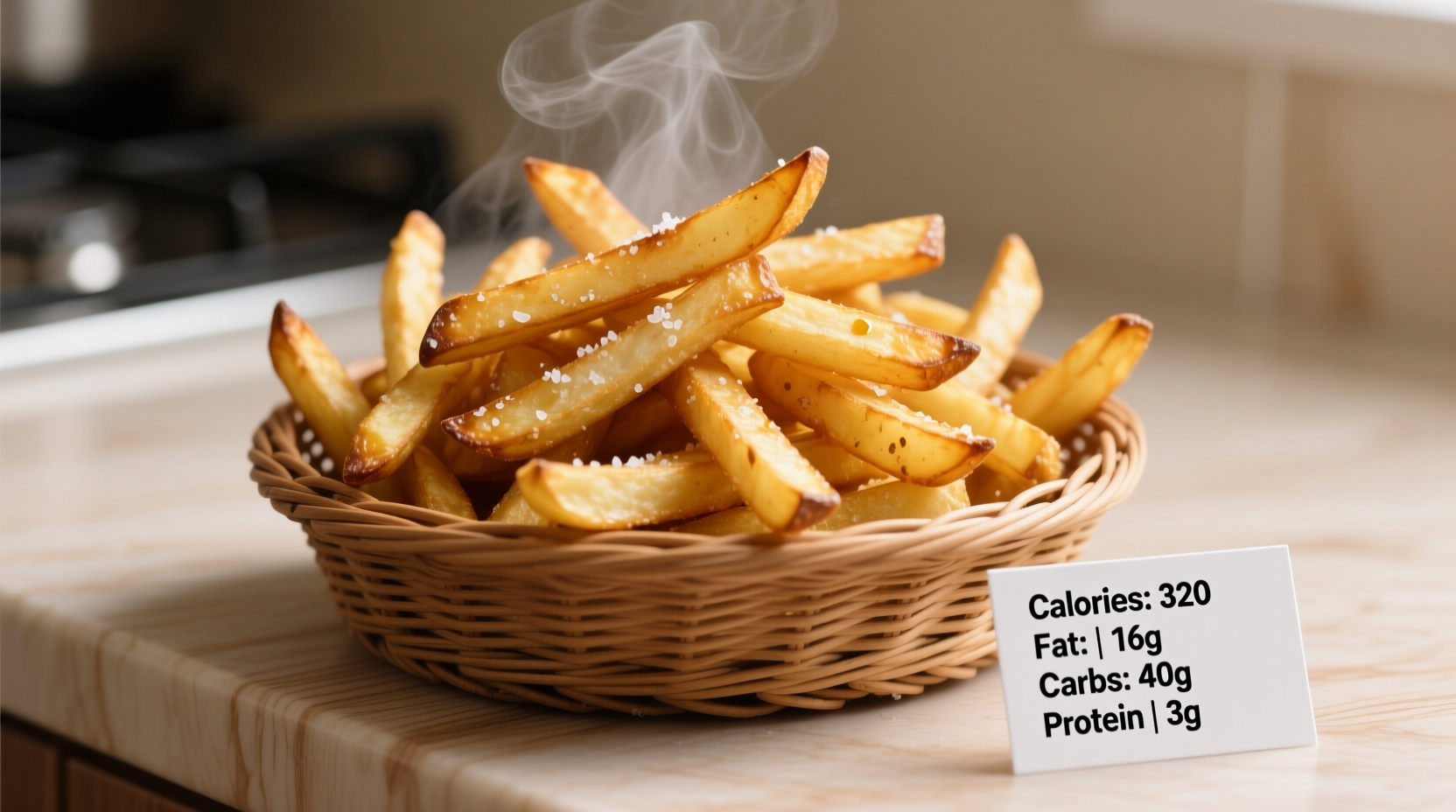
A medium serving of potato fries (approximately 130g) contains 35-40 grams of carbohydrates, with 3-4 grams coming from dietary fiber. The exact carb count varies based on preparation method, potato variety, and serving size, but standard french fries are considered a high-carbohydrate food that should be consumed mindfully within balanced dietary plans.
Understanding Potato Fries Carbohydrate Content: What You Need to Know
When you're tracking your daily carbohydrate intake, knowing the precise carb content in potato fries is essential for making informed dietary choices. Whether you're following a specific eating plan or simply monitoring your nutrition, understanding what's in your favorite crispy snack can help you maintain your health goals without sacrificing enjoyment.
Basic Nutritional Profile of Potato Fries
Potatoes themselves are primarily composed of starch, a complex carbohydrate that breaks down into simple sugars during digestion. When cut and fried to make potato fries, the carbohydrate content remains largely unchanged from the raw potato, though the cooking process affects how those carbs are metabolized.
According to the USDA FoodData Central database, a standard 100g serving of fast food-style french fries contains approximately 27g of carbohydrates, with 2.7g of dietary fiber. This means that the net carb count (total carbs minus fiber) is about 24.3g per 100g serving. The frying process adds minimal additional carbohydrates but significantly increases the fat content.
| Serving Size | Total Carbohydrates | Dietary Fiber | Net Carbs |
|---|---|---|---|
| Small (80g) | 22g | 2g | 20g |
| Medium (130g) | 35g | 3.5g | 31.5g |
| Large (180g) | 49g | 5g | 44g |
| Homemade (100g) | 25g | 2.5g | 22.5g |
How Preparation Methods Impact Carb Content
The way potato fries are prepared significantly affects their nutritional profile, including how your body processes the carbohydrates. Understanding these differences can help you make smarter choices whether dining out or cooking at home.
When potatoes are cut into fries and soaked in cold water before frying (a technique used by many professional kitchens), some surface starch is removed. This process slightly reduces the total carbohydrate content and creates crispier fries. According to research published in the Journal of Food Science, soaking potatoes for 30 minutes can reduce surface starch by up to 15%, potentially lowering the net carb content by a small margin.
The cooking temperature also plays a role. When potatoes are fried at lower temperatures (around 300°F/150°C), they absorb more oil but experience less sugar formation. Higher temperature frying (350-375°F/175-190°C) creates the characteristic golden-brown color through the Maillard reaction but can increase the formation of simple sugars on the surface.
Contextual Factors Affecting Carb Absorption
Not all carbohydrates behave the same way in your body, and potato fries demonstrate this principle clearly. The glycemic response to potato fries differs from other carbohydrate sources due to several factors:
- Cooling effect: When potato fries cool down after cooking, some of the starch converts to resistant starch, which behaves more like fiber in the digestive system. A study from the American Journal of Clinical Nutrition found that cooled potatoes can have up to 25% less impact on blood sugar levels compared to when served hot.
- Fat content: The oil used in frying slows gastric emptying, which can moderate the blood sugar response compared to eating plain boiled potatoes.
- Varietal differences: Russet potatoes (commonly used for fries) have higher starch content than waxy varieties like Yukon Gold, resulting in slightly higher carb counts.
Practical Guidance for Different Dietary Approaches
Understanding how potato fries fit into various eating patterns can help you enjoy them while staying aligned with your health goals:
For moderate carbohydrate diets: A medium serving of potato fries fits comfortably within a balanced meal plan. Pair them with lean protein and non-starchy vegetables to create a nutritionally balanced plate that slows carbohydrate absorption.
For lower carbohydrate approaches: If you're following a reduced-carb eating pattern (under 100g daily), consider splitting a small serving between two people or treating them as an occasional indulgence rather than a regular side dish. Some restaurants offer sweet potato fries as an alternative, though they contain similar carbohydrate levels.
For athletic performance: Active individuals can strategically time potato fries around workouts. The carbohydrates provide readily available energy, making them potentially beneficial before or after intense exercise sessions when glycogen replenishment is needed.
Smart Strategies for Enjoying Potato Fries Mindfully
You don't need to eliminate potato fries completely to maintain a healthy relationship with carbohydrates. Consider these practical approaches:
- Portion awareness: Restaurant servings often exceed standard portions. Sharing an order or setting aside half before eating can help manage carb intake.
- Homemade advantage: Making fries at home allows you to control the cooking process. Try oven-baking with minimal oil for a lower-fat option that still delivers satisfying crispness.
- Pairing power: Combining potato fries with protein-rich foods and healthy fats creates a more balanced meal that slows digestion and prevents blood sugar spikes.
- Timing matters: Consuming carbohydrate-rich foods like potato fries earlier in the day when you'll be active may be more beneficial than eating them late at night.
Common Misconceptions About Potato Fries and Carbs
Several myths persist about potato fries and their carbohydrate content. Let's clarify some of the most common misunderstandings:
Many believe that sweet potato fries are significantly lower in carbohydrates than regular potato fries, but the difference is minimal. According to USDA data, 100g of sweet potato fries contains approximately 25g of carbohydrates compared to 27g in regular potato fries. The primary difference lies in the type of carbohydrates and additional nutrients.
Another misconception is that all fried foods automatically become high in carbohydrates. In reality, the frying process primarily adds fat, not carbohydrates. The carb content comes from the potato itself, not the oil used for frying.
Some people think that removing the skin reduces carbohydrate content, but potato skins contain valuable fiber while contributing minimally to total carbs. Leaving skins on actually increases the fiber content, which can improve the nutritional profile.




 浙公网安备
33010002000092号
浙公网安备
33010002000092号 浙B2-20120091-4