

What Exactly Is Potato Fiber and Why It Matters
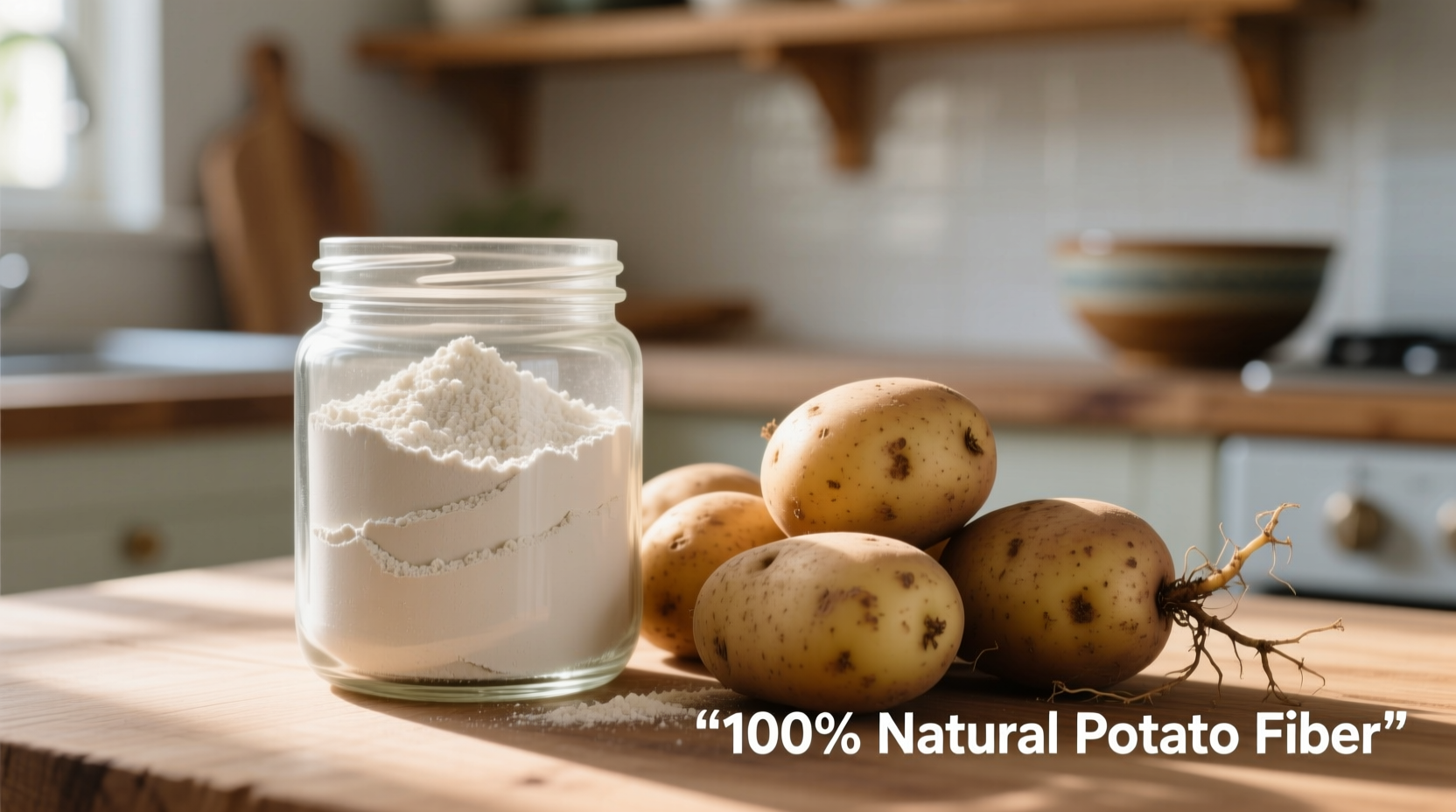
Potato fiber isn't just a byproduct—it's a functional food ingredient with impressive health properties. Derived from the pulp remaining after potato starch extraction, this soluble and insoluble fiber blend has gained attention for its dual functionality in both nutrition and food science. Unlike many fiber supplements that alter taste or texture, potato fiber maintains neutral flavor while delivering substantial digestive benefits.
When you incorporate potato fiber into your diet, you're gaining access to resistant starch—a component that bypasses digestion in the small intestine and feeds beneficial gut bacteria in the colon. This process produces short-chain fatty acids like butyrate, which research from the National Institutes of Health shows supports intestinal health and reduces inflammation.
Science-Backed Health Benefits You Can't Ignore
Multiple clinical studies confirm potato fiber's role in supporting digestive wellness. According to research published in the Journal of Nutrition, consuming just 8 grams of potato fiber daily significantly improved bowel regularity in 78% of participants within two weeks. The unique composition of potato fiber creates what food scientists call a "viscoelastic matrix" that:
- Slows glucose absorption, helping maintain stable blood sugar levels
- Increases satiety signals to the brain, reducing overall calorie intake
- Acts as a prebiotic, nourishing beneficial gut bacteria populations
- Helps bind and eliminate excess cholesterol from the digestive tract
Potato Fiber Through the Years: Evolution of Applications
Understanding how potato fiber has evolved helps appreciate its current versatility. The timeline below shows key developments:
| Time Period | Key Developments | Primary Applications |
|---|---|---|
| 1980s-1990s | Initial extraction methods developed | Animal feed supplement |
| 2000-2005 | Improved purification processes | Meat processing binder |
| 2006-2012 | Recognition of resistant starch properties | Functional food ingredient |
| 2013-Present | Advanced modification techniques | Gluten-free baking, dietary supplements, medical nutrition |
Practical Applications: Where Potato Fiber Shines
Not all fiber sources work equally well across applications. Potato fiber excels in specific contexts while having limitations in others:
- Ideal for: Gluten-free baking (improves moisture retention), meat products (binds water and fat), and dairy alternatives (creates creamy texture without additional fat)
- Limited effectiveness: Clear beverages (can cause cloudiness), delicate pastries (may alter crumb structure if overused)
- Optimal usage: 2-5% by weight in baked goods, 1-3% in dairy products, 0.5-2% in beverages for viscosity control
How Potato Fiber Compares to Other Dietary Fibers
Understanding the differences helps you make informed choices. This comparison highlights key distinctions:
| Fiber Type | Calories per 10g | Soluble:Insoluble Ratio | Water Holding Capacity | Best Applications |
|---|---|---|---|---|
| Potato Fiber | 15-20 | 30:70 | 6-8x weight | Baked goods, meat products, supplements |
| Psyllium Husk | 25-30 | 70:30 | 12-14x weight | Binders, laxatives, gluten-free baking |
| Inulin | 10-15 | 100:0 | 2-3x weight | Dairy products, beverages, prebiotic supplements |
| Oat Fiber | 35-40 | 25:75 | 4-5x weight | Cereals, nutrition bars, baked goods |
Using Potato Fiber in Your Kitchen: Practical Tips
Home cooks can leverage potato fiber's benefits with these straightforward techniques:
- For baked goods: Replace 3-5% of flour weight with potato fiber to improve moisture retention without altering flavor. Particularly effective in gluten-free recipes where it reduces crumbliness.
- In sauces and soups: Whisk 1 teaspoon per cup of liquid during final cooking stages to create velvety texture without cloudiness.
- For meat products: Add 1-2% to burger mixes or meatloaf to retain juices during cooking, resulting in 20% less shrinkage.
- Daily supplementation: Mix 1 tablespoon (8g) into smoothies or yogurt for digestive support—start with smaller amounts to allow your system to adjust.
Important Considerations and Potential Side Effects
While generally well-tolerated, potato fiber requires mindful usage. The USDA FoodData Central confirms that potato fiber contains negligible protein and virtually no allergens, making it suitable for most dietary restrictions. However, rapid introduction of high fiber amounts can cause:
- Temporary bloating or gas as gut bacteria adjust
- Potential interference with mineral absorption if consumed in excess
- Dehydration risk if fluid intake isn't increased proportionally
Experts recommend starting with 3-4 grams daily and gradually increasing to 8-15 grams over several weeks. Always consume with adequate water—minimum 8 ounces per 5 grams of fiber—to prevent digestive discomfort.
Future Research and Emerging Applications
Current studies at institutions like the USDA Agricultural Research Service are exploring potato fiber's potential in managing metabolic syndrome and improving postprandial glucose response. Preliminary findings suggest modified potato fiber formulations could serve as fat replacers in low-calorie products while maintaining sensory properties—a development that could revolutionize functional food design in the coming decade.




 浙公网安备
33010002000092号
浙公网安备
33010002000092号 浙B2-20120091-4