
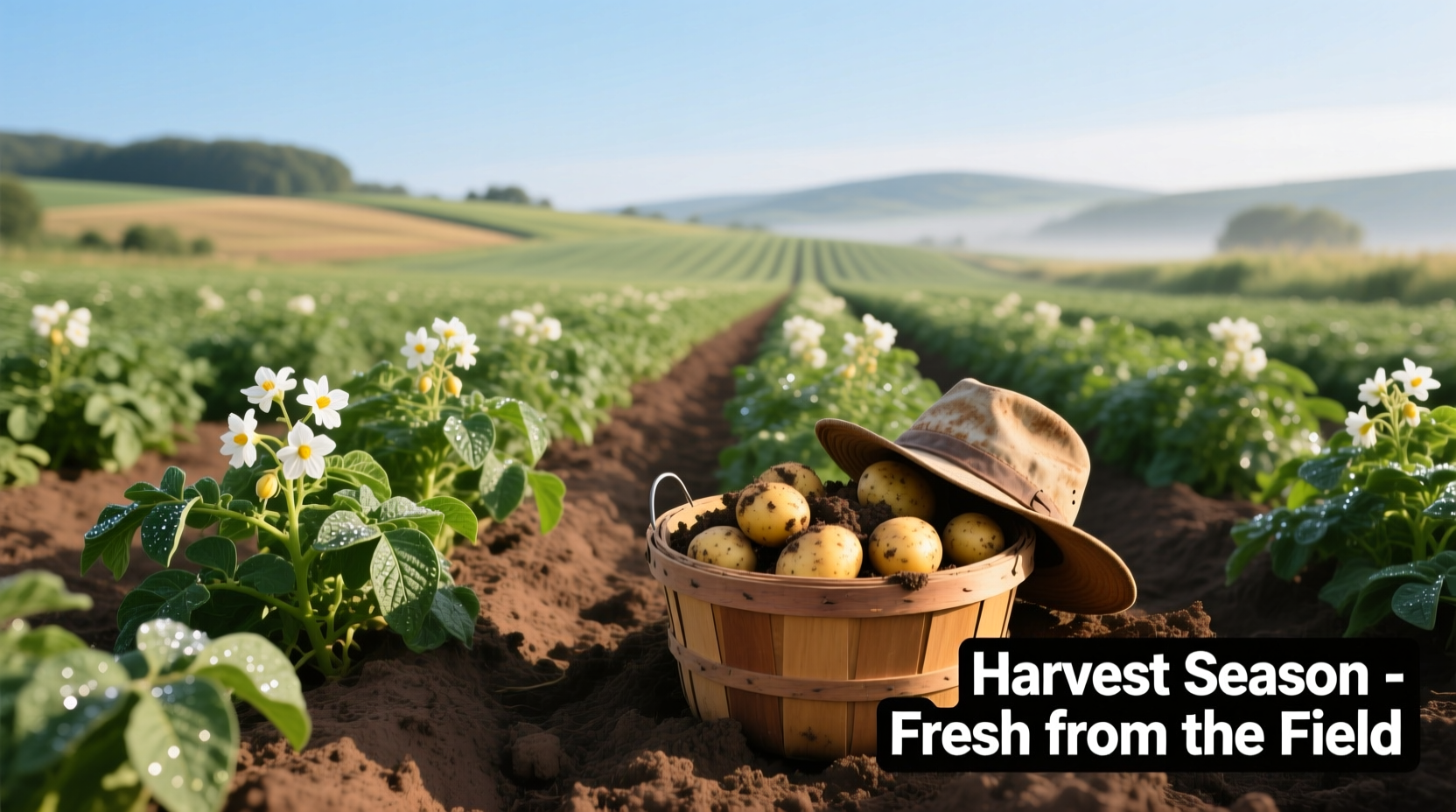
Ever wondered what transforms a simple patch of land into a thriving potato farm? Whether you're an aspiring grower or simply curious about where your favorite spuds originate, understanding potato farming reveals the intricate balance of science, timing, and tradition behind this global staple crop. This guide delivers actionable insights from soil preparation to harvest techniques that separate successful potato operations from failed crops.
Understanding Potato Farming Fundamentals
Modern potato farming combines centuries of agricultural wisdom with contemporary science. Potatoes (Solanum tuberosum) rank as the world's fourth-largest food crop after maize, wheat, and rice, with global production exceeding 370 million metric tons annually according to the UN Food and Agriculture Organization. Unlike common perception, potato "seeds" are actually disease-free seed potatoes—certified tubers specifically grown for planting rather than consumption.
Evolution of Potato Cultivation Practices
The journey from Andean highlands to global staple demonstrates remarkable agricultural adaptation. This timeline highlights critical developments in potato farming techniques:
- 8,000-5,000 BCE: Indigenous peoples in modern-day Peru and Bolivia first domesticate wild potato species
- 1530s: Spanish conquistadors introduce potatoes to Europe
- 1719: First commercial potato planting in North America (Londonderry, New Hampshire)
- 1840s: Development of the first mechanical potato digger in Scotland
- 1948: Introduction of certified seed potato programs in the United States
- 1995: First genetically modified potato varieties approved for commercial use
- Present: Precision agriculture techniques optimize irrigation and fertilizer application
Essential Growing Conditions for Potato Farms
Successful potato cultivation depends on specific environmental factors. While adaptable to various climates, potatoes have clear limitations that determine viable farming regions:
| Factor | Optimal Range | Limitations |
|---|---|---|
| Soil Type | Loamy, well-drained | Heavy clay causes misshapen tubers; sandy soil requires frequent irrigation |
| pH Level | 5.0-6.0 | Above 6.5 increases scab disease risk |
| Temperature | 60-70°F (15-21°C) | Above 80°F (27°C) reduces tuber formation |
| Frost Exposure | Frost-free season | Frost damages foliage; late frost affects tuber quality |
Top Potato Varieties for Commercial Farming
Choosing the right variety significantly impacts yield and marketability. The USDA Agricultural Research Service maintains the world's largest potato germplasm collection with over 800 accessions. Commercial farms typically select varieties based on end-use requirements:
- Russet Burbank: The industry standard for french fries (79% of U.S. processing potatoes), requiring 95-110 days to maturity
- Kennebec: Versatile all-purpose variety with good storage characteristics (90-100 days)
- Yukon Gold: Popular fresh market variety known for buttery flavor (85-95 days)
- Red Pontiac: Salad and boiling potato with smooth red skin (90-100 days)
- Atlantic: Processing variety specifically bred for chip production (90 days)
Step-by-Step Potato Farming Process
Commercial potato production follows a precise sequence that maximizes yield while minimizing disease risk:
- Soil Preparation (Early Spring): Deep plowing followed by harrowing to create fine tilth; soil testing determines necessary amendments
- Seed Selection: Certified disease-free seed potatoes cut into pieces with at least one "eye" per 1.5-2 oz piece
- Planting (Soil Temp > 45°F): 3-4 inches deep in rows 30-36 inches apart; spacing 8-12 inches within rows
- Hilling (When Plants Reach 6-8 Inches): Mounding soil around stems prevents greening and increases yield
- Irrigation Management: Consistent moisture (1-2 inches weekly) critical during tuber initiation and bulking
- Pest Monitoring: Regular scouting for Colorado potato beetles, aphids, and diseases like late blight
- Vine Killing (2-3 Weeks Before Harvest): Controlled termination of foliage improves skin set
- Harvest (After Skin Sets): Mechanical harvesters dig tubers; careful handling prevents bruising
Managing Common Potato Farming Challenges
Even experienced growers face recurring issues that require proactive management:
Potato Scab: This surface blemish caused by Streptomyces scabies bacteria thrives in alkaline soils. Prevention includes maintaining soil pH below 5.2, rotating with non-host crops like alfalfa, and using resistant varieties like Russet Norkotah.
Colorado Potato Beetle: These striped pests can defoliate fields rapidly. Integrated pest management combines crop rotation, beneficial insects like ladybugs, and targeted insecticides only when threshold levels are exceeded.
Verticillium Wilt: This soil-borne fungus causes premature vine death. The University of Minnesota Extension recommends 4-year crop rotations with non-host plants and resistant varieties like Superior.
Sustainable Practices for Modern Potato Farms
Forward-thinking potato operations incorporate sustainability without sacrificing yield:
- Precision Irrigation: Soil moisture sensors and drip irrigation reduce water use by 30-50% compared to traditional methods
- Integrated Pest Management: Combining biological controls, resistant varieties, and targeted chemical applications minimizes pesticide use
- Soil Health Focus: Cover cropping with mustard or rye improves soil structure and suppresses pathogens
- Waste Reduction: Processing operations increasingly use potato byproducts for animal feed or bioenergy production
Starting Your Own Small-Scale Potato Operation
For those considering backyard or small commercial production, these practical tips ensure better results:
- Begin with 5-10 varieties to determine which perform best in your specific conditions
- Use certified seed potatoes—never grocery store potatoes which may carry diseases
- Implement strict crop rotation: avoid planting potatoes in the same location more than once every 3-4 years
- Monitor soil moisture daily during tuber formation (typically 4-8 weeks after planting)
- Harvest only when vines have completely died back for best storage quality




 浙公网安备
33010002000092号
浙公网安备
33010002000092号 浙B2-20120091-4