
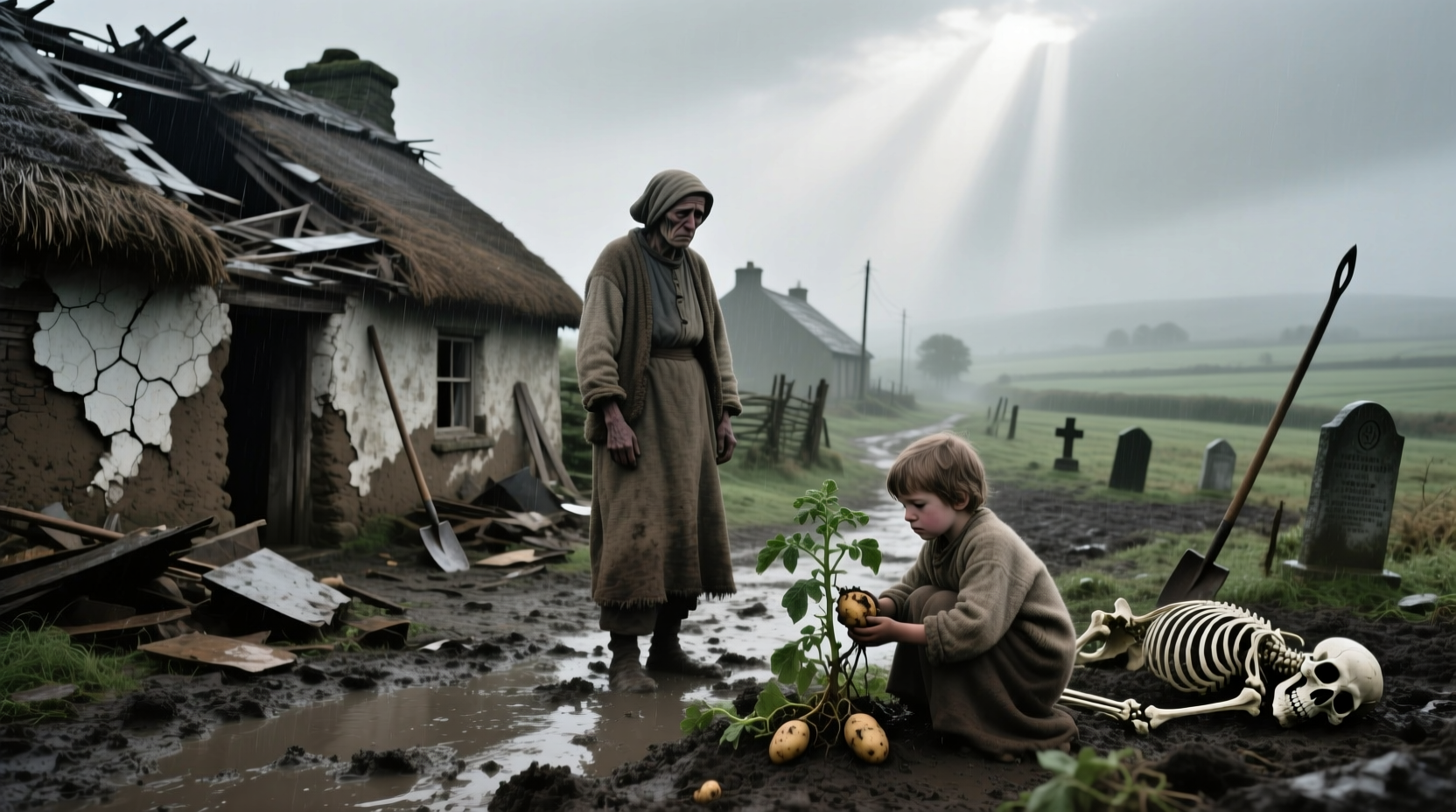
What You'll Discover About the Potato Famine Years
Understanding the precise timeline of the Irish Potato Famine provides crucial context for one of history's most devastating agricultural disasters. In this comprehensive guide, you'll learn exactly when did the potato famine start and end, the progression of events year by year, and why this period remains significant in understanding modern Irish identity. We've compiled verified historical data from academic sources to give you a clear picture of how long did the Irish Potato Famine last and its lasting consequences.
The Critical Timeline: Potato Blight Years in Ireland
While commonly referred to as a single "famine," the crisis actually unfolded over multiple growing seasons as the potato blight repeatedly devastated crops. The Irish famine timeline of events reveals a pattern of failed harvests that created a cascading humanitarian disaster.
| Year | Key Events | Impact |
|---|---|---|
| 1845 | Phytophthora infestans (potato blight) first detected in Ireland | Approximately 1/3 of potato crop destroyed; initial government response inadequate |
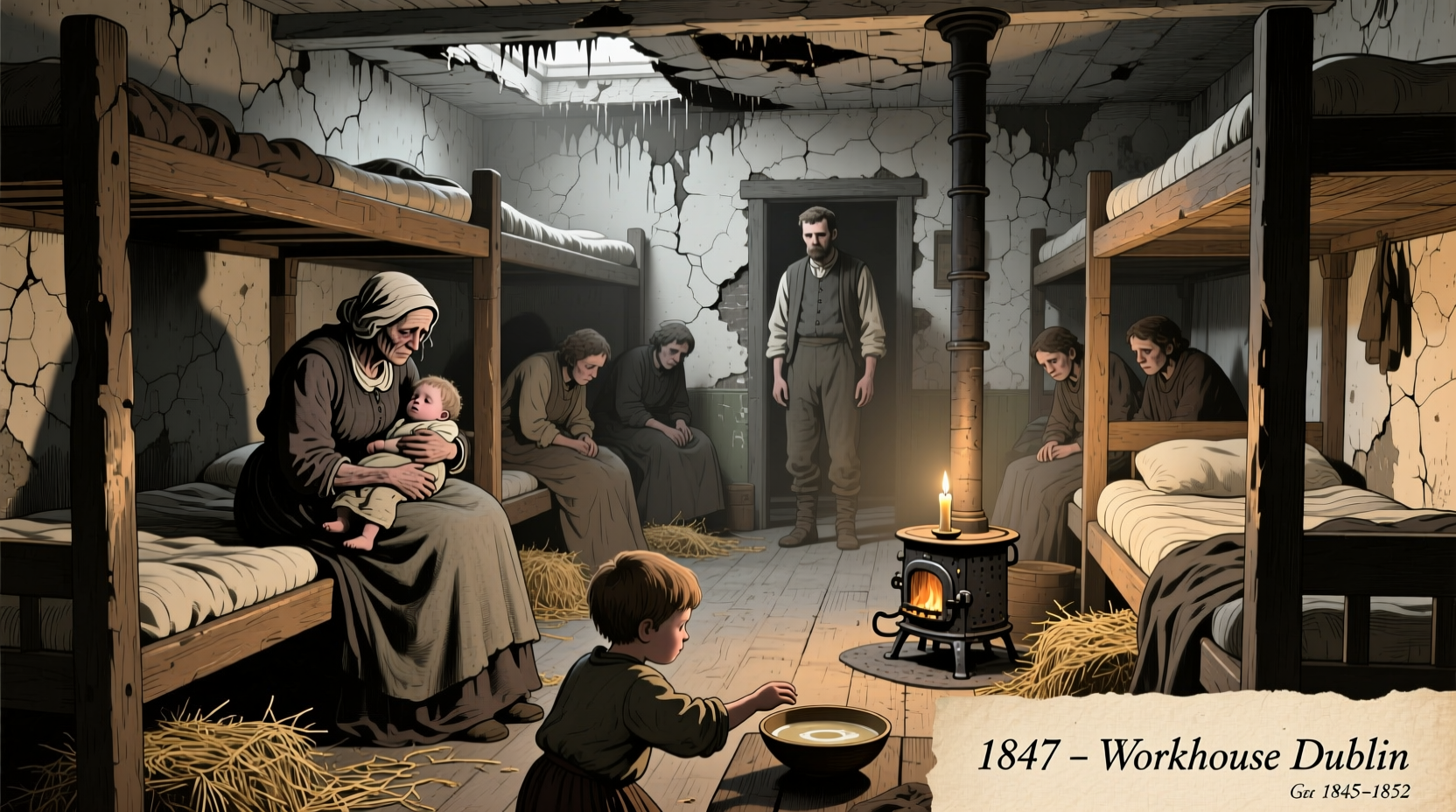
| 1846 | Complete crop failure; "Black '46" becomes deadliest year | Mass starvation begins; workhouses overwhelmed; soup kitchens established |
| 1847 | "Black Forty-Seven" - worst year of famine | Peak mortality; fever epidemics; "coffin ships" begin mass emigration |
| 1848-1849 | Partial crop recoveries followed by renewed failures | Continued high mortality; mass evictions; political unrest grows |
| 1850-1852 | Gradual agricultural recovery | Population decline continues through emigration; long-term demographic effects solidify |
Why the Potato Famine Lasted Seven Years: Contributing Factors
The what years was the Great Potato Famine question requires understanding why this crisis persisted for seven consecutive years rather than a single bad harvest. Several interconnected factors created this prolonged disaster:
- Agricultural dependency: Over 3 million Irish people relied almost exclusively on potatoes for sustenance, with many consuming 8-14 pounds daily
- Recurring blight: The fungus Phytophthora infestans returned each growing season from 1845-1849, with partial recoveries in 1850-1852
- British government policies: Continued export of other food crops from Ireland during the famine worsened food shortages
- Socioeconomic structure: The tenant farming system left Irish peasants vulnerable with little recourse when crops failed
Human Cost: Measuring the Impact of the Famine Years
Understanding the potato famine years timeline becomes more meaningful when examining the human toll. Historical records from the Central Statistics Office of Ireland and Trinity College Dublin reveal:
- Population decline: Ireland's population dropped by 20-25% between 1841-1851
- Mortality: Approximately 1 million deaths directly attributed to starvation and related diseases
- Emigration: Between 1-2 million people left Ireland during the famine years, primarily for North America
- Demographic shift: Ireland remains the only European country with a smaller population today than in 1840
Context Boundaries: Why Ireland Suffered Disproportionately
While potato blight affected much of Europe during this period, Ireland experienced uniquely severe consequences. This Irish famine historical context reveals important boundaries to understanding the crisis:
Unlike other European regions where potatoes were a supplement to diverse diets, Irish tenant farmers depended almost exclusively on potatoes due to the constricted land available to them under the British colonial system. Additionally, Ireland continued exporting grain and livestock to Britain throughout the famine years—a situation that would have been politically untenable in sovereign nations. The combination of colonial policy, agricultural monoculture, and inadequate relief efforts created the perfect storm that made the potato blight years in Ireland particularly devastating.
Lasting Consequences of the Seven Famine Years
The period from 1845-1852 didn't just represent a temporary crisis but triggered permanent changes:
- Demographic transformation: Ireland's population has never recovered to pre-famine levels
- Diaspora formation: Created massive Irish communities in America, Britain, Australia, and beyond
- Agricultural reform: Shift from potato monoculture to more diversified farming
- Political awakening: Fueled Irish nationalism and eventual independence movement
- Cultural trauma: Created a lasting psychological impact documented in Irish literature and folklore
Why Understanding the Potato Famine Years Matters Today
Studying the precise historical dates of the Great Hunger provides valuable lessons about food security, colonial policy impacts, and humanitarian response. Modern agricultural scientists continue to study Phytophthora infestans, which remains a threat to global food production. The famine also serves as a historical case study in how socioeconomic structures can amplify natural disasters into humanitarian crises—a lesson with clear relevance to contemporary climate challenges.




 浙公网安备
33010002000092号
浙公网安备
33010002000092号 浙B2-20120091-4