
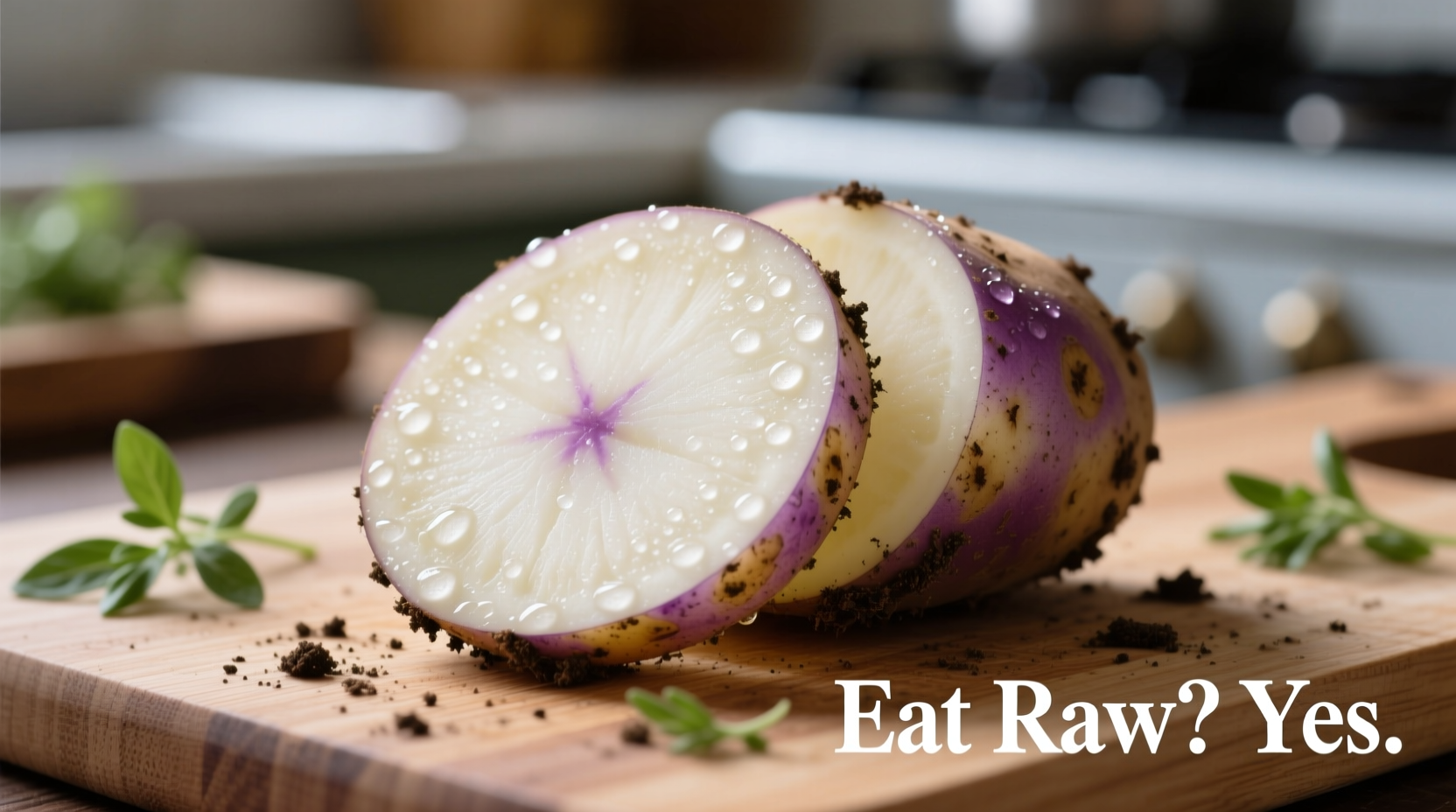
Why Raw Potatoes Pose Health Concerns
When considering whether to eat raw potatoes, understanding the science behind potential risks is crucial. Raw potatoes naturally contain glycoalkaloids—primarily solanine and chaconine—which serve as the plant's defense mechanism against pests and pathogens. These compounds concentrate in the skin and just beneath it, becoming especially potent in green or sprouted areas where exposure to light has triggered increased production.
The U.S. Food and Drug Administration (FDA) considers glycoalkaloid levels above 200 mg/kg unsafe for consumption. While most commercially available potatoes contain 20-100 mg/kg, damaged, green, or sprouted potatoes can exceed dangerous thresholds. Consuming high levels can cause symptoms ranging from nausea and vomiting to more severe neurological effects in extreme cases.
| Characteristic | Raw Potatoes | Cooked Potatoes |
|---|---|---|
| Glycoalkaloid Content | Higher (20-100 mg/kg, up to 1000+ in green areas) | Reduced by 40-60% with proper cooking |
| Digestibility | Poor (resistant starch causes bloating) | Improved (starch gelatinization) |
| Nutrient Availability | Lower (vitamin C partially preserved) | Higher (some nutrients become more bioavailable) |
| Common Culinary Uses | Rare (specific traditional preparations) | Versatile (global staple food) |
The Science Behind Potato Toxicity
Research published in the Journal of Agricultural and Food Chemistry demonstrates that cooking methods significantly impact glycoalkaloid levels. Boiling reduces solanine by approximately 40%, while frying can reduce it by up to 60% as the compounds leach into cooking oil. The National Institutes of Health (NIH) notes that proper storage—keeping potatoes in cool, dark places—prevents the light-induced glycoalkaloid production that creates those dangerous green patches.
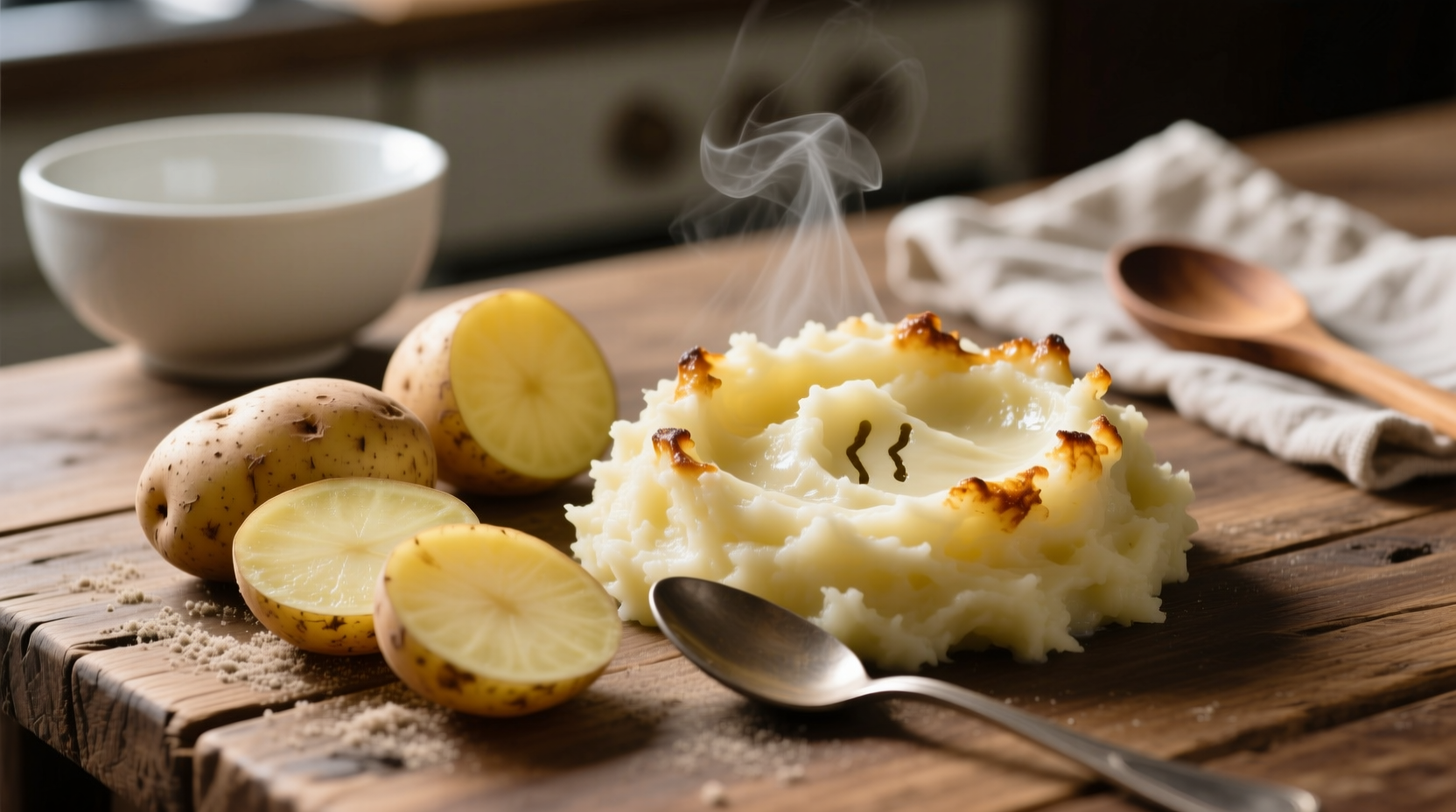
When Raw Potatoes Might Be Consumed Safely
Certain culinary traditions incorporate raw potatoes in specific preparations, but with important caveats. In Korean cuisine, gamja-jeon (potato pancakes) sometimes use finely grated raw potatoes, but the mixture is always cooked. Traditional Irish remedies occasionally used raw potato juice for digestive issues, but modern medical professionals advise against this practice due to inconsistent glycoalkaloid levels.
The context boundaries for potentially safe raw potato consumption include:
- Using only firm, non-green, non-sprouted potatoes
- Peeling thoroughly to remove skin where glycoalkaloids concentrate
- Consuming only small quantities infrequently
- Avoiding raw potatoes entirely if pregnant, immunocompromised, or serving to children
Nutritional Considerations: Raw vs. Cooked
While raw potatoes retain more vitamin C (which breaks down with heat), they also contain protease inhibitors that interfere with protein digestion and lectins that can cause gastrointestinal distress. Cooked potatoes offer better nutrient availability for most vitamins and minerals, with the exception of vitamin C.
Interestingly, raw potatoes contain resistant starch that acts as a prebiotic, feeding beneficial gut bacteria. However, cooling cooked potatoes creates retrograded resistant starch with similar benefits but without the glycoalkaloid risks. This scientific nuance explains why nutritionists generally recommend cooked-and-cooled potatoes over raw ones for gut health benefits.
Practical Recommendations for Safe Potato Consumption
Based on current food safety guidelines from the USDA and FDA, here's what you should do:
- Always store potatoes in a cool, dark place to prevent glycoalkaloid formation
- Discard any potatoes with significant greening, sprouting, or damage
- Peel potatoes thoroughly before consumption, especially if considering raw preparations
- Cook potatoes using methods that reduce glycoalkaloids (boiling, baking, frying)
- Consider cooling cooked potatoes to increase resistant starch content safely
For those interested in maximizing potato nutrition while minimizing risks, registered dietitians recommend incorporating both freshly cooked potatoes (for immediate nutrient availability) and cooled cooked potatoes (for resistant starch benefits) into a balanced diet, while avoiding raw potatoes as a regular practice.
Frequently Asked Questions
Can eating raw potatoes make you sick?
Yes, consuming raw potatoes, especially green or sprouted ones, can cause nausea, vomiting, diarrhea, and abdominal pain due to glycoalkaloids. While small amounts typically won't harm healthy adults, regular consumption increases risk of digestive issues and potential toxicity.
Are there any potatoes safe to eat raw?
All potato varieties contain glycoalkaloids, though levels vary. New potatoes generally have lower concentrations, but no potato is completely safe to eat raw regularly. Even with firm, non-green potatoes, peeling thoroughly and consuming only small amounts occasionally is the safest approach if you choose to eat them raw.
What are the symptoms of potato glycoalkaloid poisoning?
Mild symptoms include nausea, vomiting, stomach cramps, and diarrhea. More severe cases can cause headache, dizziness, fever, confusion, and in rare instances, neurological symptoms. Symptoms typically appear 8-12 hours after consumption but can occur as soon as 10 minutes after eating high-glycoalkaloid potatoes.
Does cooking destroy all harmful compounds in potatoes?
Cooking significantly reduces but doesn't eliminate glycoalkaloids. Boiling removes about 40% as compounds leach into water, while frying can reduce levels by up to 60%. However, cooking destroys protease inhibitors and reduces lectins, making potatoes more digestible. Proper cooking combined with good storage practices provides the safest consumption method.
Can raw potato juice be beneficial for health?
Despite traditional claims about raw potato juice helping with ulcers or inflammation, medical professionals generally discourage its consumption due to inconsistent glycoalkaloid levels and potential toxicity. Any potential benefits are outweighed by the risks, especially since safer alternatives exist for digestive health support.




 浙公网安备
33010002000092号
浙公网安备
33010002000092号 浙B2-20120091-4