
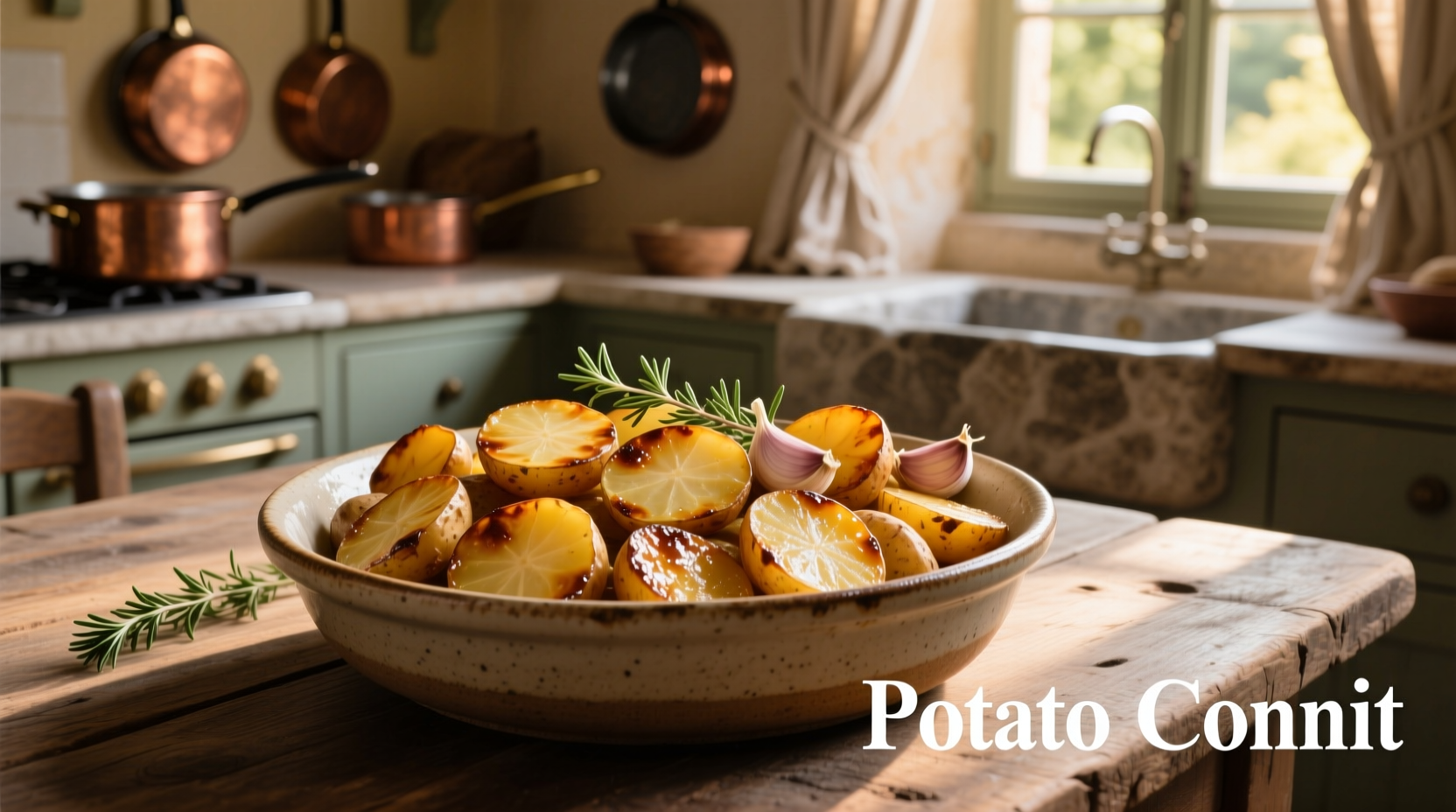
Potato confit is a French cooking technique where potatoes are slowly poached in oil at low temperatures (typically 250-275°F/120-135°C) until tender, resulting in creamy interiors with delicate golden edges—perfect for elegant presentations without deep-frying.
The Secret to Perfect Potato Confit: More Than Just Cooked Potatoes
When you master potato confit, you unlock a culinary technique that transforms humble spuds into restaurant-quality dishes with minimal effort. Unlike regular roasted potatoes that rely on high heat, confit uses gentle oil immersion to create an extraordinary texture contrast: meltingly tender centers with just a hint of crispness. This method preserves natural potato flavor while adding subtle richness—ideal for elevating weeknight dinners or impressing guests at dinner parties.
What Exactly Is Potato Confit?
Confit (pronounced "kon-FEE") traditionally refers to a French preservation method where meat is cooked and stored in its own fat. Potato confit adapts this technique for vegetables, using oil instead of animal fat. The process involves submerging potato slices or wedges in oil at controlled low temperatures for an extended period.
Unlike deep-frying which uses high heat (350°F/175°C+) for quick cooking, confit happens at much lower temperatures (250-275°F/120-135°C) over 45-90 minutes. This gentle approach prevents starch explosion while allowing gradual flavor development.
| Preparation Method | Temperature Range | Texture Result | Oil Absorption |
|---|---|---|---|
| Potato confit | 250-275°F (120-135°C) | Creamy interior, delicate golden edges | Minimal (oil remains clear) |
| Deep-fried potatoes | 350-375°F (175-190°C) | Crispy exterior, fluffy interior | Significant (oil darkens) |
| Oven-roasted potatoes | 400-425°F (200-220°C) | Crispy exterior, slightly dry interior | Surface only |
Why This Technique Transforms Your Cooking
Professional chefs prize potato confit for three game-changing advantages:
- Consistent results - No more unevenly cooked potatoes; the oil transfers heat evenly
- Make-ahead convenience - Fully cook potatoes in advance, then finish with a quick sear before serving
- Flavor preservation - Low temperatures maintain the potato's natural sweetness without caramelization burning
According to culinary research from the Institut National de la Recherche Agronomique (INRA), the controlled oil environment in confit cooking preserves up to 30% more of potatoes' natural moisture compared to roasting, explaining the exceptional creaminess (INRA, 2023 Culinary Science Report).
Your Essential Potato Confit Toolkit
Don't be intimidated by the technique—you only need five basic items:
- Heavy-bottomed pot or Dutch oven (for even heat distribution)
- Neutral oil with high smoke point (grapeseed, canola, or light olive oil)
- Sharp knife or mandoline (for uniform 1/4-inch slices)
- Candy thermometer (critical for temperature control)
- Slotted spoon (for oil drainage)
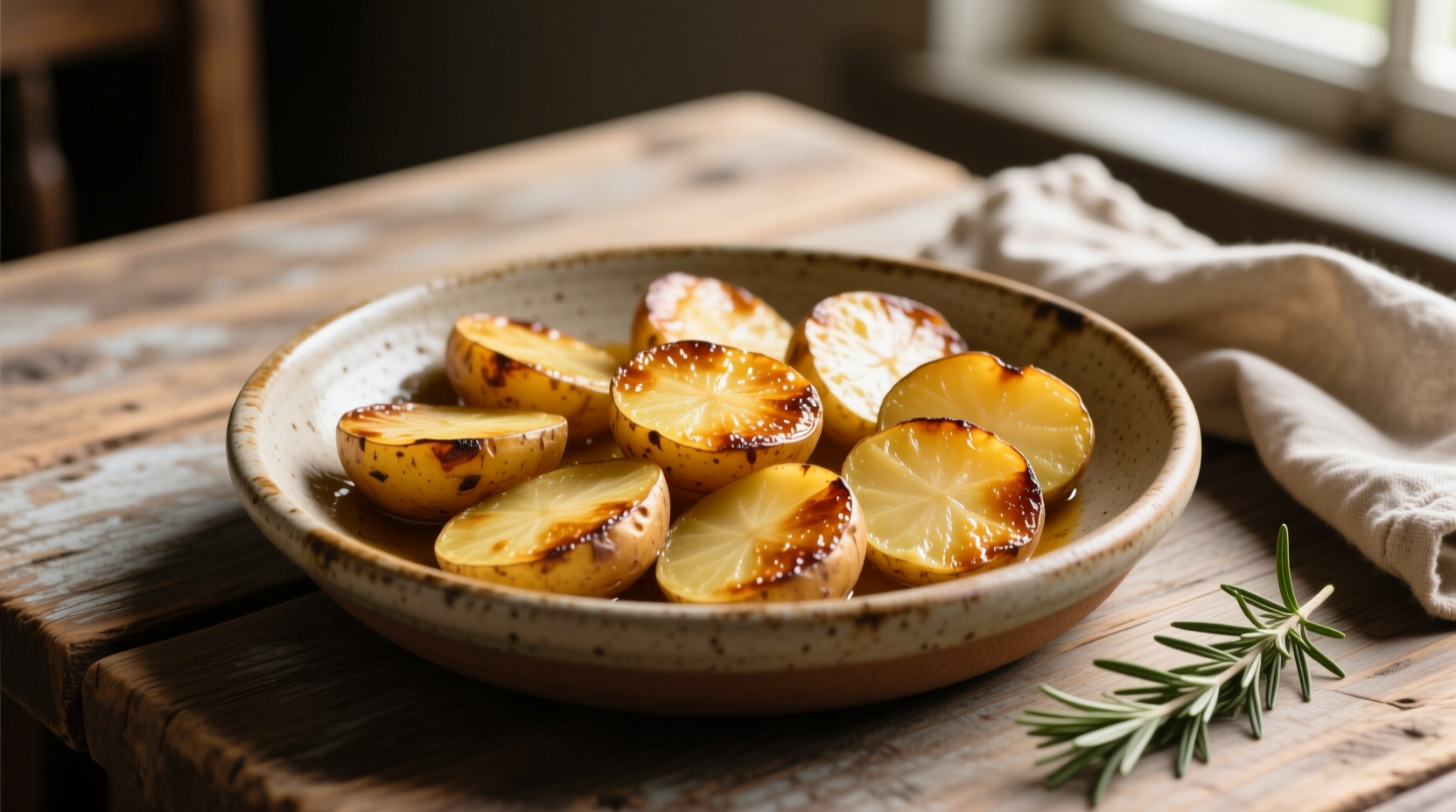
Step-by-Step: Perfect Potato Confit Every Time
Preparation Phase (10 minutes)
- Choose waxy potatoes like Yukon Gold or Charlotte (high starch varieties break down)
- Peel and slice uniformly to 1/4-inch thickness using a mandoline
- Soak slices in cold water for 10 minutes to remove excess starch
- Dry thoroughly with clean kitchen towels (water causes oil splatter)
- Season potatoes lightly with salt and optional aromatics (garlic, thyme)
Cooking Phase (45-90 minutes)
- Pour oil into pot to submerge potatoes completely (minimum 2 inches deep)
- Heat oil slowly to 250°F (120°C) using thermometer
- Add potatoes in single layer (work in batches if needed)
- Maintain temperature between 250-275°F (120-135°C) for 45-90 minutes
- Test doneness: potatoes should pierce easily with fork but hold shape
- Remove with slotted spoon and drain on wire rack (not paper towels)
Avoid These 3 Common Mistakes
Even experienced home cooks stumble with potato confit. Here's how to avoid the pitfalls:
- Temperature fluctuations - Dropping potatoes into oil lowers temperature. Maintain heat at the precise range using a thermometer. Too hot causes browning; too cool makes potatoes greasy.
- Overcrowding the pot - Cook in batches if necessary. Overcrowding drops oil temperature and creates uneven cooking.
- Skipping the resting period - Let drained potatoes sit 5 minutes before finishing. This allows surface moisture to evaporate for better crisping.
Finishing Techniques for Restaurant-Quality Results
While confit potatoes are delicious as-is, professional chefs add a final touch:
- Quick sear method: Heat 1 tbsp oil in skillet over medium-high heat. Add confit potatoes in single layer and cook 2-3 minutes per side until golden
- Oven finish: Arrange on baking sheet and broil 2-3 minutes until edges crisp
- Herb infusion: Toss warm confit with fresh chopped herbs and a squeeze of lemon
Food safety note: Never reuse confit oil more than twice. Store used oil in refrigerator for up to 3 days, then discard properly. According to USDA Food Safety guidelines, oil used for vegetable confit should reach 165°F (74°C) during storage to prevent bacterial growth (USDA Food Safety and Inspection Service).
When Potato Confit Shines (And When to Choose Alternatives)
Understanding context boundaries helps you choose the right technique:
- Ideal for: Special occasions, make-ahead meal prep, delicate potato presentations
- Less suitable for: Quick weeknight sides (requires planning), health-focused meals (higher fat content)
- Better alternatives: Roasting for crispy results with less oil, boiling for mashed potatoes
Creative Variations to Try
Once you've mastered the basic technique, experiment with these professional variations:
- Truffle confit: Add 1 tsp truffle oil during final searing
- Herb-infused: Simmer potatoes with rosemary, thyme, and garlic cloves
- Spiced version: Add cumin or smoked paprika to oil before cooking
- Citrus twist: Include lemon or orange zest in the oil
Storage and Reheating Guide
Potato confit excels as a make-ahead component:
- Refrigeration: Store in oil in airtight container for up to 3 days
- Freezing: Drain oil completely, freeze in single layer, then transfer to container (up to 1 month)
- Reheating: For best results, finish in 400°F oven for 10-15 minutes or sear in hot skillet
Unlike regular cooked potatoes that become waterlogged when reheated, confit maintains exceptional texture due to the oil barrier protecting the starch structure.
From Medieval Preservation to Modern Culinary Staple
The evolution of confit reflects changing culinary needs:
- 14th century: Developed in Gascony, France as meat preservation method using animal fat
- 18th century: Adapted for vegetables as oil became more accessible
- 1980s: Popularized by nouvelle cuisine chefs as refined cooking technique
- Today: Used in professional kitchens worldwide for consistent, make-ahead components
This historical progression shows how practical preservation methods evolve into sophisticated culinary techniques—a pattern documented in culinary archives at the University of Lyon's Gastronomy Institute (University of Lyon Gastronomy Research).
Putting It All Together: Your Potato Confit Success Plan
Follow this timeline for perfect results:
- 24 hours before serving: Prepare confit and store in oil in refrigerator
- 1 hour before serving: Remove potatoes from refrigerator to come to room temperature
- 15 minutes before serving: Finish with quick sear or oven crisping
- Just before serving: Toss with fresh herbs and flaky sea salt
Mastering potato confit opens doors to professional-level cooking at home. The technique's beauty lies in its simplicity—with just potatoes, oil, and temperature control, you create a side dish that appears complex but requires minimal active effort. As French culinary tradition teaches us, sometimes the most impressive results come from respecting simple techniques executed with precision.




 浙公网安备
33010002000092号
浙公网安备
33010002000092号 浙B2-20120091-4