
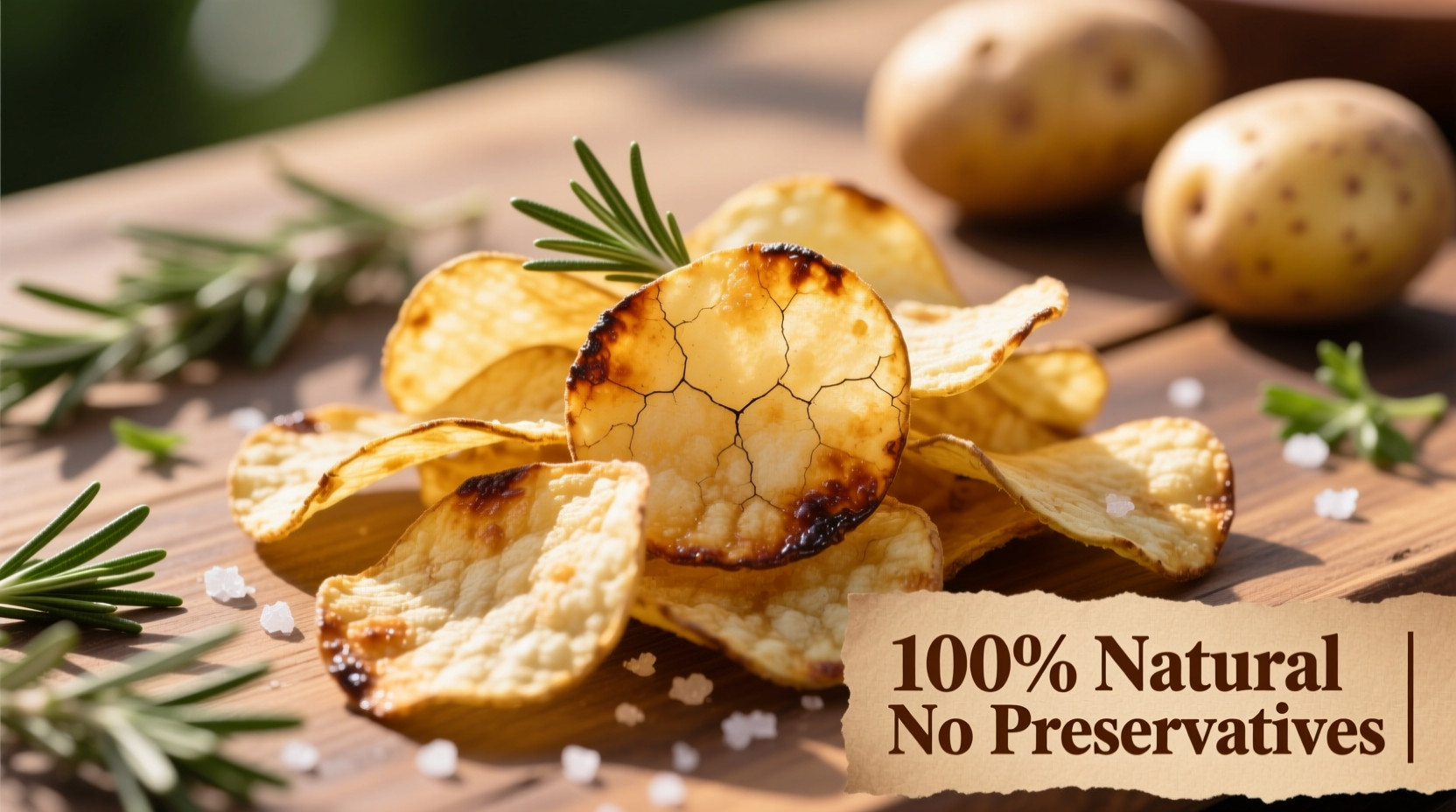
Craving that satisfying crunch but worried about unhealthy fats and empty calories? You're not alone. Millions of snack lovers wonder if they can enjoy potato chips without compromising their health goals. The good news is that truly healthier potato chip options exist when you know what to look for in terms of ingredients, preparation methods, and portion control.
What Makes Potato Chips "Healthy"?
The term "healthy" can be misleading when applied to potato chips. Rather than claiming any chip is perfectly healthy, nutrition experts emphasize "healthier" options that offer improved nutritional profiles compared to traditional varieties. According to the USDA Dietary Guidelines, the key differences come down to three factors:
- Fat quality and quantity - Healthier options use minimal amounts of heart-healthy oils like olive or avocado oil instead of hydrogenated vegetable oils
- Processing level - Minimal processing preserves more nutrients and avoids artificial additives
- Ingredient transparency - Simple ingredient lists with recognizable components
Healthier Potato Chip Options Compared
Not all "better-for-you" chips deliver on their promises. This comparison shows how different preparation methods affect nutritional value per one-ounce serving:
| Type of Chip | Calories | Fat (g) | Sodium (mg) | Fiber (g) | Added Sugar |
|---|---|---|---|---|---|
| Traditional fried | 150-160 | 10 | 170 | 1 | 0 |
| Baked potato chips | 130-140 | 5-6 | 140 | 2 | 0 |
| Vegetable chips (kale, beet) | 120-130 | 5 | 100-150 | 3-4 | Natural only |
| Homemade oven-baked | 110-120 | 3-4 | 80-100 | 2 | 0 |
Data source: USDA FoodData Central, 2023 analysis of popular commercial and homemade preparations
The Evolution of Health-Conscious Chip Making
Potato chip production has evolved significantly from the deep-fried originals. Understanding this timeline helps identify genuinely healthier options:
- 1853-1950s: Traditional deep-fried preparation with animal fats or early vegetable oils
- 1960s-1990s: Introduction of partially hydrogenated oils leading to trans fats concerns
- 2000s: Removal of trans fats but continued high saturated fat content
- 2010s-present: Rise of baked alternatives, vegetable-based chips, and single-ingredient preparations
When Healthier Chips Still Aren't Appropriate
Even the healthiest potato chips have limitations. Registered dietitians emphasize these context boundaries:
- For individuals managing diabetes, even "healthier" chips contain significant carbohydrates that affect blood sugar
- Those with kidney issues need to monitor potassium content, which remains high in all potato-based products
- People on sodium-restricted diets should still treat even low-sodium options as occasional treats
- "Health halo" effect often leads to overconsumption - a 2022 American Journal of Clinical Nutrition study found people ate 25% more of snacks labeled "healthy"
How to Make Truly Healthier Chips at Home
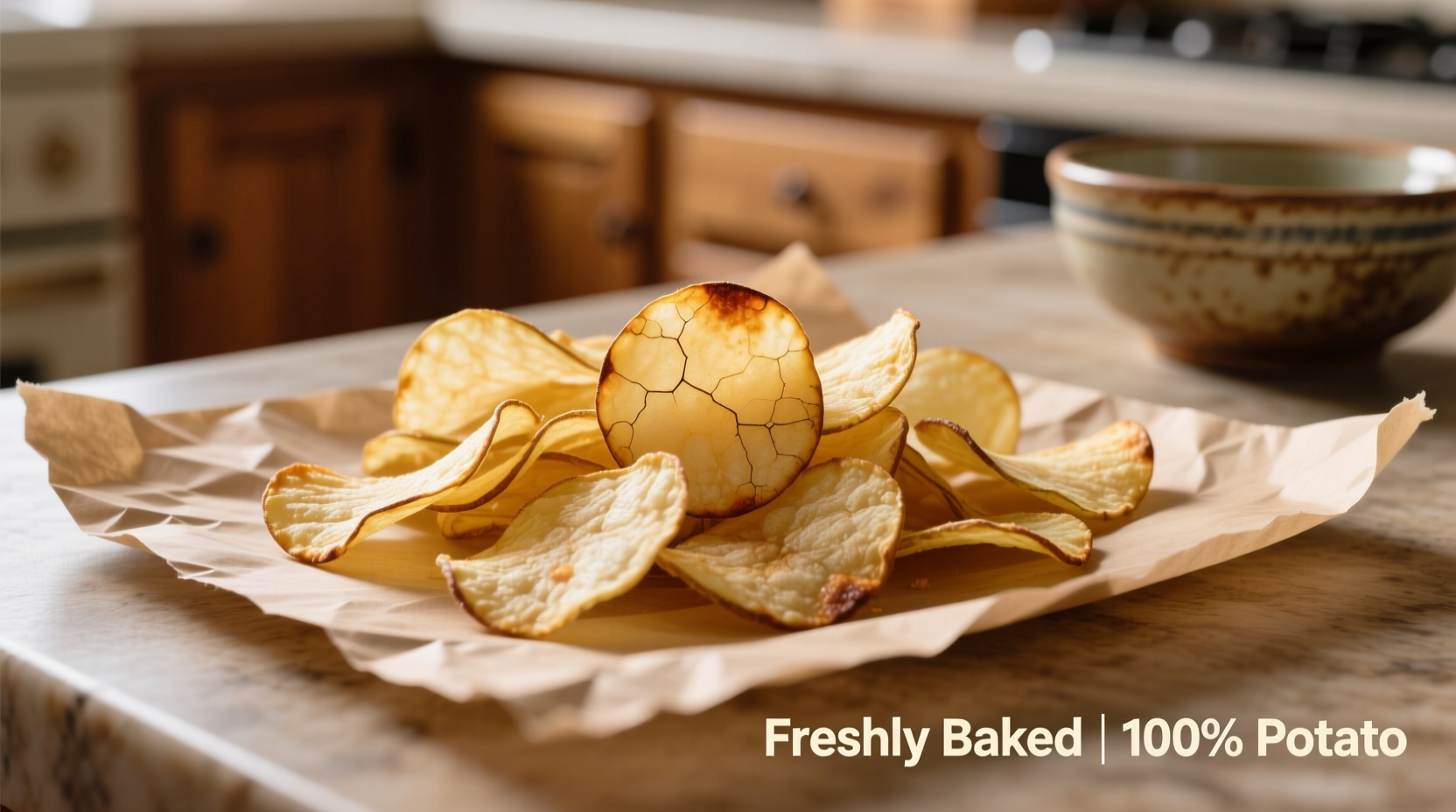
Creating your own healthier potato chips gives you complete control over ingredients and preparation. Professional chefs recommend this simple method:
- Choose high-starch potatoes like russets or Yukon Golds for best results
- Use a mandoline slicer to create uniform 1/16-inch slices
- Rinse slices in cold water to remove excess starch
- Pat completely dry with paper towels
- Toss with 1 teaspoon of extra-virgin olive oil per potato
- Season with herbs instead of salt (try rosemary, thyme, or smoked paprika)
- Bake at 375°F on parchment paper until crisp (about 15-20 minutes)
What to Look for When Buying Store-Bought Options
Reading labels carefully is essential when shopping for healthier potato chips. Look for these specific markers:
- "Baked" rather than "fried" in the product description
- Short ingredient list (3-5 ingredients maximum)
- Olive oil, avocado oil, or coconut oil as the fat source
- No artificial flavors, colors, or preservatives
- Less than 150mg sodium per serving
- Fiber content of at least 2g per serving
Common Misconceptions About Healthy Potato Chips
Marketing claims can be confusing. Let's clarify some common misunderstandings:
- "Kettle-cooked" doesn't mean healthier - These often contain more fat than regular chips due to the cooking method
- "Multigrain" chips aren't necessarily better - They may still be deep-fried and high in sodium
- Veggie chips aren't automatically healthy - Many are mostly potato starch with minimal actual vegetables
- "Light" or "reduced fat" often means added sugars or artificial ingredients - Always check the full nutrition label
Practical Tips for Enjoying Chips Mindfully
Nutrition science shows that restriction often leads to overindulgence. Instead, try these practical strategies:
- Measure portions instead of eating from the bag
- Pair chips with protein (like hummus) to increase satiety
- Choose chips with at least 2g of fiber to help with fullness
- Save chips for planned snacks rather than mindless eating
- Consider if you're actually hungry or just bored before reaching for chips




 浙公网安备
33010002000092号
浙公网安备
33010002000092号 浙B2-20120091-4