
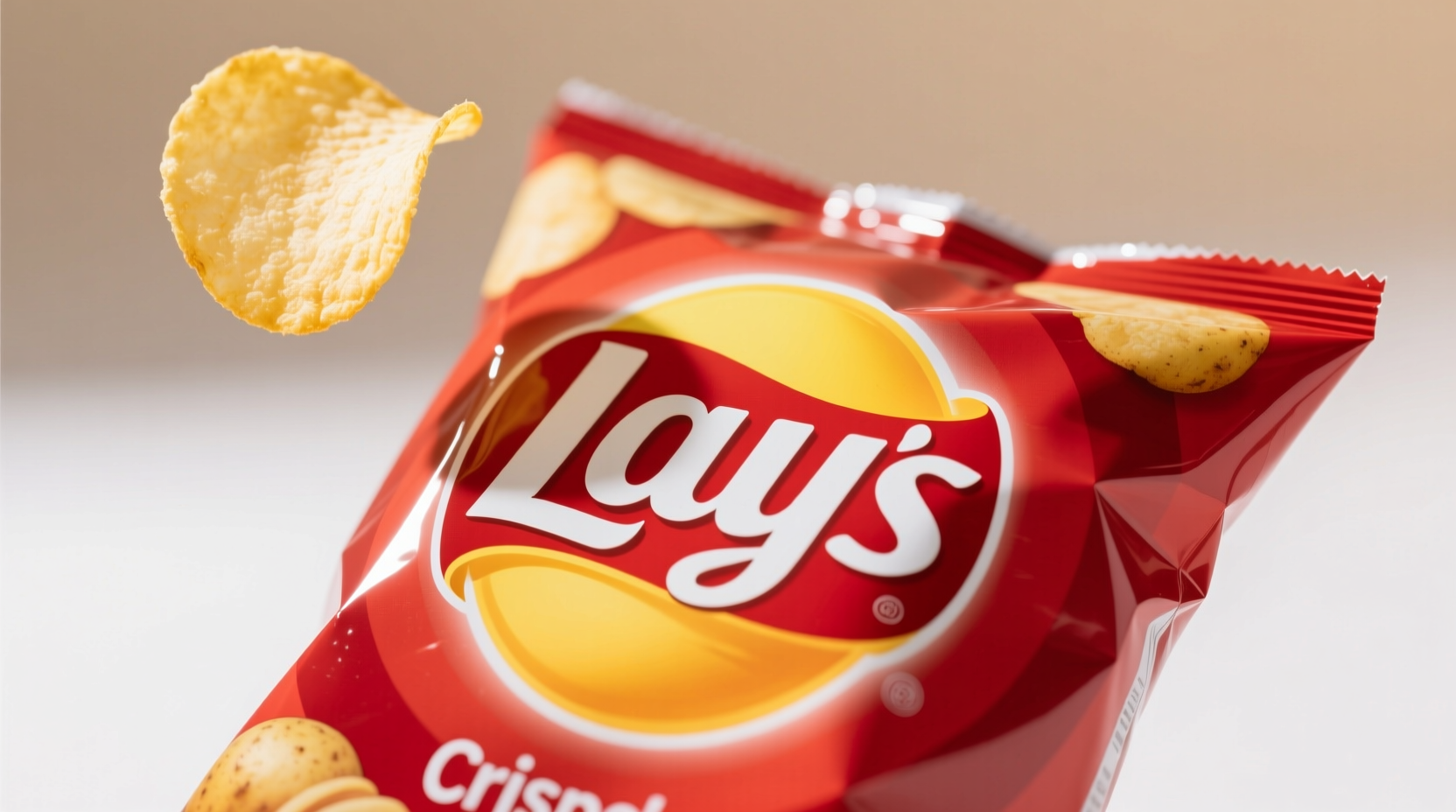
The Evolution of America's Favorite Potato Chip
When Herman W. Lay began selling potato chips door-to-door in 1932, he couldn't have imagined his humble snack would become a global phenomenon. Today, Lay's potato chips dominate the snack food market across more than 200 countries, with regional variations that reflect local taste preferences while maintaining the core production principles established decades ago.
From Farm to Bag: The Lay's Production Process
Understanding how Lay's potato chips are made reveals why they maintain consistent quality worldwide. The process begins with specially selected potato varieties like Russet Burbank, which have the ideal starch content and low sugar levels for optimal frying.
Key Milestones in Lay's History
- 1932 - Herman W. Lay starts selling potato chips in Nashville, Tennessee
- 1944 - Lay's becomes the first nationally distributed potato chip brand in the US
- 1961 - Frito Company merges with H.W. Lay & Company to form Frito-Lay
- 1991 - PepsiCo acquires Frito-Lay, expanding global distribution
- 2000s - Introduction of baked and reduced-fat varieties
- 2010s - Expansion of global flavor portfolio with region-specific offerings
What Sets Lay's Apart From Other Potato Chips
The distinctive texture and flavor profile of Lay's potato chips comes from precise manufacturing controls. Unlike many competitors who use dehydrated potato flakes, Lay's primarily uses fresh potatoes that are washed, peeled, sliced to 0.05-inch thickness, and fried in sunflower or corn oil at carefully controlled temperatures.
| Flavor Variety | Calories (per 1 oz) | Key Flavor Components | Global Availability |
|---|---|---|---|
| Classic Original | 150 | Potato, sunflower oil, salt | Worldwide |
| Sour Cream & Onion | 160 | Buttermilk, onion, garlic powder | North America, Europe |
| Barbecue | 150 | Tomato, smoke flavor, paprika | Worldwide (regional variations) |
| French Onion | 150 | Caramelized onion, yeast extract | Europe, Asia |
| Masala | 160 | Chili, cumin, coriander | India, Southeast Asia |
According to the U.S. Food and Drug Administration, standard Lay's potato chips contain approximately 10g of fat per serving, with less than 1g being saturated fat. The ingredient list typically includes potatoes, vegetable oil (sunflower, corn, and/or canola oil), and salt, with additional seasonings varying by flavor.
Nutritional Profile and Consumption Context
While Lay's potato chips are enjoyed by millions, understanding their place in a balanced diet is essential. A standard 1-ounce serving (about 15 chips) provides:
- 150-160 calories
- 10g total fat (1g saturated)
- 15g carbohydrates
- 1g protein
- 170mg sodium
The Dietary Guidelines for Americans recommend limiting consumption of foods high in solid fats and added sugars. Potato chips fall into the category of discretionary calories that should be consumed in moderation as part of an overall balanced eating pattern.

Global Flavor Adaptation Strategy
Lay's remarkable global success stems from its "think global, act local" approach to flavor development. While maintaining consistent production standards, the brand creates region-specific varieties that resonate with local palates:
- United States: Classic, Sour Cream & Onion, Barbecue
- United Kingdom: Ready Salted, Cheese & Onion, Prawn Cocktail
- India: Magic Masala, Indian Classic
- China: Cucumber, Kung Pao Chicken
- Mexico: Adobada, Limón
This localization strategy has proven highly effective. According to market research from Nielsen, Lay's maintains over 35% market share in the global potato chip category, with particularly strong performance in emerging markets where localized flavors drive consumer preference.
Practical Consumption Tips
For those who enjoy Lay's potato chips as an occasional snack, consider these practical approaches:
- Measure portions instead of eating directly from the bag
- Pair with protein or fiber-rich foods to increase satiety
- Choose baked varieties for reduced fat content (though flavor differs)
- Consider homemade alternatives using oven-baked potato slices
- Store opened bags properly to maintain freshness without adding preservatives
Understanding Ingredient Choices
The ingredient list on Lay's potato chips has evolved to meet changing consumer preferences. Recent modifications include:
- Removal of artificial preservatives like BHT in many markets
- Transition to non-GMO ingredients where feasible
- Introduction of sunflower and canola oils to replace partially hydrogenated oils
- Development of reduced-sodium varieties for health-conscious consumers
These changes reflect broader industry trends toward cleaner labels while maintaining the taste and texture consumers expect from their favorite potato chips.




 浙公网安备
33010002000092号
浙公网安备
33010002000092号 浙B2-20120091-4